U.S. Firms Navigate Transshipment Allegations Amid Trade Tensions
By Editor • August 23, 2026 • 2 min read
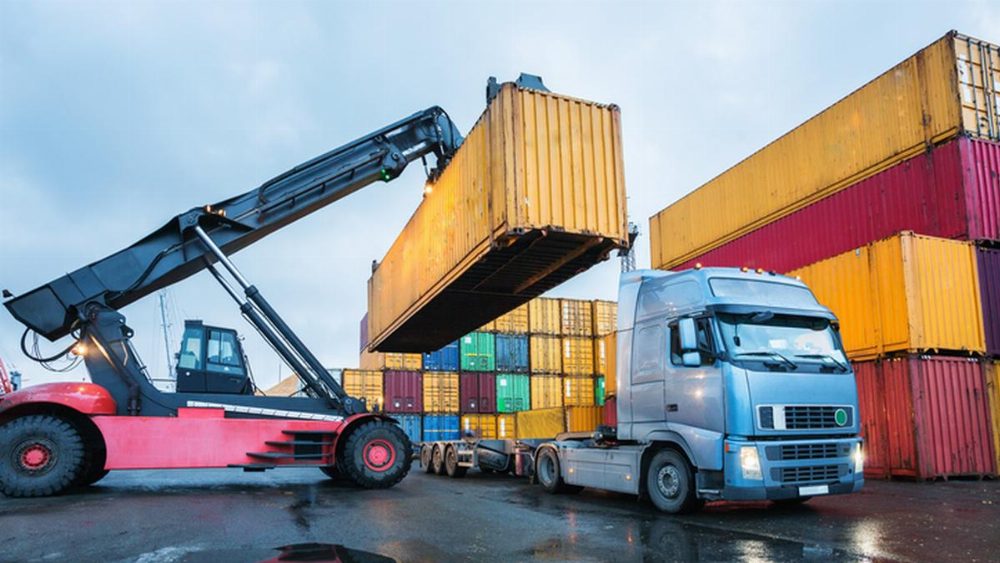
A recent White House report has ignited discussions over the alleged "Great Transshipment Scam," focusing on the production belt spanning Pune, Gujarat, and Chennai in India. This report, released in August 2026, claims that these regions serve primarily as staging grounds for Chinese goods destined for the U.S., rather than genuine manufacturing hubs.
The report highlights how Chinese exporters are purportedly exploiting India to bypass the high tariffs imposed during the Trump administration. Goods like pumps and compressors, which are categorized under HS Codes 8413 and 8414, can enter the U.S. with a significantly lower tariff rate of 10%, compared to the 25-35% tariffs on similar products from China. This tariff differential has allegedly contributed to a decline in pump manufacturing in cities like Cincinnati, Dayton, and Columbus, which the report describes as being replaced by the Indian cities.
Despite these claims, industry insiders suggest that the narrative of a transshipment scam may not reflect the reality of U.S. multinational corporations' sourcing strategies. Many of these companies maintain global production centers and are publicly traded on the New York Stock Exchange, leveraging cost efficiencies and advanced technologies to stay competitive. For instance, an American pump manufacturer recently imported components from Singapore to manufacture products in India, showcasing a legitimate use of the country’s Advance Authorisation scheme for duty-free imports.
According to statistics, a majority of pump imports to the U.S. come from Canada, with India contributing only about 2% of the total. The report also points out that a considerable portion of the Indian pump market consists of small and medium-sized enterprises (SMEs) that export to the U.S. However, these SMEs often rely on components sourced from China, leading to questions about the true value addition occurring in India.
The implications of the White House report extend beyond mere accusations, potentially subjecting Indian manufacturers to increased scrutiny and regulatory challenges from U.S. authorities. Ajay Srivastava from the Global Trade Research Initiative cautions that while the U.S. employs strict non-preferential origin rules, the complexities of these regulations can lead to significant compliance costs for genuine manufacturers.
One anonymous Indian pump exporter emphasized that their products are specifically designed to meet U.S. market standards, making it economically unfeasible to assemble them using components imported from China. This sentiment reflects a broader concern among manufacturers about the potential fallout from the report, which suggests that operations in India could be misconstrued as mere transshipment points.
In response to these allegations, the White House report proposes the introduction of an AI-based tool to scrutinize the origins and manufacturing processes of goods more closely. This tool aims to differentiate between legitimate manufacturing and mere relabeling, as it analyzes shipping data, product compositions, and even satellite imagery. The report posits that goods remaining in India for less than 90 days before re-exportation may not have undergone sufficient transformation to warrant their claimed origin.
Source: www.thehindu.com