U.S. Military Expands Operations in Latin America Amid Controversy
By Editor • August 17, 2026 • 3 min read
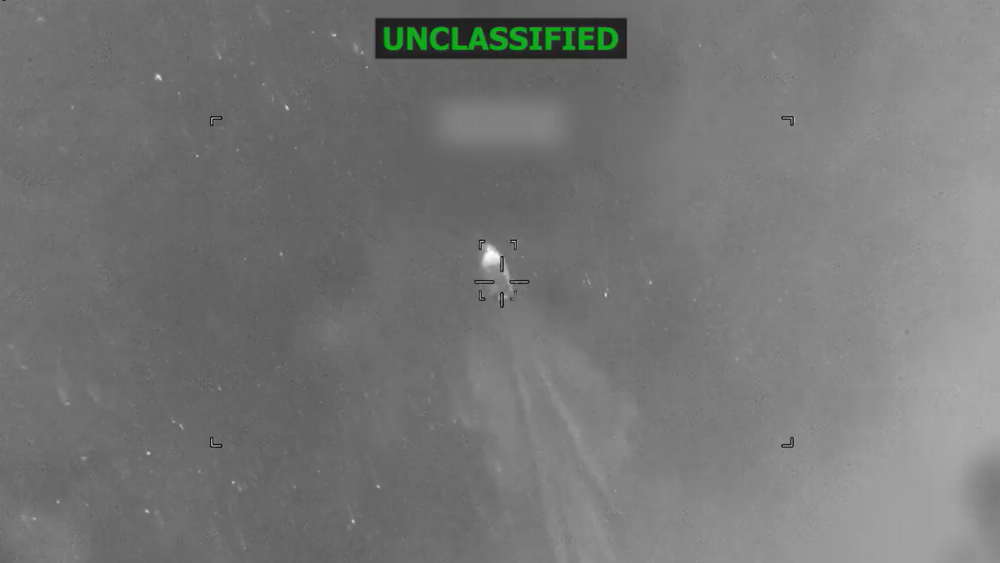
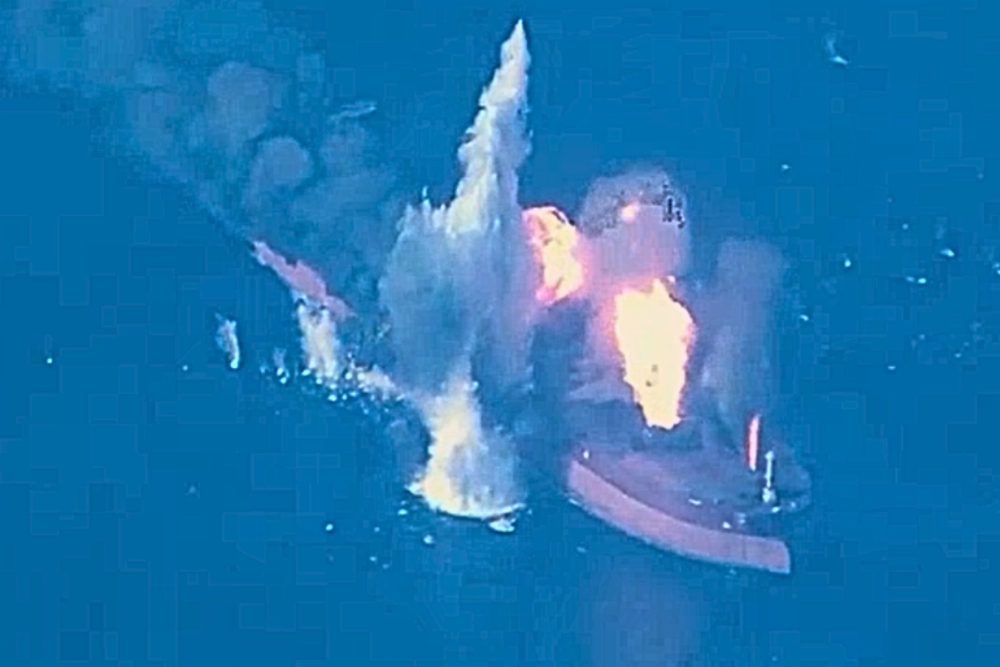
In a controversial escalation of its military strategy, the Trump administration is broadening its campaign against drug trafficking in Latin America, shifting from sea-based operations to land interventions. Following a year of lethal strikes that have resulted in over 200 deaths from more than 60 boat attacks in the Caribbean and eastern Pacific, U.S. forces are now set to establish ground presence in Colombia, Guatemala, and Honduras.
During a recent visit to Panama, Defense Secretary Pete Hegseth announced that agreements are in place for joint military operations with these nations to combat organized crime. While Colombia and Honduras appear to be on board, Guatemala has reportedly denied any such agreement, raising questions about the unity of these initiatives.
Hegseth described the land operations as mirroring the effects of previous airstrikes, stating, "We’re working with Ecuador. We’re working with Colombia. We’re working with partners to bring the fight to the designated terrorist organizations on land." This move signifies a significant shift in U.S. policy, aiming to reinforce what the administration terms “American dominance” in the region.
Critics, however, are sounding alarms about the implications of such military interventions. Michael Shifter from the Inter-American Dialogue warns that this strategy could lead to increased civilian casualties and a backlash against U.S. influence in Latin America. He characterized the U.S. approach as an exercise in projecting power rather than genuine cooperation, stating, "This is obviously a very asymmetrical relationship."
The U.S. has a lengthy history of military involvement in Latin America, often leaving a controversial legacy tied to support for coups and authoritarian regimes. Since Trump's return to office in January 2025, the administration has adopted its most aggressive stance in decades, designating 20 criminal organizations in the region as “foreign terrorist organizations” and engaging in direct military actions in Venezuela.
While Hegseth did not provide specific details on the upcoming joint operations, the potential for U.S. forces to target groups such as Colombia's National Liberation Army (ELN) has emerged, particularly after Colombia's new president, Abelardo de la Espriella, expressed a desire for greater U.S. military support following an ELN drone attack.
The case of Ecuador stands out, where U.S. military involvement has been more pronounced, despite a public rejection of foreign bases in a 2025 referendum. Critics point to incidents where alleged drug operations have had unintended consequences, such as an airstrike that mistakenly targeted a cattle farm.
While some governments welcome U.S. support in their struggles against crime, others, like Mexico, are hesitant to allow U.S. military presence on their soil. Progressive President Claudia Sheinbaum of Mexico has cooperated with Washington but has resisted calls for a direct military role against cartels.
Experts suggest that while the U.S. may seek to bolster security in the region, it must tread carefully. Adam Isacson from the Washington Office on Latin America warns that deeper military involvement could challenge the limits of sovereignty that even right-leaning governments can cede to the U.S. As leaders in Latin America grapple with the balance of security and sovereignty, there is concern that military strategies may lead to unintended consequences, including the adaptation of criminal groups and increased civilian peril.
Source: www.thehindu.com
#drug trafficking #foreign policy #Latin America #Trump administration #U.S. military