Wheat Prices Surge Amid Ongoing Conflict and Climate Challenges
By Editor • August 31, 2026 • 3 min read
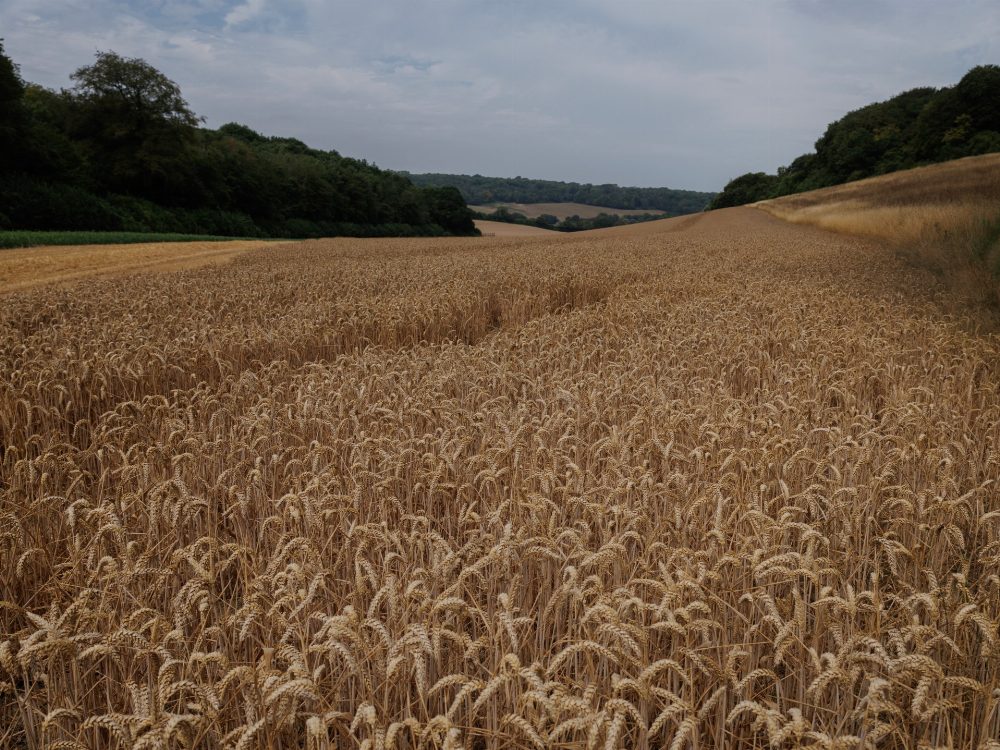
Wheat prices are experiencing significant increases due to ongoing disruptions in the Black Sea region tied to the Russia-Ukraine conflict, paired with adverse weather conditions that are impacting crop yields. The latest reports indicate that Chicago wheat futures reached a three-year peak recently, settling at $7.79 per bushel, as concerns mount over global grain supplies.
The escalation in military actions has directly affected grain terminals in the Black Sea, with heightened attacks from both Russia and Ukraine. These hostilities have led to a state of emergency in Russia’s Rostov region, where port closures have created backlogs of agricultural products. With Ukraine being a top grain producer and Russia the leading exporter, the conflict's ripple effects are felt globally.
In the last month, Ukraine reported a staggering 124 attacks on its vessels and port facilities, a significant increase compared to previous years. Kyiv's agricultural minister stated that around 90 percent of food logistics for retailers have been obliterated by recent airstrikes, further complicating the transportation of wheat and driving up prices amidst fears of food insecurity worldwide.
Experts suggest that the current crisis is less about the availability of wheat and more about the costs associated with getting it to markets. Joe Glauber from the International Food Policy Research Institute emphasized that there is plenty of wheat in both Russia and Ukraine, but the ongoing conflict has made transport prohibitively expensive, leading to inflated market prices.
The impact of climate change is compounding these issues. Droughts in key wheat-producing regions, including South Africa’s Swartland, which contributes 20 percent of the nation’s wheat, threaten to diminish yields. The USDA forecasts a decline in U.S. wheat production, with yields expected to be the lowest since 2015 due to adverse weather and reduced planted areas.
In addition to the war, Europe has faced heatwaves that have adversely affected crop yields, with predictions suggesting a decrease of around 9 million tonnes in grain production across the EU. The El Nino weather pattern is further anticipated to create drier conditions in the Southern Hemisphere, posing additional risks for countries like South Africa and Australia.
Since the collapse of the Black Sea Grain Initiative in July 2023, which previously allowed safe exports of Ukrainian grain, the situation has become even more precarious. While some alternative shipping routes exist, they are costly and not as efficient, leading to calls for a revival of the initiative to stabilize the market.
Countries like Egypt, the largest wheat importer, and Indonesia, which sources a substantial portion of its wheat from the conflict region, are now looking to diversify their imports to mitigate the impact of the crisis. Reports indicate that Indonesia may turn to suppliers in Bulgaria, Australia, Romania, and Argentina to fulfill its wheat needs.
As the world grapples with rising wheat prices, experts remain cautious about the future, noting that a shift in strategies by both Russia and Ukraine could be necessary to alleviate the pressure on global food prices. The resilience shown in the wheat market during the 2022 price surge may again be tested as challenges continue to mount.
Source: www.aljazeera.com
#climate change #global food security #grain supply #Russia-Ukraine conflict #wheat prices