Yabloko Faces Political Turmoil as Supreme Court Excludes It from Duma Elections
By Editor • August 20, 2026 • 3 min read
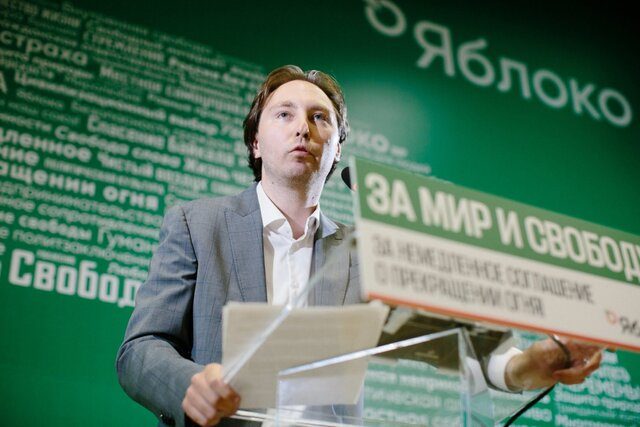
The political landscape in Russia is witnessing unprecedented upheaval as the Supreme Court has ruled to exclude the antiwar party Yabloko from the upcoming September Duma elections. Despite this setback, the party's grassroots support has surged, reflecting a growing discontent among the youth who are eager for change.
Kirill Goncharov, head of Yabloko’s Moscow branch, shared insights into the party's current situation during an interview, which was delayed as he attended a hearing for a young detainee, Artem Kuznetsov, who received a 14-day jail sentence. Goncharov expressed concern over the wave of detentions following protests, stating, "We’re responsible for him even though we’ve never met." He described the atmosphere surrounding the hearings as a significant moment, hinting at a possible "tectonic shift" in public sentiment, even as the campaign continues.
Amid the turmoil, Yabloko has been actively providing legal assistance to those detained, hiring lawyers and mobilizing support networks. Goncharov detailed their efforts, saying they have assisted 10 to 12 individuals who faced charges, often without just cause. He noted that many were detained not just during the protests but also tracked down at home, further illustrating the state’s crackdown on dissent.
The energy and determination of the youth who rallied to support Yabloko on August 10 and 17 were palpable. Goncharov remarked on the stark generational shift, noting that many of these young supporters are experiencing political repression for the first time. "They understand it’s a huge injustice. A lot of them lose heart. Many cried outside the court," he recalled, highlighting the emotional toll of these events.
Despite the setback of being barred from the election, there is a sense of optimism within the party. Goncharov reported that in the two weeks following the court's decision, 8,000 new applications to join Yabloko have been submitted. This influx reflects a burgeoning desire among citizens, particularly the younger demographic, for political engagement and representation.
Goncharov expressed his disappointment at the authorities' attempts to silence Yabloko, emphasizing that the decision to exclude them from the ballot effectively disenfranchises thousands of voters. He stated, "We’re confident we would have won several million votes from people who chose to stay in Russia." The exclusion from the elections, he argues, represents a broader suppression of civic life and self-expression in the country.
As political tensions escalate, Goncharov remains wary of the future, labeling the situation a "civil and humanitarian catastrophe". He cautioned that while the authorities may feel they have achieved a victory, it is ultimately counterproductive to exclude an entire generation from the political process. He lamented, "No one knows what it will turn into in a year, or two, or three — but it certainly won’t be anything good."
In discussing the court's ruling, he noted that the legal arguments presented by Yabloko were strong and well-supported, suggesting that the exclusion was politically motivated rather than based on legal merits. The party’s chairman, Nikolai Rybakov, was present in court as the ruling was handed down, representing the somber mood of Yabloko's leadership amidst the turmoil.
Despite the challenges ahead, Goncharov's focus on human rights advocacy alongside political mobilization indicates that Yabloko is committed to standing against oppression, even in the face of overwhelming odds. The party's resilience and the growing interest from young people signal a potential shift in the political dialogue of Russia.
Source: meduza.io
#Duma elections #Kirill Goncharov #political repression #Russia #Yabloko #youth activism