Young Innovators in South Africa Forge a New Path for Hemp Industry
By Editor • August 26, 2026 • 3 min read
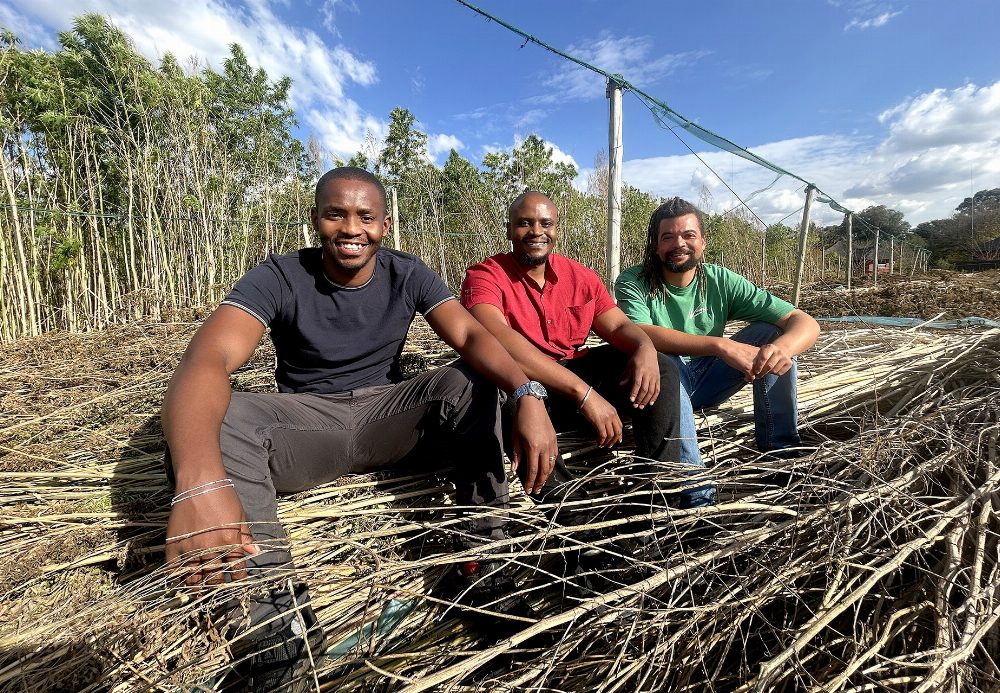
In a remarkable endeavor, a South African startup named Green Route is transforming the landscape of hemp production and textile manufacturing. Located just south of Johannesburg, this ambitious venture aims to leverage the versatility of hemp, a crop that has long been overshadowed by stigma, to create sustainable jobs and stimulate local economies.
Set against the backdrop of Walkerville, Green Route is a beacon of hope in an industry that has faced decades of regulatory challenges. Since the decriminalization of cannabis in South Africa in 2018, attitudes towards this multifaceted plant have begun to shift, albeit slowly. Mahlatse Mohlala, founder and director of Green Route, is at the forefront of this movement, driven by a vision of revitalizing the local textile industry while promoting ecological sustainability.
“Hemp is the Swiss Army knife of plants,” Mohlala asserts, emphasizing its incredible potential beyond just textiles. The plant can produce everything from building materials to nutritious food sources, making it an invaluable asset for both the economy and the environment. By introducing hemp into South Africa’s textile sector, Mohlala aims to bolster local mills that have struggled against cheap imports and the adverse effects of the COVID-19 pandemic.
Working alongside agriculturist Chad Ferlito, Mohlala has observed the beneficial ecological impact of their hemp farming practices. “I’ve seen grey loeries, I’ve seen cranes,” Ferlito notes, highlighting the resurgence of wildlife in areas that previously lacked biodiversity. Their farming methods eschew pesticides and fertilizers, focusing instead on nurturing a natural ecosystem.
Green Route's journey began at Stellenbosch University, where Mohlala recognized the sustainable potential of hemp fibers in textiles. Alongside his business partners, Muofhe Kwinda and Lehlohonolo Maisela, Mohlala set out to demonstrate the industrial capabilities of hemp to the South African public, shifting perceptions from its recreational use to its broader, more beneficial applications.
The company’s ultimate goal is to establish a vertically integrated system, collaborating with local farmers to produce a diverse range of textile products. However, they face significant challenges, particularly in sourcing viable hemp seeds. Currently, South Africa relies heavily on imported seeds, primarily from China, a situation that limits local innovation and growth.
Fortunately, the Agricultural Research Council (ARC) has been developing a local hemp seed variety, which Green Route intends to cultivate. Mohlala emphasizes the importance of improving local genetics to ensure sustainability and independence from foreign seed sources. “We can’t rely on this Chinese genetic forever,” he states, underscoring the necessity of local adaptation and breeding.
As they navigate this emerging industry, Green Route is also committed to compliance and quality assurance, understanding that credibility is essential for gaining trust in the marketplace. The company has achieved accreditation from the Agricultural Sector Training Authority to bolster its reputation.
In under three years, Green Route has positioned itself as a model for South Africa’s potential entry into the global hemp market, tackling the challenges head-on and showcasing the plant's industrial benefits. Mohlala’s vision of a vibrant hemp industry is not just about textiles; it’s about fostering a new ecosystem of jobs, sustainability, and economic vitality in South Africa.
Source: www.dailymaverick.co.za