AI Takes a Front Seat in Personal Finance Apps, Bridging a £300bn Gap
By Editor • September 1, 2026 • 2 min read
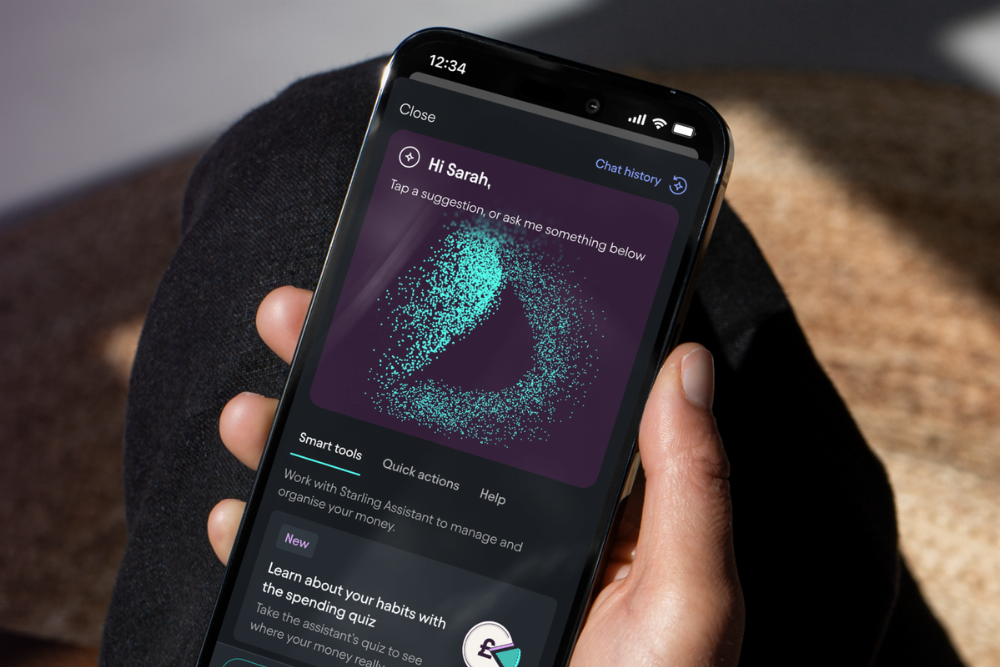
The integration of artificial intelligence into personal finance management is transforming how users interact with their banking apps, offering tailored solutions to a long-standing financial advice gap. According to recent research by Uswitch, while many consumers are benefiting from AI tools, caution is advised, as a quarter of users have suffered financial losses from third-party AI advice.
In response to growing demand, British digital bank Starling has introduced innovative ‘smart tools’ in its app, allowing users to interact with AI through simple prompts. Bernadette Smith, Starling's chief banking officer, highlighted a particularly popular feature dubbed ‘weekend damage,’ which helps users assess their weekend spending and adjust their budgets accordingly.
Interestingly, the uptake of these smart tools has revealed a surprising demographic trend. Initially, Starling expected tech-savvy users to dominate, yet it turns out that newer customers or those less familiar with AI have embraced the technology enthusiastically. This shift indicates the potential for AI to democratize financial guidance across a broader audience.
Other banks are also making strides in this AI-driven landscape. Zopa has redesigned its app to include a voice-activated AI assistant for tasks like fund transfers, while NatWest's Cora offers straightforward assistance with account inquiries. Metro Bank enhances its app with AI-powered spending insights, and Plum’s Gemini-driven tool aids users in tracking their financial goals. Chip is also working on personalized guidance for wealth growth, emphasizing the customizability of AI in financial management.
The use of AI is prevalent, especially among younger generations. A report from bunq revealed that 60% of Millennials have utilized AI for financial decision-making, with a significant portion reporting savings of over £500 through AI-led guidance. Joe Wilson from bunq observed that younger users often seek broader financial education through AI, contrasting with older generations who focus more on optimizing existing financial resources.
Trust in AI tools is also notable, with Scottish Widows reporting that nearly 30% of individuals trust AI for retirement savings advice. However, the need for human reassurance remains, particularly for significant financial decisions. Maria Herrero-Bullich, chief customer officer at Scottish Widows, emphasized the necessity of blending AI with human expertise to foster confidence in financial choices.
Looking ahead, the future of AI in finance applications appears promising. Nejc Korosec, head of public policy at Moneyhub, acknowledged the vast financial resources tied up in low-interest accounts, describing it as a data and education challenge. Enhanced data infrastructure, he argues, will empower AI to facilitate better financial understanding among users. However, he cautioned that missteps in this journey could exacerbate existing issues rather than resolve them.
Source: www.independent.co.uk