Art Meets Reality: A Unique Cycling Experience Highlights NYC's Housing Crisis
By Editor • September 1, 2026 • 3 min read
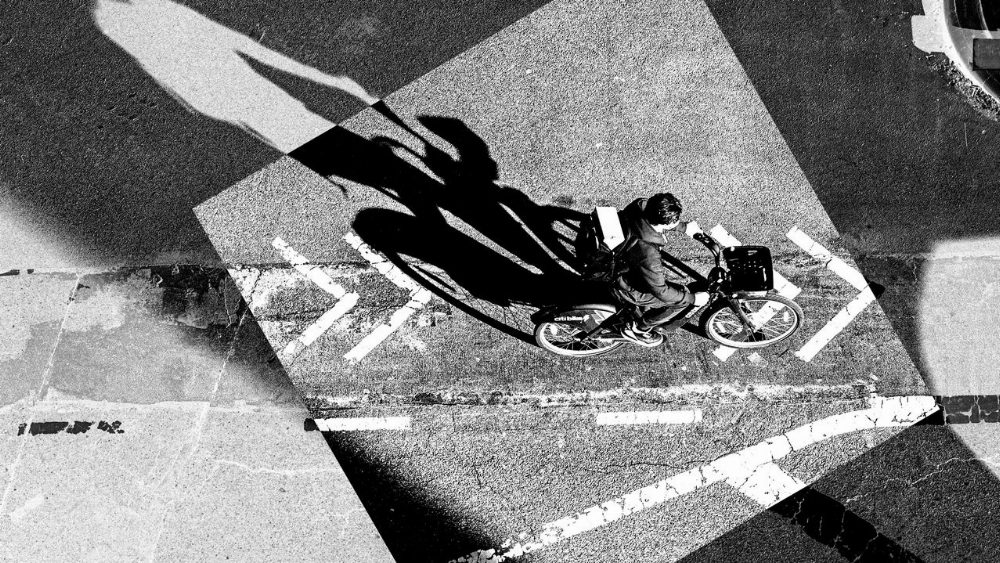
On a bright August day, an artist and researcher named Justin Blinder transformed a routine bike ride around Prospect Park into a vivid commentary on New York City’s housing affordability crisis. Attaching a special device to his e-bike, he experienced the stark contrasts in rent costs as he pedaled through various neighborhoods.
The device, known as Ground Truth, alters the bike's braking resistance based on the affordability of the area, creating a tangible sense of the financial pressures faced by residents. Developed as part of an exhibition that concluded earlier this month, Ground Truth is Blinder's innovative response to the acute disparity in living conditions across the city.
The conception of Ground Truth stemmed from Blinder's own experiences as a food delivery cyclist who witnessed the extreme economic divides within close quarters. He recalls the jarring differences he encountered: "You can be in one block where people are significantly less rent-burdened and go to another where it’s totally a different story,” he says. This device aims to make those disparities not just visible, but also felt.
Ground Truth was made possible by a $10,000 grant from Idle Hands, an art incubation program founded by Linden Renz and Gabrielle Sirkin. The funding allowed Blinder to create a device that utilizes U.S. Census Bureau data to provide an interactive experience as riders navigate through neighborhoods marked by varying levels of rent burden. A resident facing rent burden spends 30% or more of their income on housing, a reality that often dictates their quality of life.
Blinder's previous works also sought to translate data into visceral experiences. During the early COVID-19 pandemic, he developed a malware program that would slow his computer's processing speed in accordance with local infection rates, forcing him to confront the reality behind the statistics every day. He explains, "All of these people have family members. There’s a story behind them.”
As riders traverse bike lanes within different neighborhoods, the device creates a physical manifestation of the economic strain tied to housing costs. Interestingly, while riding through areas with New York City Housing Authority properties, the expected resistance was notably absent. Blinder attributes this to effective policies that help mitigate the financial burden for residents there, showcasing how local governance can impact affordability.
Ground Truth also sparks discussions about the relationship between bike lanes and gentrification. In 2025, Brooklyn was recognized as the best large city for biking, yet it faced backlash concerning the removal of protected bike lanes in Bedford-Stuyvesant due to resident complaints regarding cyclist safety. Blinder’s research highlights how infrastructure development can lead to the displacement of lower-income residents, as studies reveal that improved amenities like bike lanes often accompany rising rents.
Blinder aims to shift the perception of neighborhoods that are often seen merely as transit routes rather than vibrant communities. He argues that while bike lanes facilitate movement through these areas, they can also disconnect the very communities they traverse. "A lot of times the bike lanes are a conduit for people to move through the neighborhood and not invest in it," he explains.
Through Ground Truth, Blinder hopes to provoke dialogue about the complexities of affordability and encourage riders to engage more deeply with the spaces they travel through. By embedding the realities of economic disparity into a physical experience, he invites a reconsideration of what affordability truly means in the context of urban living.
Source: www.fastcompany.com
#affordability crisis #art #cycling #Ground Truth #Justin Blinder #New York City