Botswana’s Wildlife Conservation: A Model for Regional Cooperation
By Editor • September 1, 2026 • 2 min read
Botswana's innovative approach to wildlife conservation serves as a crucial example for neighboring South Africa and beyond. By integrating the military into anti-poaching efforts and prioritizing community involvement, Botswana has forged a strategic framework that balances national security with environmental stewardship.
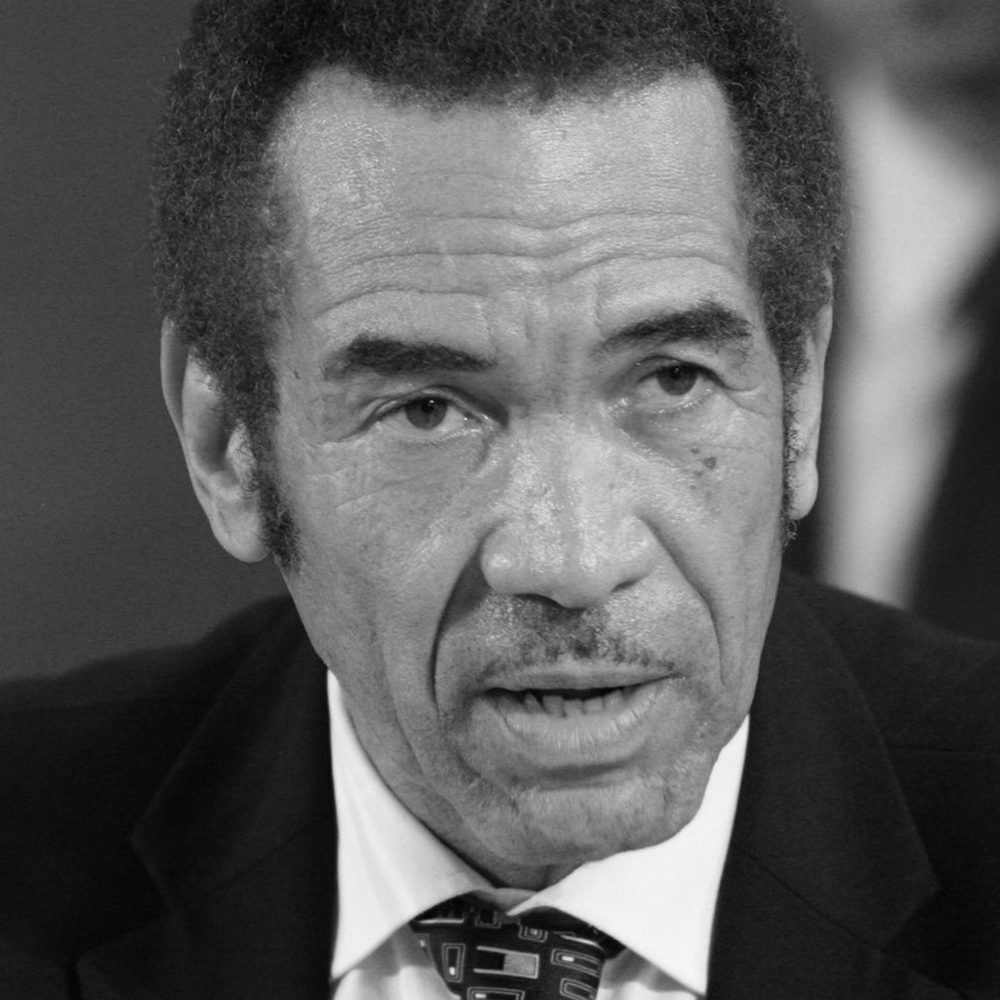
Former President of Botswana, who began his conservation journey in the Botswana Defence Force (BDF), emphasizes that wildlife protection is not just a duty but a matter of national heritage. During his tenure as BDF commander, he noticed the alarming rise of organized poaching, which posed threats not only to wildlife but also to national security. This realization led to the deployment of BDF personnel in anti-poaching operations, aimed at bolstering conventional law enforcement in remote areas.
Upon taking office, he maintained that wildlife conservation was paramount, arguing that it is a legacy for future generations. His administration took the bold step of suspending hunting across all species, a move that sparked significant debate. This hunting ban was established in response to concerns over sustainable wildlife management and aimed to ensure that communities living alongside wildlife could coexist without suffering severe repercussions.
The former president highlighted the importance of addressing human-wildlife conflicts, recognizing that local communities often bear the brunt of living near wildlife. He contended that while hunting is sometimes presented as a means to generate revenue and increase tolerance towards wildlife, it often fails to provide practical benefits. Instead, he advocates for developing policies that truly support communities facing the challenges of wildlife interactions.
The reintroduction of rhinos to Botswana symbolizes more than just restoring a species; it embodies a broader vision for conservation. The former president noted that successful wildlife conservation requires long-term commitment, transcending political cycles. He acknowledged that the military should not be the sole answer to poaching, advocating for strong wildlife authorities, law enforcement, and international collaboration to combat transnational wildlife crime.
As he reflected on his time in the BDF and as president, he reiterated Botswana's unique duty to protect its natural heritage. He emphasized that the decisions made regarding wildlife conservation, though sometimes controversial, were grounded in the long-term national interest. He believes that Botswana's wildlife is not merely an economic asset but a vital part of the nation's identity.
Looking forward, he stresses that the responsibility of wildlife conservation extends beyond Botswana to encompass the entire southern African region. He calls for a collective effort to safeguard both wildlife and the communities that coexist with it. By prioritizing scientific insight and community engagement, there is hope that future generations will experience Botswana's wildlife in its natural habitat rather than as a relic of the past.
Source: www.dailymaverick.co.za
#anti-poaching #Botswana #community involvement #rhino reintroduction #wildlife conservation