Chaos at the Pentagon: Hegseth's Leadership Under Fire
By Editor • September 1, 2026 • 2 min read
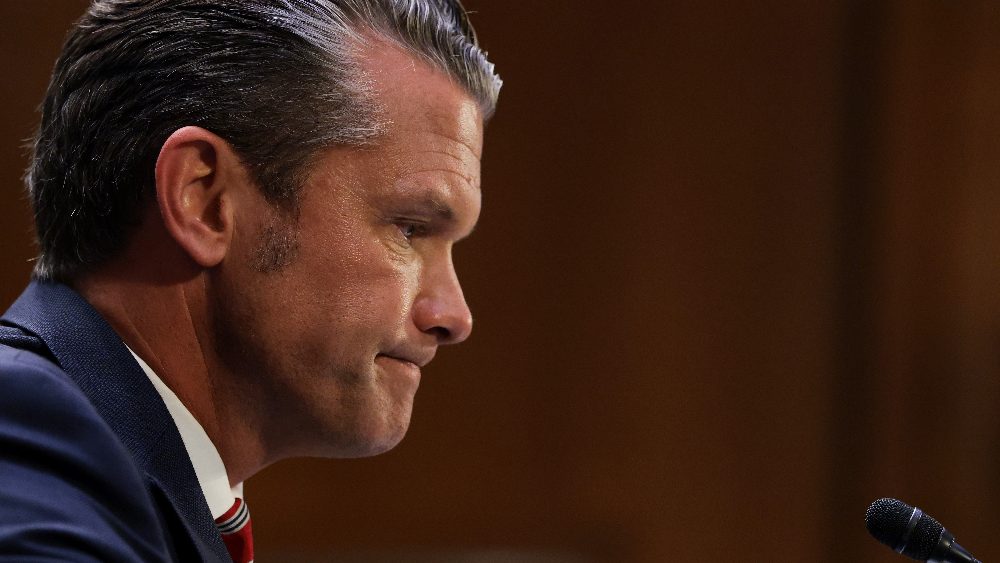
The Pentagon is facing turmoil under Secretary of Defense Pete Hegseth, who has been criticized for prioritizing personal loyalty over qualifications and national security. His controversial decisions continue to reverberate throughout the military hierarchy, leading to significant leadership changes that raise concerns about the readiness and effectiveness of U.S. forces.
In a recent shake-up, Army Secretary Dan Driscoll resigned following ongoing clashes with Hegseth, highlighting the secretary's tendency to remove personnel he deems insufficiently loyal. Driscoll had raised alarms about critical issues concerning Army transformation and readiness, particularly in light of Hegseth's actions that included dismissing senior generals responsible for these initiatives. Reports indicate that Driscoll took his concerns to the White House, where he found Hegseth's influence prevailing.
The repercussions of Hegseth's leadership extend far beyond personnel changes. His administration has been marked by a focus on political grievances at the expense of sound military strategy. Critics argue that he lacks the necessary background in defense affairs, instead fixating on cultural issues within the military. This has led to a significant void in experienced leadership, with the Army currently lacking a Senate-confirmed chief of staff or a secretary.
As the U.S. navigates complex international conflicts, Hegseth's approach poses a serious risk to national security. His apparent disregard for military doctrine and strategic planning has raised alarms among senior military officials. Notably, even as military leaders warn about the unsustainable nature of U.S. operations in Iran, Hegseth has dismissed these concerns, instead opting to attack the media for reporting on classified information.
Moreover, Hegseth's support for military action against Iran has been under scrutiny. He reportedly stood alone among senior officials in backing President Trump’s decision to escalate tensions with Iran, a move that has drawn criticism for its lack of strategic foresight. Experts argue that a responsible Secretary of Defense would have cautioned the president against such an aggressive course of action.
As Hegseth consolidates his grip on the Pentagon, concerns grow that the military is being reshaped into an organization that prioritizes loyalty to the Secretary over its core mission of defense. The potential appointment of Sean Parnell, a spokesperson with limited qualifications, as Driscoll's successor, underscores fears of further deterioration in leadership within the Department of Defense.
The ongoing chaos raises questions about U.S. military effectiveness as it grapples with threats from adversaries like Russia and China. Analysts warn that by focusing on internal loyalty rather than military readiness, Hegseth is jeopardizing America's strategic position in a rapidly changing global landscape.
As the Pentagon continues to navigate these challenges, the resilience of its professional military officers remains a beacon of hope. While Hegseth's tenure is marked by instability, the commitment of senior military leaders to uphold the integrity of the armed forces provides a counterbalance to the dysfunction at the top. However, the overarching concern remains: will Hegseth’s focus on personal loyalty ultimately undermine the mission of the U.S. military?
Source: www.theatlantic.com
#Dan Driscoll #military leadership #national security #Pentagon #Pete Hegseth