Civil Society: The Unseen Guardians of South Africa's Energy Future
By Editor • September 1, 2026 • 3 min read
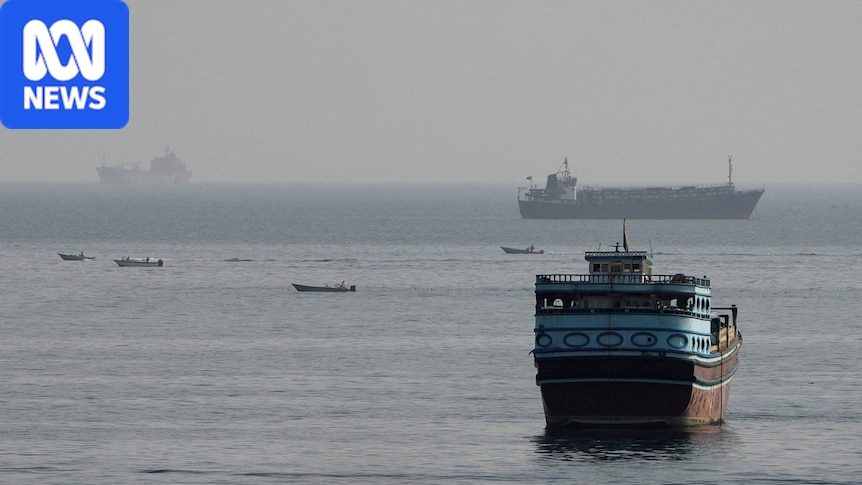
In the ongoing battle for South Africa's energy future, civil society is emerging as a crucial player, challenging powerful interests and advocating for sustainable alternatives. The recent ruling by the Constitutional Court, which blocked Shell and Impact Africa's exploration of the Wild Coast, underscores the vital role that communities and non-profits have in safeguarding public interests against potentially harmful energy projects.
As the country grapples with its energy needs, the focus is shifting beyond government regulations and climate frameworks. Legal actions initiated by civil groups have become a necessary check on projects that lack transparency and accountability. If not for these interventions, South Africa might have faced disastrous financial burdens and irreversible environmental impacts tied to fossil fuel dependency.
For instance, the history of the Zuma administration's secret nuclear deal highlights the stakes involved. An agreement to procure 9.6 GW of nuclear capacity, estimated at R1 trillion, was pursued without proper public oversight, prompting organizations like Earthlife Africa Johannesburg to take legal action. The court's verdict deemed the National Energy Regulator's approval procedurally unfair, emphasizing the need for public participation in energy planning.
More recently, the Constitutional Court’s decision against Shell resulted from the company's inadequate consultation with affected communities. Nine local communities contended that Shell's seismic survey threatened their constitutional rights to a healthy environment and cultural integrity. The court affirmed these concerns, stating that financial losses for Shell could not outweigh the constitutional rights of the people.
Despite South Africa's commitment to a Just Energy Transition away from fossil fuels, the reality is stark. With 95% of the coastline earmarked for fossil fuel exploration and a gas bill under parliamentary review, the push for renewables is often overshadowed by entrenched interests. The government's challenge to the Cancel Coal judgment, which mandates energy planning to prioritize future generations, only complicates matters further.
The energy sector's history is marred by corruption and mismanagement, with the Zondo Commission revealing that R14.7 billion in Eskom contracts were tainted by state capture. Such findings highlight the need for transparency in energy dealings, as opaque contracts have historically led to systemic issues rather than prosperity.
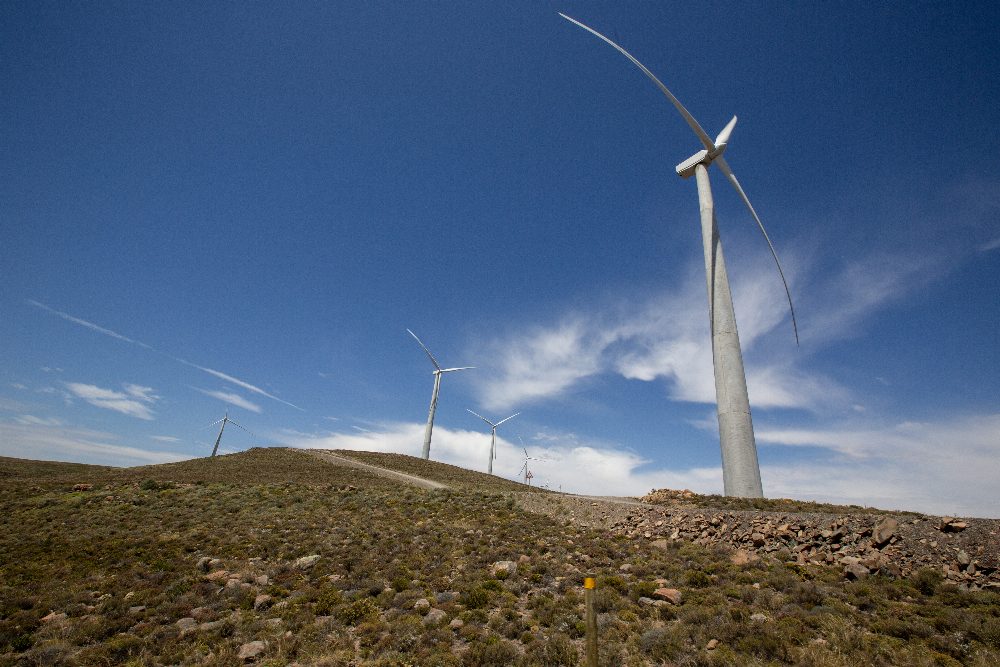
Nonetheless, the Council for Scientific and Industrial Research has found that renewable energy sources like wind and solar are significantly cheaper than Eskom's current electricity offerings. This underscores the potential of clean energy to provide economic resilience, steering the nation away from the volatility of fossil fuels.
Ultimately, the future of South Africa's energy landscape hinges on whether decisions are made lawfully and in the public interest, rather than driven by political agendas or the fossil fuel industry's short-term profits. Civil society's legal victories illustrate that accountability is not merely a hindrance to development; it is essential for a just and sustainable energy transition.
As the struggle continues against the fossil fuel lobby's influence, the resilience of communities and NGOs stands as a testament to the power of collective action. The Just Energy Transition is not solely about transitioning to renewables; it is also about ensuring that this shift is governed with integrity, foresight, and justice.
Source: www.dailymaverick.co.za
#civil society #energy transition #renewable energy #Shell #South Africa