Engineered Microbes: A Sustainable Solution for Crop Fertilization
By Editor • September 1, 2026 • 3 min read
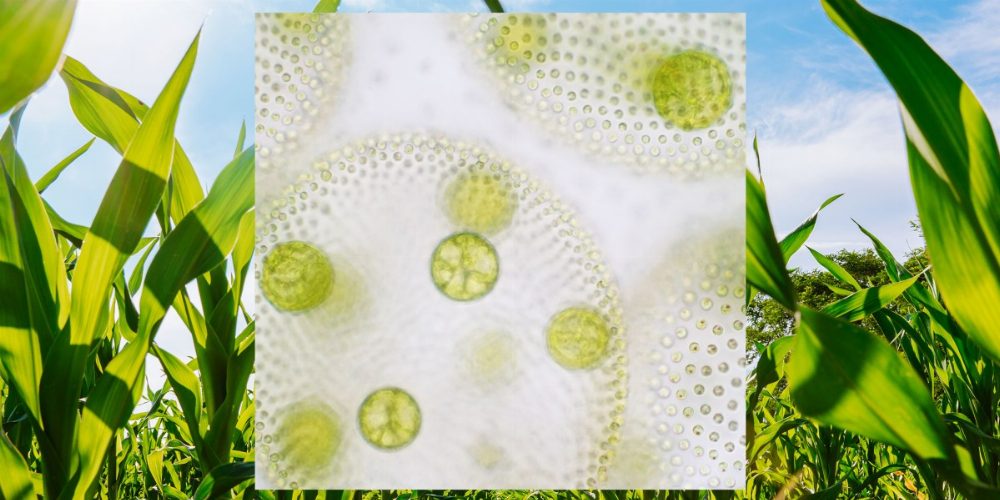
The quest to sustain global food supplies while reducing environmental impact has led to innovative approaches, with engineered microbes emerging as a promising alternative to traditional fertilizers. As the world grapples with rising fertilizer costs, especially amid recent geopolitical tensions, the potential of beneficial microbes to enhance crop growth is capturing attention.
Research indicates that inoculating soil with specific microbes can provide essential nitrogen, a key nutrient for plant development. This technique could significantly decrease reliance on chemical fertilizers, which are responsible for approximately 2% of worldwide greenhouse gas emissions. The economic implications for farmers are substantial, particularly as they face soaring costs for energy and fertilizer due to escalating global tensions.
Historically, biological fertilizers have been utilized for thousands of years, yet the challenge remains in engineering microbes that can efficiently fix nitrogen while maintaining their viability. A startup named Switch Bioworks is pioneering a novel method that allows microbes to thrive and form colonies before activating their nitrogen-fixing capabilities. Founder and CEO Tim Schnabel emphasizes the need to "reinvent fertilizer" to meet modern agricultural challenges.
Plants require fixed nitrogen, which is more reactive than the abundant nitrogen found in the atmosphere. While some plants, such as legumes, naturally form partnerships with nitrogen-fixing bacteria, synthetic fertilizers typically involve industrial processes like the Haber-Bosch method, which is energy-intensive. Switch Bioworks aims to introduce biological fertilizers that can reduce the need for synthetic inputs by leveraging naturally occurring microbial processes.
The crux of Switch’s strategy involves a genetic switch that triggers ammonia production in response to nitrogen levels in the soil. This innovation could allow microbes to thrive by conserving energy while still providing vital nutrients to crops. Current trials in six U.S. states, particularly focusing on corn—America's most-planted crop—aim to validate this hypothesis, with results expected later this year.
Experts point out that while initial lab results are encouraging, real-world application in the field is essential for proving efficacy. Dan Blaustein-Rejto from the Breakthrough Institute notes that understanding the gap between laboratory success and field performance is critical for gaining farmer trust.
Another contender in the microbial fertilizer space, Pivot Bio, has been making headway since its inception in 2011, with its products already in use across millions of acres. Pivot’s approach has evolved to enhance nitrogen fixation even in varying soil conditions, addressing the dual economic pressures farmers face today—rising fertilizer prices coupled with falling commodity prices.
Experts, including North Carolina State University’s John Havlin, are optimistic about the role of microbial fertilizers in reducing synthetic fertilizer dependence. However, they caution that there are limits to how much these biological solutions can replace traditional fertilizers. Estimates suggest that while microbial products could replace approximately 25-50% of synthetic fertilizers, complete replacement remains unlikely in the near future.
As the agricultural sector contemplates the future of fertilization, the collaboration between innovative startups and traditional farming practices could pave the way for more sustainable agricultural methods that benefit both farmers and the environment.
Source: www.technologyreview.com
#microbial fertilizers #nitrogen fixation #Pivot Bio #sustainable agriculture #Switch Bioworks