Escalating Tensions: Iran Vows Retaliation Following US Strikes on Civilian Targets
By Editor • September 2, 2026 • 2 min read
The conflict between the United States and Iran has intensified sharply after US airstrikes led to civilian casualties during a wedding celebration in Iran. In the southern coastal region of Hormozgan, explosions rocked areas including Bandar Abbas and Qeshm Island, killing five individuals, including a child, and injuring at least 68 others.
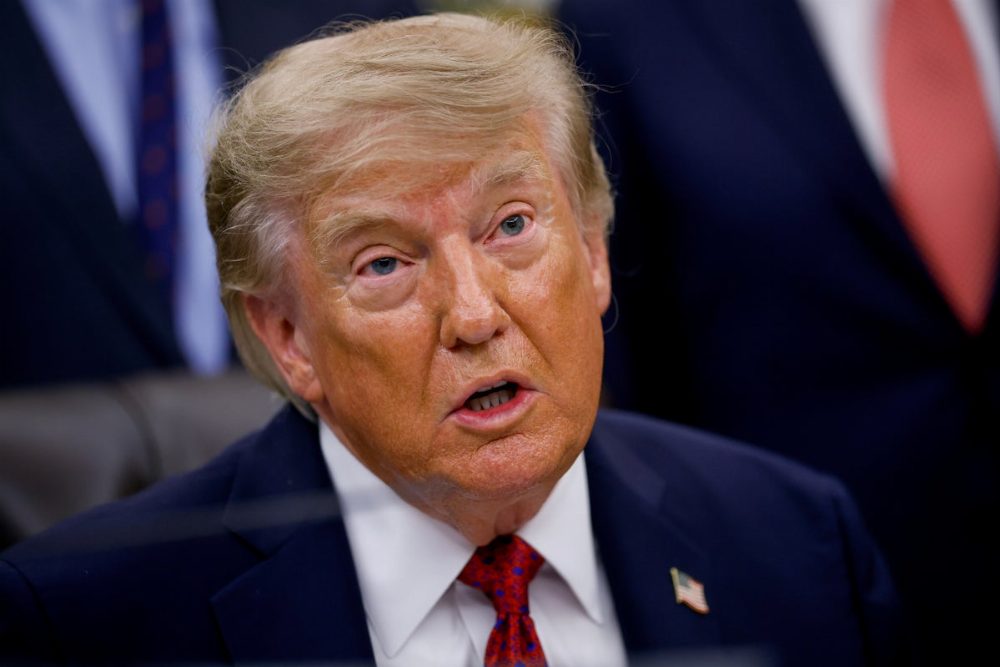
According to Iranian state media, the strikes also targeted civilian facilities, including an airport in Kerman province, which has prompted Iranian officials to vow severe retaliation. The strikes followed a declaration from former President Donald Trump seeking 'total control of the Hormuz Strait' and aiming to cripple Iran’s economy.
In response to the US actions, Iran launched ballistic missiles targeting a US military base near the Gulf of Aqaba. The Iranian military claimed it had struck US assets in several locations, including Kuwait and Bahrain, while the US Central Command (Centcom) reported being aware of the civilian casualties but maintained that its operations do not intentionally target civilians.
As tensions flared, the Iranian Red Crescent reported that the tragic events at the wedding near Sirik resulted in five fatalities and approximately 50 injuries. Among the deceased was a four-year-old child, as shrapnel from the US strike hit a location where families were celebrating.
Moreover, in a separate incident, a car crash in Mashhad, which resulted in the loss of four lives and over ten injuries, was described as a traffic accident with no immediate political implications, according to officials.
In the broader context, Iran's Islamic Revolutionary Guard Corps has claimed responsibility for retaliatory attacks against US installations throughout the region. Bahrain reported that its air defense systems intercepted several Iranian aerial attacks as tensions escalated in the aftermath of the US strikes.
These events have contributed to an uptick in oil prices, with Brent crude futures rising to $95.91 a barrel, reflecting market concerns over potential shipping disruptions through the strategically vital Strait of Hormuz. The rise in oil prices has been linked to fears of inflation, prompting a sell-off in major stock markets.
In a notable development, US military operations have shifted to a new 'tanker for tanker' strategy, which involves targeting Iranian tankers in response to their actions against shipping in the Strait. This marks the first instance of such an approach, as the US military struck two Iranian government tankers, hitting their engine rooms during the latest round of airstrikes.
On the maritime front, activity through the Bab el-Mandeb Strait, another crucial waterway, has been noted, with a significant reduction in vessel transits as shipping routes are becoming increasingly affected by the ongoing conflicts.
The situation remains volatile, with the potential for further escalations, as both nations navigate a complex and dangerous landscape marked by military confrontations and civilian suffering.
Source: www.independent.co.uk
#Iran #military strikes #oil prices #Strait of Hormuz #US #wedding