Oura Rings Up IPO Amidst Rising Smart Ring Rivals
By Editor • September 5, 2026 • 2 min read
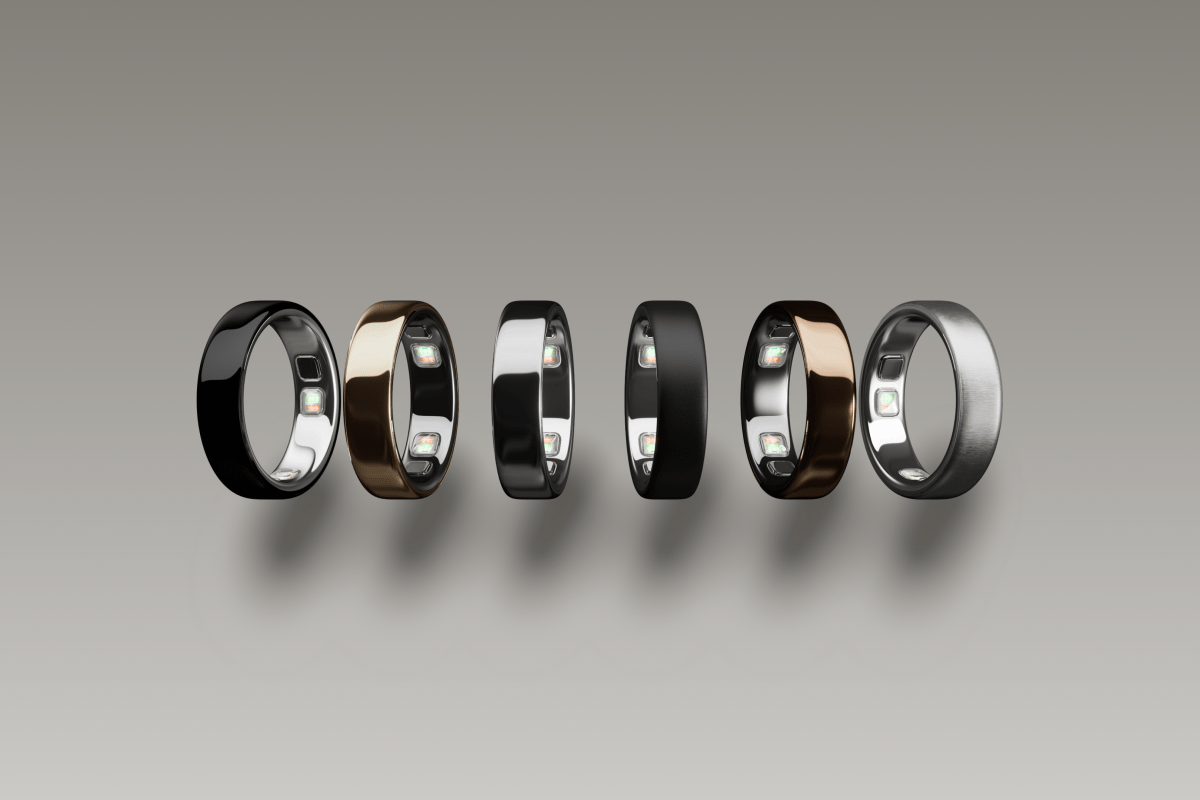
The smart ring industry is heating up as Oura, the Finnish leader, moves to go public. Officially filing for an IPO on September 3, the company has seen its revenue nearly double to an impressive $1.21 billion for the nine-month period ending June 30, fueled by the sale of 3.6 million rings and a user base of around 5 million paid members.
Oura's decision to enter the public market coincides with the launch of its latest product, the Oura Ring 5, touted as the slimmest and lightest iteration yet. However, the company is now facing stiff competition from emerging players, each promising innovative features that could shift market dynamics.
New Contenders in the Smart Ring Arena
Several competitors have recently announced plans to challenge Oura’s dominance. Circular, a French firm, has revealed that its forthcoming Ring 3 series will feature contactless payment capabilities and on-finger vibrations for alerts and reminders. Scheduled for release early next year, it promises advanced health metrics, including ECG for AFib detection.
Meanwhile, Ultrahuman is making strides with its third-generation smart ring, the Ring Pro, which is set to ship in the U.S. this month. Priced at $479, the Ring Pro has overcome a patent dispute with Oura by redesigning its heart-rate sensing system for improved data accuracy and on-device processing.
The Race for Features
The competition is not just about health monitoring anymore; companies are racing to integrate more tech features into their rings. RingConn recently launched its Gen 3 model, which tracks various health metrics and uses vibrations for alerts. Samsung is also in the mix with its Galaxy Ring, targeting users already within its ecosystem, although it lacks some advanced health features found in other models.
As the smart ring market evolves, the initial appeal of discreet health monitoring is becoming overshadowed by the drive for multifunctionality. New entrants, like the Dreame Ring, are already incorporating touchpads and haptic alerts, indicating a trend towards more complex devices that blur the lines between wearable tech and smartphones.
Source: techcrunch.com