Pakistan's Nutrition Crisis: A Call for Immediate Action at International Conference
By Editor • September 2, 2026 • 2 min read
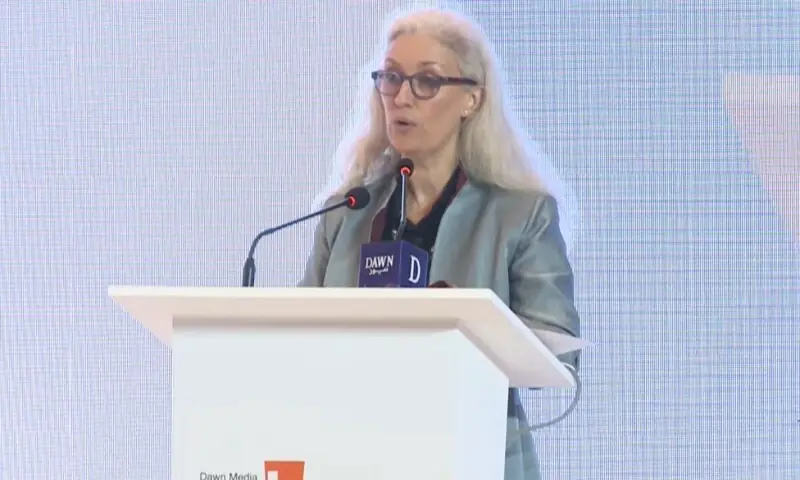
An urgent call to address malnutrition in Pakistan resonated at the two-day international conference, 'Act For Nutrition: The Emergency We Can No Longer Ignore', held at Islamabad's Serena Hotel. With staggering statistics revealing over 40 percent of children under five facing stunting and a maternal mortality rate of 155 per 100,000 live births, the nation grapples with a crisis that demands immediate attention.
The conference convened a diverse group of policymakers, health professionals, and nutrition experts, all focused on shifting the conversation from alarming statistics to actionable solutions aimed at enhancing nutrition outcomes. Pernille Ironside, the UN's resident coordinator in Pakistan, emphasized the importance of community involvement in addressing malnutrition, stating that effective strategies must not only respond to crises but also anticipate them.
"Investing in frontline workers and engaging local communities is crucial for strengthening essential services and ensuring that at-risk populations, especially women and children, are adequately supported," Ironside remarked. She highlighted Pakistan's vulnerability to climate change and economic shocks, reinforcing that nutrition should be integrated into systemic preparedness.
At the conference, World Bank nutrition specialist Abigail Perry pointed out that malnutrition significantly impedes individual and national prosperity. She stressed the long-lasting effects of early childhood malnutrition, urging for timely and effective interventions. WHO Director General Tedros Adhanom Ghebreyesus echoed this sentiment, describing malnutrition as a barrier not just to health but to overall development and opportunity.
Planning Minister Ahsan Iqbal, delivering the keynote address, outlined the critical nature of early childhood nutrition. He stated, "The first five years of a child’s life are crucial; if we neglect this phase, we jeopardize all future investments in human capital." He called for unified action among all stakeholders, asserting that addressing malnutrition is not merely a charitable endeavor but an essential economic policy.
Iqbal also underscored the need for a comprehensive approach to nutrition across different regions of Pakistan, acknowledging that the crisis manifests uniquely in areas like Tharparkar and southern Punjab. He expressed hope that the conference would catalyze actionable commitments aimed at improving maternal and child nutrition and ultimately strengthening the nation’s human capital.
As discussions unfolded, it became clear that the collective goal was to transform acknowledgment of the problem into concrete, measurable actions that protect future generations. With the stakes so high, the conference served as a pivotal moment for Pakistan to address its nutrition crisis with urgency and determination.
Source: www.dawn.com