Surge in Bear Encounters Sparks Safety Concerns Across North America
By Editor • September 4, 2026 • 2 min read
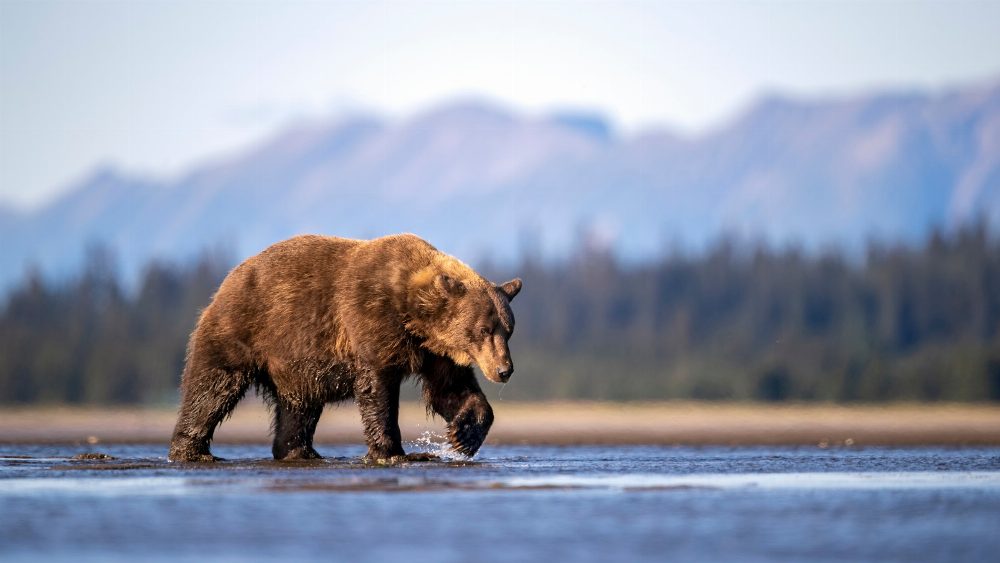
A recent bear attack in Columbia Falls, Montana, has highlighted an alarming trend in human-bear interactions this summer. On August 31, a woman walking her dog was severely injured in an attack, marking yet another incident in a year that has seen a staggering rise in bear encounters across North America.
According to Montana Fish, Wildlife and Parks (FWP), the woman required medical treatment for significant injuries sustained during the attack. This incident adds to a troubling list of bear-related incidents, with two fatalities already reported this year, including a hiker killed in Glacier National Park in May and another victim in New Mexico in August.
Environmental Factors Amplifying Bear Activity
Experts attribute the increase in bear encounters to a combination of environmental pressures. Dan Thompson, a large carnivore biologist, noted that a lack of snowpack during the previous winter followed by extreme summer heat has severely impacted the natural food sources bears depend on. This shortage has driven bears into populated areas in search of food.
“Human-bear conflicts in general tend to increase when there are shortages of natural bear foods,” explained Frank van Manen, a bear expert. Montana has reported 194 grizzly bear conflicts and 250 incidents involving black bears this year alone. Jamie Jonkel, a bear conflict specialist with Montana FWP, described this season as potentially one of the worst for natural food shortages on record.
Rising Trends in Other States
The trend is not confined to Montana. In Colorado, authorities have confirmed five black bear attacks amid over 8,600 sightings—more than double the previous year. Connecticut has seen over 50 bears entering homes, while Utah and New Mexico reported at least 168 and 187 black bear incidents, respectively, both of which are double the counts from the previous year.
As bear populations continue to rebound and encroach upon human habitats, experts warn that without an abundant supply of high-calorie food in the fall, the potential for further conflicts remains high.
Source: www.outsideonline.com
#bear attacks #environmental issues #human-bear conflict #Montana #wildlife