The Fall of Sir Keir Starmer: Key Events Leading to His Resignation
By Editor • September 1, 2026 • 2 min read
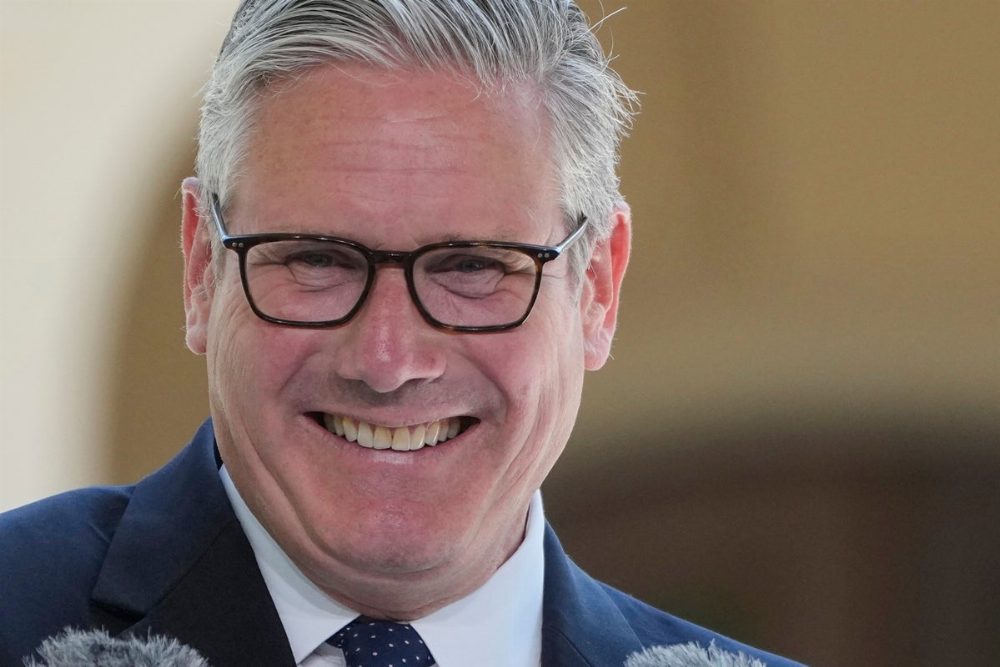
Sir Keir Starmer has officially announced his resignation as the MP for Holborn and St Pancras, a decision that will prompt a by-election in this London constituency. His departure from the political scene comes after a tumultuous 23 months in the role of Prime Minister, marked by significant electoral defeats and internal party pressure.
Starmer's resignation follows a string of disheartening outcomes for the Labour Party, particularly the recent local elections where the party lost 1,496 councillors, surpassing the Conservatives' previous record for local election defeats. The Labour Party's control over 38 councils was relinquished, and the party suffered particularly in traditional strongholds in Scotland and Wales. The recent elections underscored a growing discontent among voters, as the Labour Party struggled to fend off challenges from Nigel Farage's Reform UK.
The tipping point for Starmer came after Andy Burnham's resounding victory in the Makerfield by-election, which not only showcased Burnham's ability to appeal to voters but also intensified calls from within Labour for a leadership change. Burnham's win by a margin of 9,231 votes further highlighted Starmer's waning popularity and his inability to counter Reform UK's advances.
Starmer reflected on his decision in an interview with the Camden New Journal, stating that it was the "right time" for him to step back and shift his focus towards international affairs. He expressed his pride in representing his constituency and emphasized his ongoing commitment to combating violence against women and girls, an issue he has championed throughout his career.
His tenure as Prime Minister, which began with a landslide victory in July 2024, quickly deteriorated as internal strife and electoral setbacks piled up. The fallout from the local elections led to the resignation of key ministers, including Defence Secretary John Healey, who departed over disagreements regarding defense spending. Healey's resignation was particularly damaging as he was viewed as a loyal member of Starmer's team.
The situation was exacerbated by controversies surrounding Starmer's appointment of Peter Mandelson as the US ambassador, which faced scrutiny following the release of documents linking Mandelson to the disgraced financier Jeffrey Epstein. This revelation raised serious questions about the vetting process and the integrity of Starmer's leadership, further eroding his support.
In the wake of these events, Starmer faced increasing pressure to resign. Despite initially pledging to take responsibility for the electoral losses and promising change, the mounting criticism and his cabinet's internal dissent made his position untenable. Following a critical cabinet meeting, he concluded that stepping down was the only viable option.
The by-election to fill his seat will undoubtedly add to the challenges facing the Labour Party as they navigate this leadership transition amid a shifting political landscape. With Starmer's departure, the party will need to regroup and reassess its strategy in the face of a resurgent Reform UK and a disheartened voter base.
Source: www.independent.co.uk
#Andy Burnham #by-election #Keir Starmer #Labour Party #politics #UK