The Misnomer of AI 'Labs': A Call for Clarity in Technology
By Editor • September 4, 2026 • 2 min read
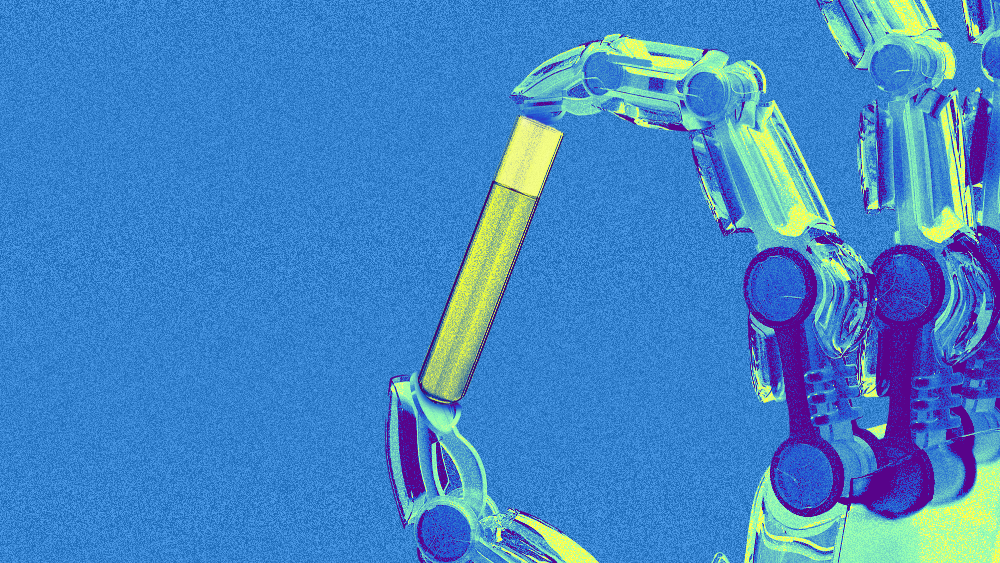
The term 'AI lab' has infiltrated the tech lexicon, but its application to leading AI companies like OpenAI and Anthropic is increasingly seen as misleading. As these companies transition from research-focused entities to commercial powerhouses, the usage of the lab label raises questions about their true nature in the tech ecosystem.
AI Companies vs. Traditional Labs
Historically, research laboratories have been the backbone of significant technological advancements, such as the development of the transistor at Bell Labs and the foundations of modern cryptography at MIT. However, critics argue that the AI sector, while initially research-oriented, has morphed into a commercial landscape dominated by profit motives. Both OpenAI and Anthropic now boast valuations close to $1 trillion, generating billions in revenue, which raises the question: Are they really labs, or just tech companies masquerading as such?
Public Perception and Trust Issues
The AI industry's adoption of the lab moniker seems strategic, aiming to leverage the public's longstanding trust in scientific research. A 2026 Pew Research Center poll highlighted that over 75% of Americans trust scientists, while skepticism looms over business leaders. By presenting themselves as labs dedicated to altruistic research, AI companies attempt to distance themselves from the negative perceptions surrounding their profit-driven motives, especially in light of concerns over privacy and job displacement.
Research Integrity and Accountability
Despite their claims to scientific rigor, many AI companies lack adherence to traditional research practices, such as independent peer review. An analysis of 100 research pieces from OpenAI and Anthropic revealed that most were not peer-reviewed, calling into question their scientific credibility. Critics argue that without a commitment to transparency and open scientific practices, these companies risk being more akin to advocacy organizations than genuine laboratories.
For AI firms to retain the 'lab' title, they must prioritize scientific integrity—open-sourcing their findings, preregistering studies, and ensuring that their research undergoes thorough peer review. As they continue to shape various facets of society, it is crucial to distinguish between their commercial endeavors and the scientific rigor they claim to uphold.
Source: www.theatlantic.com