The Transformation of U.S. Foreign Policy: A New Era of Self-Interest
By Editor • September 14, 2026 • 1 min read
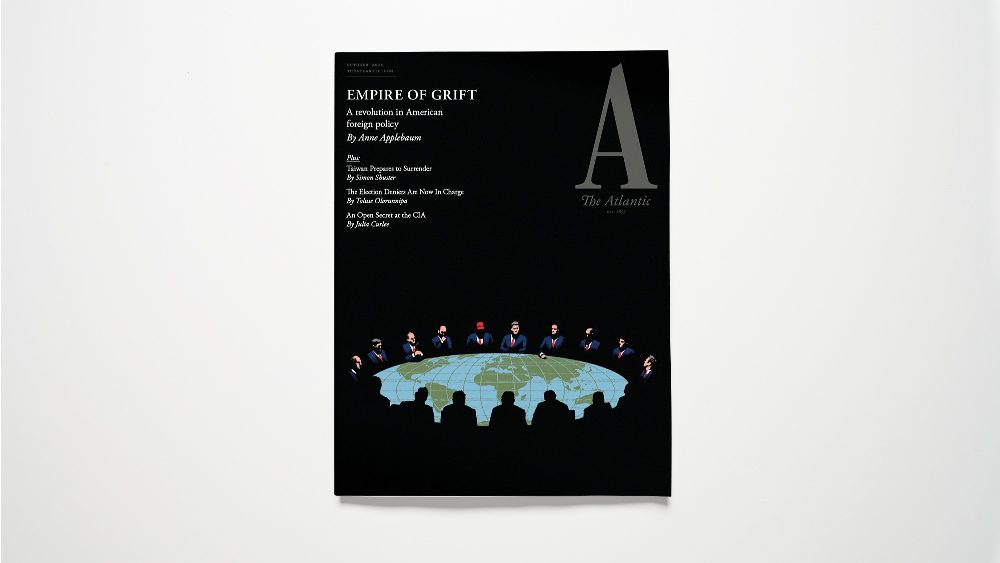
In the October edition of The Atlantic, Anne Applebaum's cover story titled "Empire of Grift" explores a significant shift in American foreign policy, suggesting it has devolved into a mechanism for personal gain and antidemocratic agendas. Applebaum argues that the current administration is redefining U.S. diplomacy, moving away from traditional practices towards a model dominated by informal actors and private interests.
Reporting from Brazil, Applebaum illustrates how the United States is perceived differently than in the past. The era where diplomats and officials directed American power is fading. Now, informal representatives and ideologues are at the forefront, prioritizing personal or ideological ambitions over the nation’s reputation or democratic values. They are reshaping the international landscape without the intention of fostering democratic relationships.
Contrary to the assumption that the present U.S. leadership operates from an isolationist stance, Applebaum contends this perspective is misguided. The Trump-aligned officials see themselves as part of a larger movement, one that they believe will fundamentally reshape America and the global order. They view their adversaries not as legitimate competitors but as existential threats, warranting a departure from established diplomatic norms to achieve their goals.
Applebaum warns that the post-World War II democratic order, built on alliances and mutual benefits, is at risk. As relationships that once promoted stability and peace erode, countries that hesitate to engage in this new competitive environment may find themselves marginalized. This shift underscores a critical moment in international relations that could have lasting implications for global diplomacy.
Source: www.theatlantic.com
#Anne Applebaum #foreign policy #The Atlantic #Trump administration #U.S. diplomacy