Vaalwater: The Hidden Heart of Waterberg's Conservation Efforts
By Editor • September 14, 2026 • 1 min read
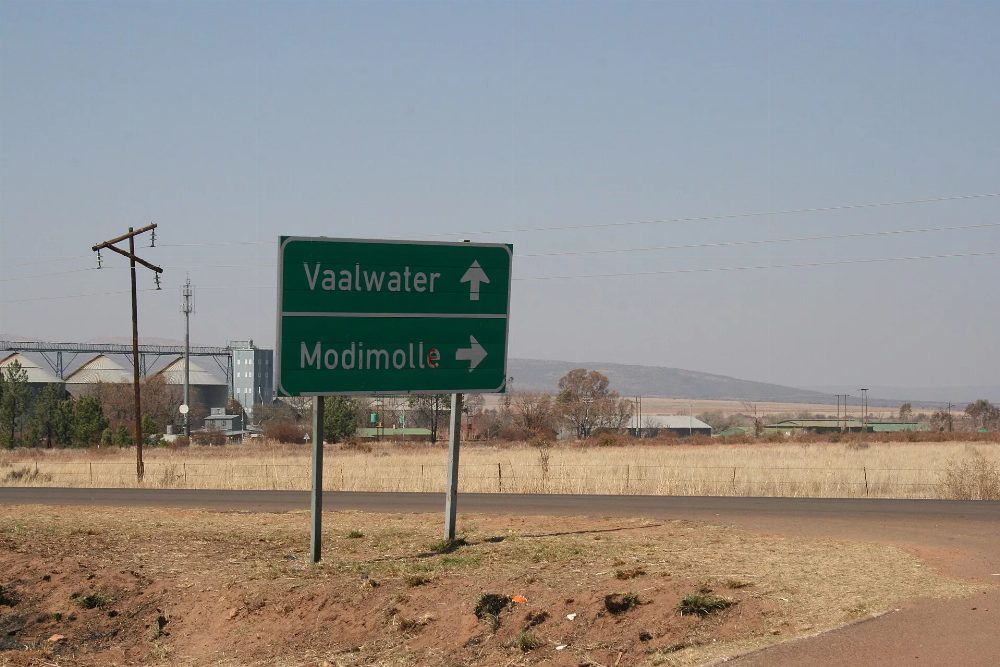
Nestled along the R517 in Limpopo, Vaalwater may not be on everyone's radar, but this small town is pivotal to the burgeoning conservation movement within the Waterberg region. While many travelers might perceive it merely as a pit stop for fuel and food, Vaalwater serves as a vital link between local communities and the expansive wildlife reserves that define the area.
From Agriculture to Conservation
Historically, Vaalwater was known for its agricultural activities, with tobacco farming flourishing along the Mokolo River. However, since the 1980s, a significant shift has occurred as landowners transitioned from traditional farming to wildlife conservation. The area has transformed into a thriving hub for game farming and ecotourism, leading to the establishment of private reserves and game ranches, much to the benefit of the local economy.
A UNESCO Biosphere Reserve
In 2001, the Waterberg was recognized as a UNESCO Biosphere Reserve, encompassing over 654,000 hectares of diverse ecosystems. Unlike a national park, this designation aims to harmonize conservation efforts with human activity, promoting coexistence between wildlife and local communities. Vaalwater plays a crucial role in this ecosystem, acting as a rural service center that supports the region's tourism-driven economy.
Challenges of Coexistence
Despite the remarkable conservation achievements in the Waterberg, challenges remain. Research indicates tensions regarding land and water use, especially between private game farms and local communities, which often face water shortages. This underscores the complexity of conservation efforts, reminding us that the narrative is not solely about wildlife but also about the people who live alongside these natural resources.
Source: www.getaway.co.za
#Biosphere Reserve #conservation #ecotourism #Vaalwater #Waterberg