Belém's Bold Initiative to Combat Dengue Fever Threat
By Editor • August 14, 2026 • 2 min read
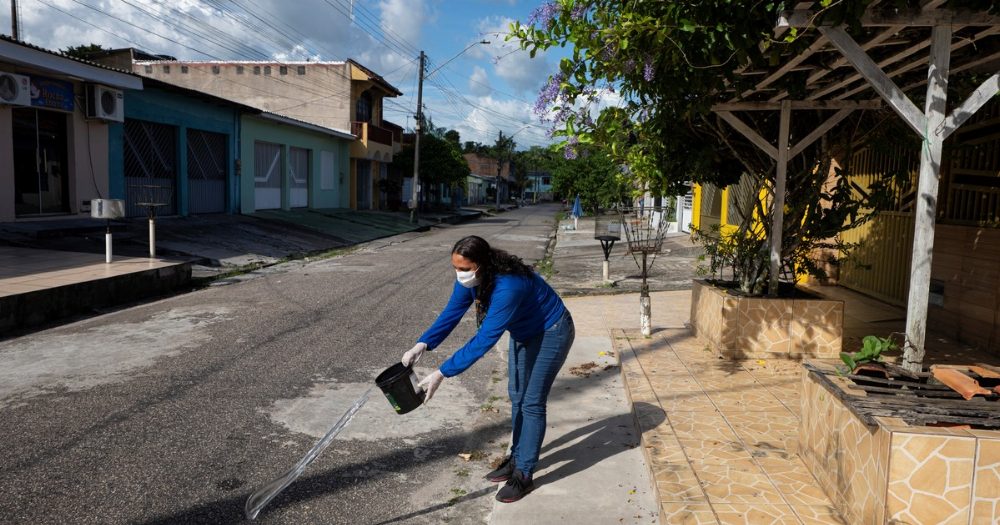
In the heart of Brazil's Amazon region, Belém is waging an intense battle against dengue fever, a disease that has haunted its residents for years. The city, nestled on the edge of lush tropical rainforest, is implementing innovative strategies to curb the spread of this mosquito-borne illness. Paulo Gomes, a 65-year-old local, embodies the spirit of this initiative. He recalls the harrowing experience of his wife, Lucirene, nearly succumbing to dengue a decade ago. Now, he actively participates in the city’s efforts to eliminate mosquito breeding grounds.
Belém faces unique challenges, with its climate fostering ideal conditions for mosquitoes. The humid environment, coupled with stagnant water, provides the perfect breeding ground for Aedes aegypti, the mosquito responsible for transmitting dengue. To combat this, local authorities have introduced a multifaceted approach, including the distribution of specialized larvicide containers that can eradicate mosquito larvae before they mature. Last year, 5,000 of these units were dispersed in high-risk areas of the city.
As climate change exacerbates the spread of diseases like dengue, Brazilian officials are emphasizing the need for proactive measures. Dr. Alexandre Padilha, Brazil's Minister of Health, highlighted the link between climate change and public health crises. He noted that Brazil, during its G20 presidency, has been advocating for global initiatives to tackle such health threats. In 2024 alone, Brazil reported over 10 million dengue cases, leading to more than 6,000 deaths, a figure that underscores the urgency of the situation.
In response to the escalating crisis, Belém has begun collaborating with scientists and public health experts to enhance its mosquito control programs. This includes the establishment of the world's largest 'mosquito factory,' aimed at producing Aedes mosquitoes infected with Wolbachia, a bacterium that inhibits the transmission of dengue. The goal is to release these modified mosquitoes into the environment to breed and pass on the bacteria to future generations.
Local health authorities are also taking steps to educate the community on preventative measures. Training sessions for municipal workers focus on recognizing dengue symptoms and encouraging residents, especially in low-income areas, to maintain clean environments. Symptoms of dengue can easily be mistaken for other ailments, which complicates early detection and treatment efforts. The city has shifted its focus from wealthier neighborhoods to ensure equitable health measures are available, addressing the needs of the most vulnerable populations.
Source: www.clarin.com