Camp Cranium Thrives Amidst Concerns Over Federal Support for Brain Injury Research
By Editor • August 27, 2026 • 3 min read
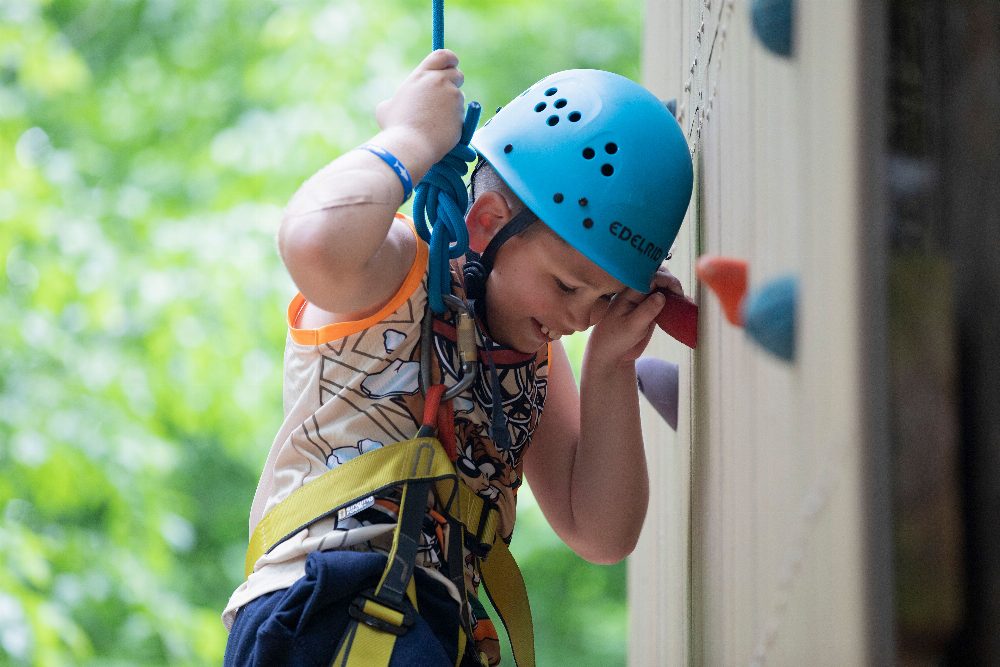
MILLVILLE, Pa. — Amid the summer warmth, the sounds of arrows hitting targets filled the air at Camp Cranium, a sanctuary for children with brain injuries. Drew Meyer, the camp's operations director, watched proudly as campers, some of whom had to relearn basic skills, achieved remarkable feats.
"They will surprise you, like, flat out," Meyer shared, reflecting on the campers' resilience. Ages 10 to 21, these young individuals have transformed their challenges into triumphs, climbing rock walls and zipping through forests on lines, all while forming lasting friendships.
Since its inception in 2008, Camp Cranium has offered essential support for children who have survived traumatic brain injuries (TBIs). In stark contrast to the 1980s, advancements in medical care have led to a greater survival rate among children facing such crises. However, the future of TBI research hangs in the balance as federal funding becomes increasingly uncertain.
Annually, approximately 2.8 million Americans experience a TBI, with around 475,000 being children, according to data from the Brain Injury Association of America. However, experts believe these figures may be underestimated. A 2018 CDC survey revealed that TBIs are often "hidden" injuries, complicating their recognition and treatment.
Despite the challenges, Camp Cranium thrives thanks to passionate staff and community support. Lucas Hardy, a 14-year-old camper, demonstrated his determination by climbing a 30-foot rock wall, aided by a hoist that assisted him from his wheelchair. At just three years old, Lucas suffered a TBI when a falling tree branch struck him during a birthday party.
However, as the camp continues to flourish, concerns loom over the future of federal TBI research. In early 2025, a significant reorganization at the Centers for Disease Control and Prevention (CDC) saw the dismissal of the TBI research team, right before they were set to launch a nationwide concussion surveillance program.
Emily Hilliard, a spokesperson for the Department of Health and Human Services, stated that the CDC is working to establish a cost-effective national concussion surveillance system amid funding constraints. She assured that TBI work continues under different staff members at the National Center for Injury Prevention and Control.
Nevertheless, Rebeccah Wolfkiel, executive director of the National Association of State Head Injury Administrators, expressed her discontent with the lack of resources for brain injury research. "The lack of resources and programs and information that’s out there is really just sort of appalling," Wolfkiel stated.
The camp's executive director, Tony Sadowski, has a personal connection to the cause. His son, Bryan, suffered a brain bleed at age 6, leading to his attendance at Camp Cranium. Now 18, Bryan is preparing to pursue a career in occupational therapy.
Despite the challenges posed by funding lapses, Camp Cranium and similar camps remain resilient, largely supported by private donations. The TBI Act, which previously provided federal funding for TBI programs, has not been reauthorized since 2024, leading to reduced financial resources. Yet, Congress did allocate $8.25 million for TBI programs in 2026, a fraction of previous funding levels.
As laughter and cheer filled the air at Camp Cranium, 21-year-old camper Brianna Engleman, who has attended since 2018, reflected on her journey. After undergoing a hemispherectomy to alleviate seizures, she found a community at the camp, boosting her confidence.
Engleman plans to return as a counselor, eager to support others facing similar challenges. "It made me think, well, there’s actually good people out there," she shared, highlighting the camp's profound impact on her life.
Source: kffhealthnews.org