Frank Gehry's Iconic Contributions to New York's Architectural Landscape
By Editor • August 19, 2026 • 2 min read
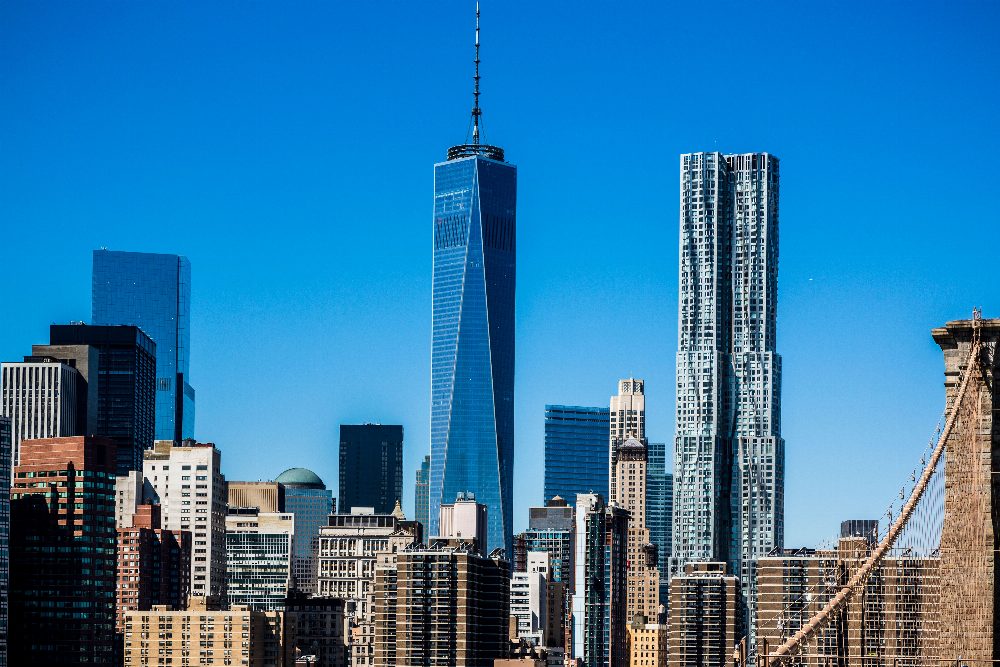
Though Frank Gehry's architectural presence in New York City is limited, the impact of his designs is unmistakable. His unique deconstructivist style can be seen in three significant structures that collectively showcase his innovative approach to modern architecture.
The IAC Building in Chelsea, completed in 2007, marks Gehry's first full office project in the city. This ten-story structure, designed for the media giant IAC, features a striking glass façade that resembles the sails of a ship. Gehry's design underwent an impressive 51 iterations, with a final color choice dictated by IAC chairman Barry Diller's preference for white. The building’s windows transition from clear to milky glass, creating a dynamic visual experience that continues to draw admiration. Architect Aiste Dzikaraite notes how the façade reflects the sky, contributing to its sculptural quality.
In Lower Manhattan, 8 Spruce Street, also known as Beekman Tower, stands as a testament to Gehry's skyscraper design prowess. Opened in February 2011, this 76-story residential tower was the tallest in the Western Hemisphere until 2020. Its rippling stainless-steel surface not only complements the historic skyline but also captures sunlight in a captivating way, making the building appear to change throughout the day. Dzikaraite describes it as a structure that seems to shift and evolve, a hallmark of Gehry's vision.
Gehry's New York journey began with the Condé Nast Cafeteria, his first project in the city, completed in 2000. Initially, Gehry faced challenges securing major commissions, but an invitation from S.I. Newhouse Jr., owner of Advance Publications, led to this creative endeavor. Located on the fourth floor of 4 Times Square, the cafeteria features striking design elements like towering glass partitions and twisting titanium columns, showcasing Gehry's signature avant-garde style. Although Condé Nast has since relocated, the cafeteria has transformed into a tenant-only food hall, still reflecting Gehry's bold architectural language.
As Gehry himself once reflected, New York was long viewed as an elusive goal for him, a mountain to climb. The rarity of his buildings in the city amplifies their significance in the architectural landscape. Each of these structures not only marks a milestone in Gehry's career but also contributes to the evolving narrative of New York's skyline.
Source: www.architecturaldigest.com
#8 Spruce Street #architecture #Frank Gehry #IAC Building #New York City