Grocery Prices Surge as Wages Struggle to Keep Up
By Editor • August 30, 2026 • 2 min read
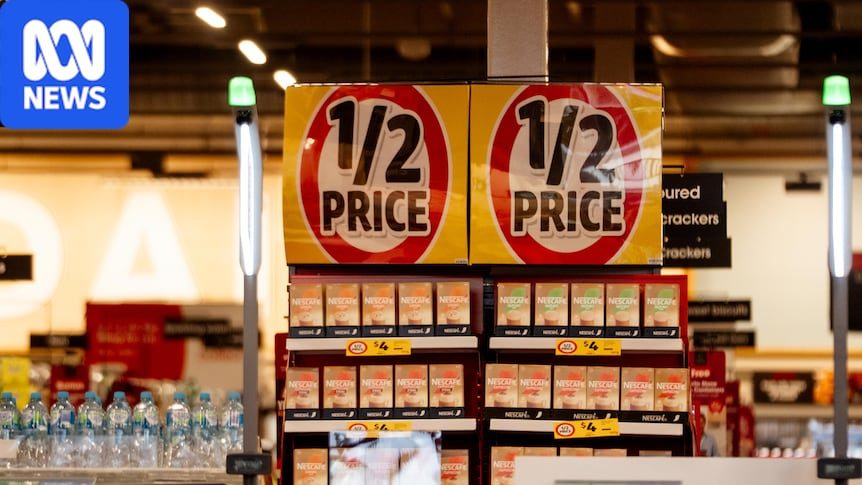
In Australia, consumers are feeling the financial squeeze at grocery stores, where prices have sharply risen while wages have failed to keep pace. Over the past 16 months, grocery costs have surged significantly, with a recent analysis showing an increase of 8.5% in just over a year for common items at Woolworths. This trend is prompting calls for a royal commission to investigate the lack of competition among major supermarket chains.
According to Canstar, the average grocery bill at Woolworths jumped from $213.89 in March 2025 to $232.02 in July 2026. In comparison, wage growth stood at only 3.3% for the year ending in March. This mismatch has left many families feeling the pinch, as essential items like milk and minced meat have also seen price hikes due to adverse weather affecting farmers.
Eden Radford from Canstar noted a shift in consumer behavior, with many shoppers resorting to bulk buying, purchasing frozen goods, and even swapping meat for more affordable proteins like lentils to manage their budgets. Other customers echoed this sentiment, with Chris Jackson reporting that his family's weekly grocery bill has soared from around $300 to over $400.
Roseanne Browning shared her experience of drastically cutting back on her purchases. She mentioned that the skyrocketing costs have forced her to eliminate non-essential items like chocolate and confectionery from her shopping list. Meanwhile, Anne Coleman remarked that while her grocery expenses have increased by $20 to $30, the quantity of products she receives seems to have diminished.
Even specific items have seen notable price increases, with Sea Miller observing that sunblock has risen from $3 to $4.50 within a year. The rising costs can be traced back to various factors, including elevated shipping expenses during the pandemic and ongoing issues with energy and logistics costs.
Interestingly, grocery prices differ significantly across states, with consumers in Western Australia paying over $3 more for a Coles basket compared to those in New South Wales. In the Northern Territory, an IGA shop costs around $33 more than in Victoria, primarily due to fluctuations in fruit and vegetable prices.
Retail academic Lisa Asher highlighted that Australia's two dominant supermarket chains contribute to higher prices, with consumers paying about 10% more on average. She compared this to grocery price trends in the UK, where competition has led to price reductions in certain stores.
The Australian Competition and Consumer Commission (ACCC) is currently monitoring Coles and Woolworths for excessively priced items. New regulations allow them to prevent supermarket expansions that could harm competition. Asher is advocating for a royal commission to delve deeper into the factors influencing competition in the retail sector.
Source: www.abc.net.au
#Australia #competition #grocery prices #supermarkets #wages