How to Handle a Moldy Strawberry: Expert Tips
By Editor • August 20, 2026 • 1 min read
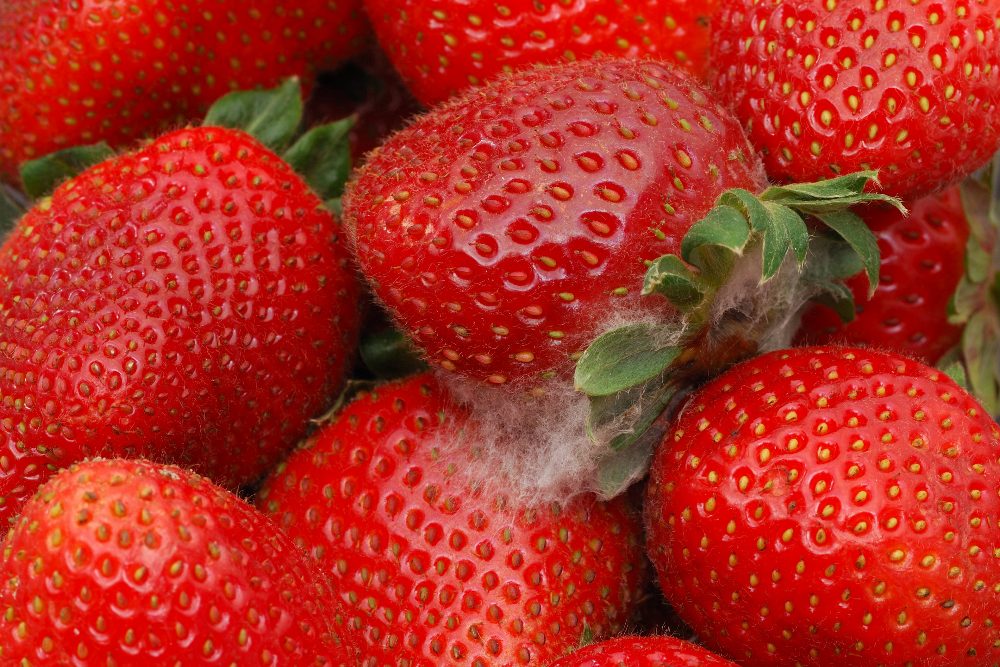
Finding a single moldy strawberry in your pint can be disheartening, leading many to question whether the whole batch is spoiled. However, experts suggest that a discerning eye and careful handling can save the rest of your strawberries.
According to Lauren Manaker, R.D.N., and Bryan Quoc Le, Ph.D., mold thrives in warm and humid conditions, making strawberries particularly susceptible due to their high moisture content. The USDA warns that mold's roots can penetrate deeply into soft fruits, indicating that when mold appears, it’s safer to discard the affected strawberries.
Manaker advises promptly removing any moldy berry along with those it has touched. If the remaining strawberries look and smell fresh, they can likely be enjoyed after a thorough wash. However, if the mold has spread or other berries feel overly soft, it’s best to toss them all. Quoc Le emphasizes that because of their soft texture, mold can quickly transfer to adjacent fruits.
For those unsure whether what they see is mold or simply a hairy trichome, Manaker clarifies that mold appears fuzzy and can be white, green, or gray, while trichomes are typically white or translucent. Early signs of mold may include discoloration or browning.
When it comes to cleaning strawberries, a simple rinse under cold water before consumption is recommended. Some prefer soaking them in a vinegar solution for extra safety. Ultimately, if you find mold, carefully inspect the other strawberries. If in doubt, consider discarding the entire pint, as the USDA suggests exercising caution with soft fruits.
Source: www.delish.com