Iranians Grapple with Economic Hardship Amid Prolonged Conflict and Sanctions
By Editor • August 16, 2026 • 2 min read
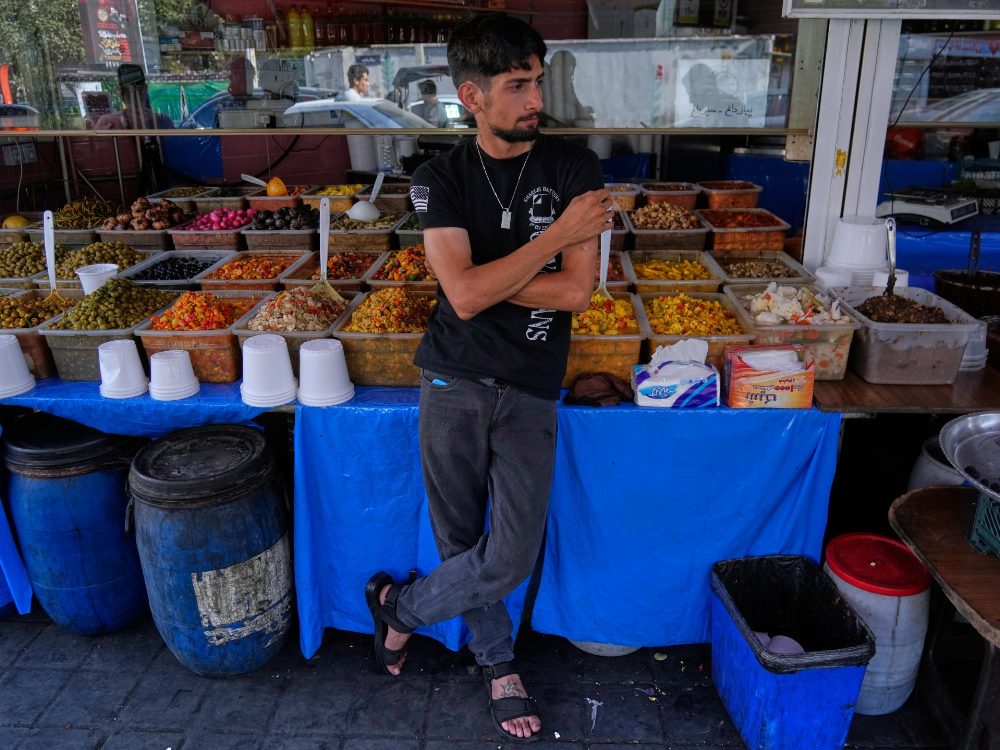
Tehran is feeling the strain as residents struggle to make ends meet amidst the ongoing conflict with the United States and crippling sanctions. Saeed, a 26-year-old teacher, laments the dire job market, stating that many young Iranians are losing hope as even basic job opportunities fail to provide a livable wage.
"You take one look at the condition of job postings you can find online or in person, and you will understand why some young people feel like it’s not even worth it going out for work," Saeed told Al Jazeera. With salaries often below the basic minimum wage of approximately 166 million rials ($88), teaching positions and other jobs leave employees struggling to cover basic living costs.
The economic fallout is staggering; for those earning minimum wage, a single kilogram of lamb could consume about 10 percent of their monthly salary, while 10 kilograms of rice would take up over a fifth. Housing, utilities, and healthcare costs are escalating rapidly, compounding the already challenging financial landscape.
In a bid to address inflation, the government raised the minimum wage by 60 percent last March, but this move has sparked fears of increased inflation. Recent reports indicate that inflation has soared to around 88 percent year-on-year, with food prices escalating even more dramatically—food inflation reached an alarming 128 percent.
Many Iranians are feeling the pinch, with youth unemployment hitting 23.4 percent and overall unemployment at 9.1 percent, suggesting that a significant portion of the workforce is engaged in informal or irregular jobs. Even entrepreneurs like Yashar, who co-owns a grocery store, find themselves struggling despite owning assets. "From the outside, it might seem like we’re well-off, but it feels the opposite to us," he said, highlighting the difficulties in maintaining profitability.
President Masoud Pezeshkian acknowledged the strain on the economy, attributing rising costs to the war and the US naval blockade, which has hampered oil sales and tax revenues. He hinted at potential fuel price increases but is cautious due to the risk of igniting public protests, as seen in previous instances of price hikes.
While the government considers diplomatic engagement with Washington, the prospects of a resolution seem distant. As tensions persist, ordinary Iranians like Ladan, a 28-year-old office worker and entrepreneur, are left grappling with the reality of their economic situation. Despite running an online shop, she reported meager profits, stating, "I’m so sick and tired of everything. I can’t even buy myself a Pride," referring to the low-cost vehicle that has become a symbol of the financial struggles many face.
Source: www.aljazeera.com