Escalating Violence: Israeli Airstrikes in Southern Lebanon Result in Tragedy
By Editor • August 15, 2026 • 2 min read
In a tragic escalation of conflict, Israeli airstrikes on southern Lebanon on August 15, 2026, claimed the lives of at least 11 individuals, including three children. This marked the deadliest attack in the region since a fragile truce was established between Israel and Hezbollah in June, raising alarms over the potential for renewed hostilities.
The Lebanese Health Ministry reported that one of the strikes targeted a home in the village of Ansar, where seven people were killed and two others wounded. Another strike in Deir al-Zahrani resulted in four fatalities and left 17 injured. These incidents have drawn strong condemnation from Lebanese leaders, underscoring the precariousness of the current diplomatic climate.
Israel’s military described the airstrikes as retaliatory actions against Hezbollah, which it accused of using civilians as human shields. Notably, a commander of the Iranian-backed group was specifically targeted in one of the strikes. Israeli Prime Minister Benjamin Netanyahu’s spokesman, Doron Spielman, suggested that these strikes should reignite U.S.-brokered negotiations with Lebanon, asserting, "The enemy here is clear and the enemy is Hezbollah."
The conflict is further complicated by ongoing tensions between the U.S. and Iran. Iran reacted sharply to U.S. President Donald Trump's assertion that the Strait of Hormuz would soon be considered U.S. territory. Iranian officials stated unequivocally that the strait, a critical artery for global oil transport, would remain under Iranian control, rejecting Trump's claims. This comes amid ongoing military engagements in the region, with Tehran accusing Qatar of detaining three Iranian pilots whose aircraft were downed earlier in the war.
Iranian General Mohammad Bagherzadeh claimed that these pilots were captured by Qatari forces following a mission against a U.S. military base in Qatar. Qatar has denied these allegations, emphasizing that it is not holding any Iranian pilots and expressing surprise at the timing of Iran's demands amidst diplomatic efforts to reduce regional tensions.
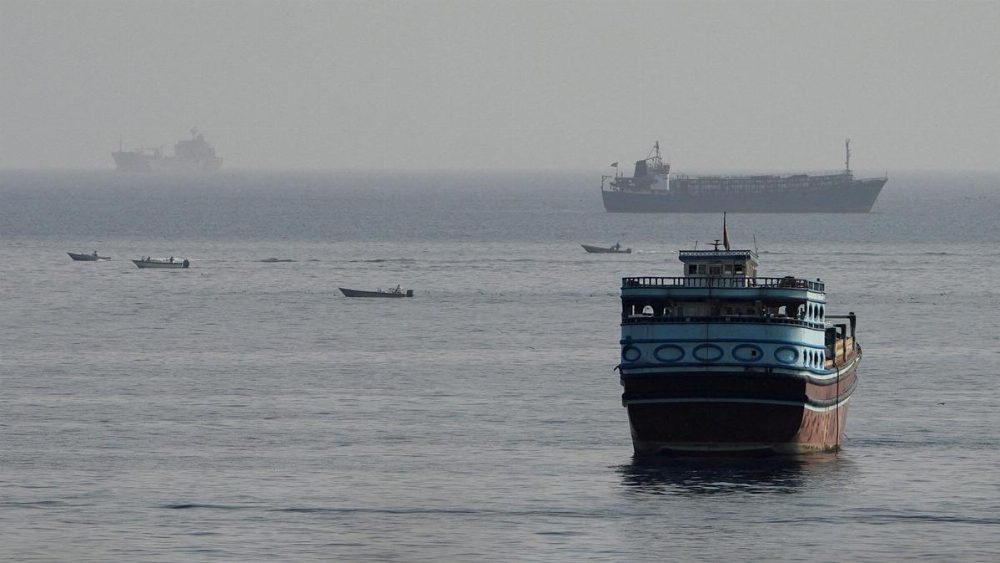
The situation also involves a recent incident involving the United Arab Emirates' state-owned oil company, ADNOC, which reported that one of its vessels was attacked while traversing the Strait of Hormuz. Although no injuries were reported, the incident highlights the ongoing risks in this vital waterway, with UAE officials affirming their commitment to safeguarding maritime security.
As the violence intensifies, Hezbollah has vowed to respond appropriately to Israeli attacks. The group criticized Lebanese authorities for pursuing negotiations with Israel, describing them as "humiliating" and calling for a halt to talks that could undermine national security. In a letter to the International Committee of the Red Cross, Iran's Armed Forces reiterated their demand for the release of the Iranian pilots, further complicating the already tense geopolitical landscape in the region.
Source: www.thehindu.com