Measles Threat Looms as 1.7 Million Australians Remain Unvaccinated
By Editor • August 16, 2026 • 2 min read
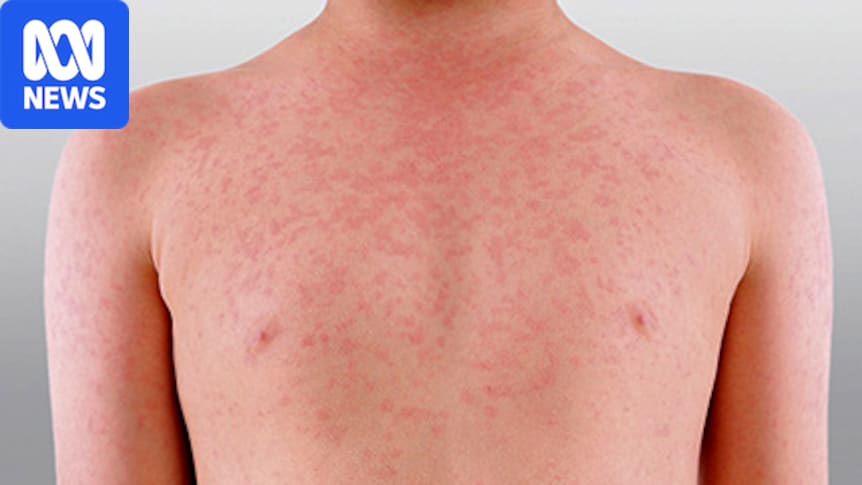
A recent study has raised alarming concerns about measles susceptibility in Australia, revealing that approximately 1.7 million individuals, or about 7% of the population, lack protection against the disease. This analysis, conducted by the National Centre for Immunisation Research and Surveillance (NCIRS) and published in the Australian and New Zealand Journal of Public Health, suggests that specific age groups, particularly those born from the late 1970s onward, are at a heightened risk.
The lead author of the study, Zoë Croker, emphasized the potential for more measles outbreaks, which could be challenging to manage. She noted that the findings were based on a combination of blood sample tests for measles immunity and vaccination data, providing a comprehensive overview of the country's immunization status.
Australia achieved measles elimination status in 2014, but recent years have seen an uptick in imported cases, particularly during the pandemic lull. The study identified key demographics with significant susceptibility, including infants, young children, and adults aged 25-49, who may have missed vaccinations during critical periods.
Professor Adrian Esterman, an epidemiologist, highlighted the importance of maintaining a high immunity level, noting that Australia’s overall measles immunity stands at 93.3%. He warned that if the immunity rate dips below the 93% threshold recommended by the World Health Organization, the risks of outbreaks would significantly increase.
Travelers are particularly urged to verify their vaccination status, as many recent cases have emerged from those returning from regions with ongoing outbreaks. NCIRS associate director Frank Beard encouraged adults in at-risk categories to consider receiving an additional measles vaccine to bolster their immunity.
The study also pointed out that certain generations, particularly those born around 2000 and during the early vaccine era, are less likely to be fully vaccinated, increasing their vulnerability. Ms. Croker noted that gaps in immunization programs have contributed to these concerning statistics.
Professor Esterman expressed his worries about the implications of these findings, stating that a single infected person could rapidly spread the virus in a group lacking immunity. As the global landscape of measles outbreaks evolves, public health officials stress the need for renewed vigilance in immunization efforts to prevent the resurgence of this highly contagious disease.
Source: www.abc.net.au