Cybersecurity Under Siege: The Fallout from Trump's Administration
By Editor • August 16, 2026 • 2 min read
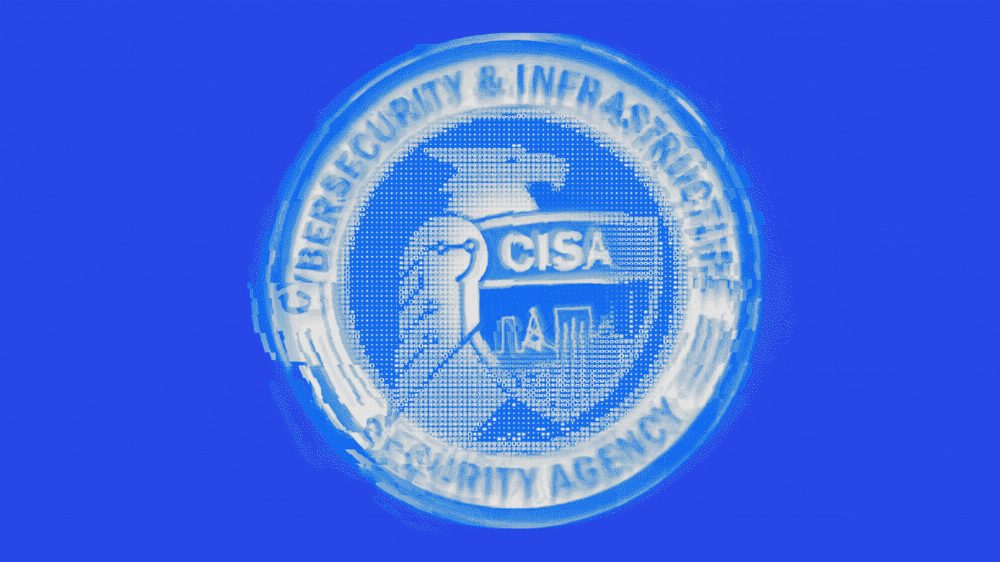
As the nation grapples with increasing cyber threats, the recent past under former President Donald Trump has raised significant concerns about the integrity of U.S. cybersecurity measures. During her January 2025 confirmation hearing for the role of Secretary of Homeland Security, Kristi Noem made headlines with her plans for the Cybersecurity and Infrastructure Security Agency (CISA), a body established under Trump's first term.
Noem proposed to streamline CISA, suggesting it should become 'smaller' and 'more nimble.' This is a stark contrast to the agency's previous expansion, which was driven by bipartisan support and aimed at bolstering the nation's cyber defenses. A pivotal moment came after CISA declared the 2020 presidential election as 'the most secure in American history,' leading to the ousting of CISA's director, Christopher Krebs, who had refused to endorse Trump’s claims of election fraud.
In the wake of this, CISA faced significant budget cuts and staffing reductions, losing a third of its workforce, and now operates without a permanent director. The Trump administration has even proposed further budget cuts, despite warnings from Republican lawmakers about the vulnerabilities in critical infrastructure.
As the U.S. enters a prolonged conflict with Iran, the urgency to fortify cyber defenses has never been greater. Recently, Iranian-affiliated hackers targeted water systems across the nation, causing temporary shutdowns in places like Braham, Minnesota. This attack was part of a broader campaign affecting over 30 systems and represents one of the most extensive cyber incursions seen to date. Despite these alarming developments, the Trump administration has remained fixated on questioning the legitimacy of U.S. elections rather than addressing cybersecurity threats.
Federal agencies, including CISA, the FBI, and the EPA, have issued warnings about cyberattacks linked to Iran, indicating that hackers may exploit vulnerabilities as midterm elections approach. Yet, the Trump administration's focus on election integrity, including meetings with election deniers, has created a backdrop of distrust among state officials, particularly those aligned with the Democratic Party.
The fallout from the administration's stance has left many state election officials feeling unsupported by CISA, leading them to seek assistance elsewhere, such as private contractors and local law enforcement. The federal government’s unique capabilities in threat analysis and intelligence gathering have proven irreplaceable, highlighting the consequences of the diminished role of CISA.
Christopher Krebs, now an independent consultant, emphasized that smaller utility systems are particularly vulnerable to cyberattacks. These utilities often lack the resources and expertise to defend against sophisticated intrusions, making them ripe targets for cybercriminals. Krebs pointed out that the lack of comprehensive cybersecurity measures at the local level is a significant factor in these vulnerabilities.
With the ongoing military actions in Iran, including strikes on critical infrastructure, the potential for cyber retaliation remains high. Experts warn that if the U.S. engages in aggressive military actions, it must also ensure robust collaboration with state and local partners to mitigate the risks of cyberattacks.
Source: www.theatlantic.com