New Diplomatic Efforts Spark Hope for US-Iran Relations
By Editor • August 26, 2026 • 2 min read
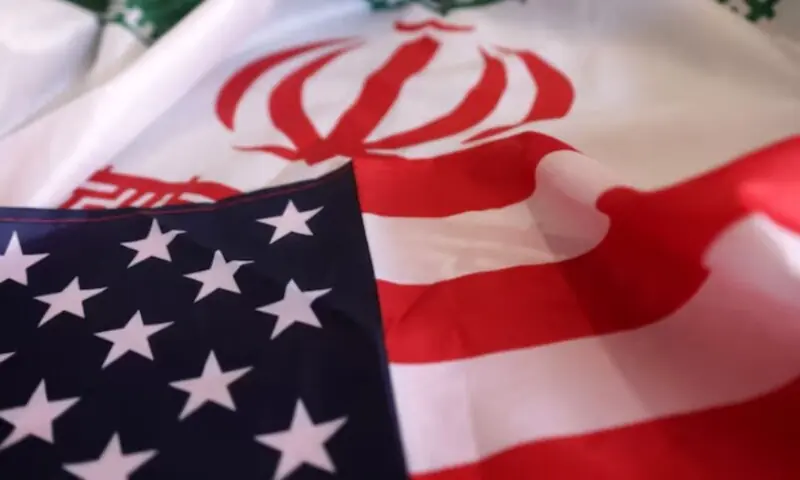
Recent diplomatic visits to Tehran have reignited optimism for a potential thaw in US-Iran relations, a much-needed shift amid escalating tensions in the Gulf. The visits by Pakistan's Chief of Defence Forces Field Marshal Asim Munir and Omani Foreign Minister Badr Al-Busaidi have led to discussions that could pave the way for de-escalation, particularly concerning the critical Strait of Hormuz.
Although no definitive agreements have emerged, the dialogue marks a significant step forward compared to the recent militarization of the conflict. The renewed engagement has focused attention on both the political and technical aspects of the dispute. According to reports, Washington is open to easing economic sanctions if Iran complies with specific conditions.
US media has suggested a potential deal involving the cessation of sanctions and naval blockades in exchange for Iran's commitment to keep the Strait of Hormuz open and to restrain attacks from Iran-aligned groups. However, the particulars of such proposals remain unverified by either government.
Following a period of disconnection, the visits have reestablished communication channels between Tehran and Washington through Islamabad. Iranian officials, including Seyed Mehdi Tabatabaei, characterized the discussions as “highly fruitful” with notable diplomatic gains. This positive reception suggests a willingness on Iran's part to explore diplomatic solutions, though Tehran insists on addressing what it sees as US violations of previous agreements.
Field Marshal Munir's discussions in Tehran were particularly pivotal, as he met with Gen Mohsen Rezaei, a key figure in Iran's security establishment. The Pakistani army’s Inter-Services Public Relations (ISPR) noted that Iran recognized Pakistan's constructive role in fostering dialogue and reducing tensions.
Despite the hopeful atmosphere, Iran has not signaled any intent to make unilateral concessions. Instead, it has reiterated its desire to return to the terms of the Islamabad Memorandum of Understanding, contingent upon the US adhering to its commitments. This ongoing conditionality underscores the complexity of the negotiations.
In a related development, the recent talks between Oman and Iran resulted in an agreement to establish a phased navigation arrangement in the Strait of Hormuz. This includes the formation of a temporary joint navigation corridor, mine clearance, and enhanced information exchange, aimed at better traffic management in the strategically vital waterway.
Oman’s Foreign Minister expressed optimism about soon finalizing the temporary corridor, which would lay the groundwork for more permanent solutions to navigational issues in the strait.
As the situation evolves, the US has also indicated a possible shift in its diplomatic posture, with reports of personnel being sent back to diplomatic missions in the Middle East that had been previously downsized. This suggests a recognition of reduced immediate risks, even as the broader geopolitical landscape remains fraught with challenges.
Source: www.dawn.com
#diplomacy #economic sanctions #Pakistan #Strait of Hormuz #US-Iran relations