OpenAI's Ambitious Leap into AI Agents: A New Era for Digital Workflows
By Editor • August 24, 2026 • 3 min read
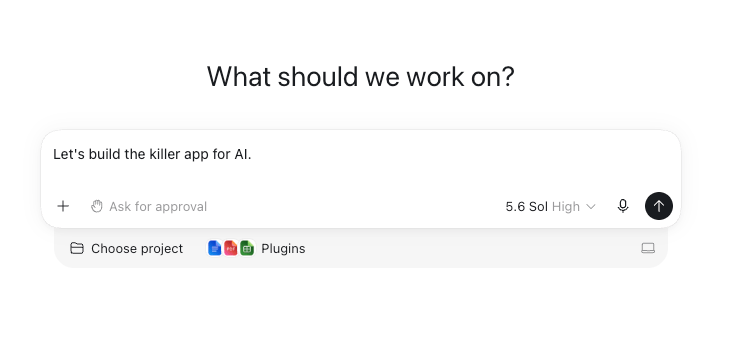
OpenAI is venturing into a transformative phase with the introduction of ChatGPT Work, designed to empower white-collar professionals by integrating AI agents into their daily workflows. This evolution, led by Andrew Ambrosino, reflects a bold vision to redefine how individuals interact with technology in their professional lives.
ChatGPT Work, launched last month at a subscription fee of $20, marks OpenAI’s strategic push to enable various professions—ranging from accountants to doctors—to harness the capabilities of large language models (LLMs). Ambrosino, the lead engineer of the project, emphasizes that utilizing AI effectively requires giving it extensive access to personal and professional data. “I’ll do it for the job. I will take the personal hit here and there if I have to,” he explained, illustrating the balance between utility and privacy in this AI-driven landscape.
The core ambition is to transition AI from merely answering questions to actively assisting users in bringing their ideas to fruition. While software developers have experienced this shift, OpenAI is now keen to extend these benefits to a broader audience. ChatGPT Work is an adaptation of the Codex coding tool, tailored for non-engineers, enabling them to engage with AI in a way that resembles the autonomy software engineers have enjoyed.
According to Tibault Sottiaux, who oversees OpenAI’s product development, this new tool can conduct complex tasks independently, which is integral to OpenAI’s mission of democratizing AI access. The commercial implications are significant, as prolonged usage of AI agents increases profitability for OpenAI. Reaching diverse professions is essential, not only for OpenAI’s growth but for the broader industry aiming to justify substantial investments in AI development.
Despite the promise, there remains a notable gap in adoption rates between OpenAI employees, where nearly all have embraced Codex, and external users, with only 17% of organizational subscribers utilizing the tool. This discrepancy highlights the challenges OpenAI faces as it seeks to make its technologies more accessible and valuable to a wider audience.
The engineers at OpenAI are focused on creating a “harness” around each LLM—this software layer determines what information the AI sees and how it presents its output. For non-technical users, this means developing intuitive interfaces that allow them to engage with AI without needing to understand complex coding languages. Ambrosino likens this approach to the transition from DOS to Windows, emphasizing the importance of user-friendly design in increasing adoption.
As OpenAI strives to make AI tools accessible, they are mindful of the balance between creating powerful functionalities and ensuring discoverability for everyday users. Ambrosino notes that the current design choices, which include buttons for selecting projects and plugins, are essential for guiding users through their initial experiences with the technology.
OpenAI is currently marketing ChatGPT Work as a solution for routine, data-heavy tasks, showcasing its potential in generating reports and visualizations that streamline decision-making processes. Users from various sectors, including venture capitalists and operational teams, are already finding innovative ways to integrate these AI capabilities into their workflows, enhancing productivity and effectiveness.
Ambrosino concludes that the true value of ChatGPT lies in its ability to help users navigate the overwhelming amount of information available to them, transforming how they access and utilize data in their respective fields. This development could herald a new era of digital personal assistants powered by AI, fulfilling the aspirations of those who envision a more efficient, interconnected workplace.
Source: techcrunch.com
#AI agents #ChatGPT Work #digital workflows #OpenAI #technology