Recent Earthquake Surge: Are We Really Experiencing More Tremors?
By Editor • August 17, 2026 • 2 min read
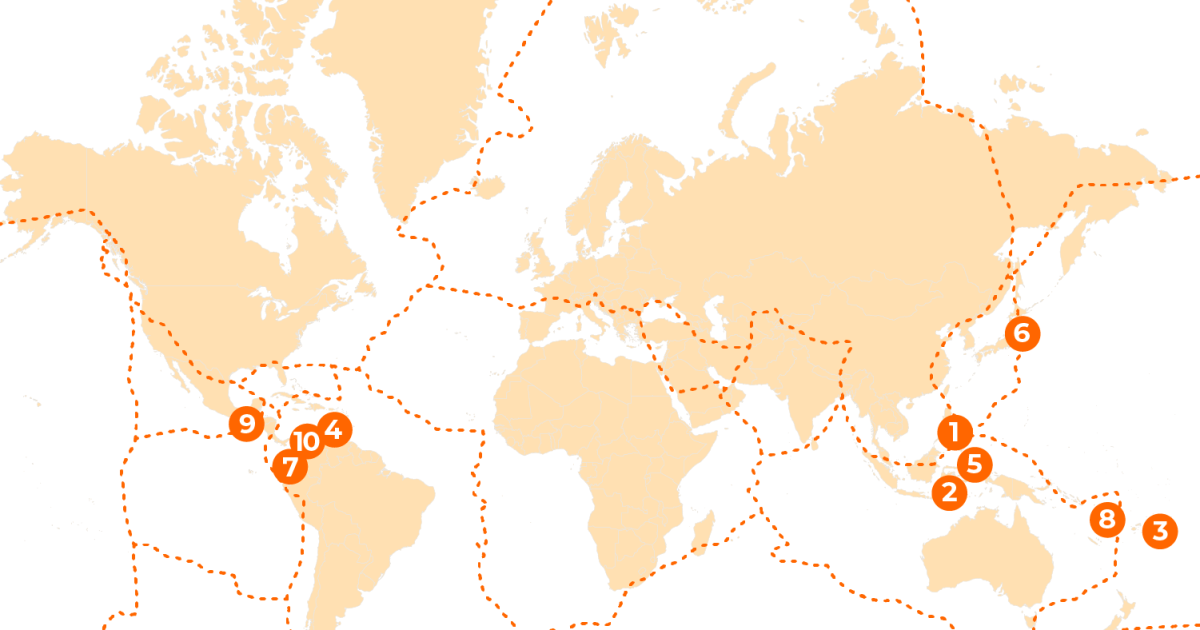
The recent spate of powerful earthquakes has reignited the debate over whether the planet is experiencing a rise in seismic activity. Over the past month, Indonesia, Colombia, and Mexico have all recorded earthquakes of magnitude 7 or higher, with tragic consequences, including hundreds of fatalities. In June, northern Venezuela was rocked by two major quakes that devastated the region.
According to data from the United States Geological Survey (USGS), approximately 20,000 earthquakes occur globally each year, translating to about 55 each day. However, the majority of these tremors are minor and go unnoticed. Damage typically becomes significant when earthquakes reach a magnitude of 6 or higher. Notably, the Philippines reported the strongest quake of 2026 so far, a magnitude 7.8 event in June that resulted in over 100 deaths.
From 2016 to 2025, the annual average for earthquakes measuring 6 or greater was 133, with the lowest number recorded at 99 in 2024 and the highest at 157 in 2021. As of mid-August 2026, there have been 91 such earthquakes worldwide, including 11 above magnitude 7—slightly more than the previous decade's average, yet still within expected limits.
The deadliness of an earthquake is not solely determined by its magnitude; factors such as depth, distance from urban centers, and building integrity play crucial roles. The most lethal earthquakes in recent history were often those that struck densely populated areas, rather than the largest ones recorded.
Scientists have determined that earthquakes occur randomly throughout the year without a predictable seasonal pattern. The USGS emphasizes that long-term tectonic stress does not conform to a 12-month cycle, making it impossible to foresee specific earthquake events. Instead, seismologists assess the probabilities of significant quakes over several years, which is essential for developing safety standards for construction and implementing early warning systems.
The Earth’s crust is made up of tectonic plates that slowly move, leading to stress build-up until it is released as an earthquake. The most active seismic region is the Pacific Ring of Fire, responsible for approximately 90 percent of the world's earthquakes, though significant quakes can also occur far from plate boundaries.
Source: www.aljazeera.com
#earthquakes #Ring of Fire #seismic activity #USGS #Venezuela