Rethinking Architecture: The Shift from Ultra-Processed Materials to Natural Options
By Editor • August 21, 2026 • 2 min read
As modern architecture continues to evolve, a critical question arises regarding the materials used in construction: are we living in a world dominated by ultra-processed elements? The answer is a resounding yes. Our homes, offices, and public buildings are frequently constructed with highly manufactured materials that include synthetic composites and volatile organic compounds (VOCs), raising concerns about health and environmental impacts.
Gina Ciganik, the CEO of Habitable, emphasizes the importance of reconsidering the substances that permeate our living spaces. 'We are, quite literally, living in a plastic world,' she states, urging a shift in material choices as the construction of 2.5 trillion square feet of real estate is projected by 2060. This awareness mirrors the growing scrutiny of processed foods and their effects on our well-being.
Architects and developers are beginning to shift towards healthier building options. Carrie Denning Jackson, head of innovation at Jamestown, highlights this change, stating, 'Making our buildings, spaces, and places healthier is the most important thing we can do for our health and the health of our families.'
Joseph Allen, director of Harvard University’s Healthy Buildings Program, identifies buildings as vital opportunities to enhance public health. He and other architects advocate for the use of natural materials, which not only foster emotional connections but also promote sustainability.
Robert Douge, co-founder of Arya Douge, points out that low-tox homes are about more than just reducing harmful substances; they also embrace individuality. He argues that while mass-produced items may appear flawless, they lack the character of unique, natural pieces. 'A piece of marble from the quarry with a unique imperfection is yours, and yours alone,' he explains.
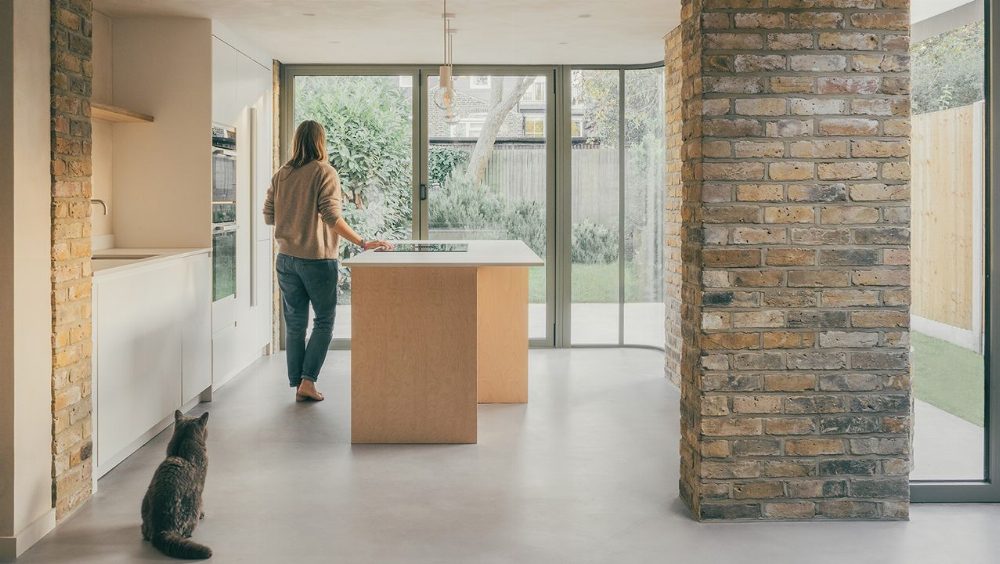
Homeowners Emma Trachtenberg and Edward Pearse Wheatley embraced this ethos during their Victorian home renovation, incorporating reclaimed materials such as a butcher's block and hand-poured tiles. This desire for uniqueness is echoed by Sam McNally of Echlin London, who encourages clients to view imperfections as part of their home’s narrative.
While natural materials offer many advantages, their integration into projects can be challenging due to cost and durability concerns. Denning Jackson notes that natural options are often eliminated from budgets, and some materials, like cork, require careful handling to prevent issues.
The healthcare sector is also seeing a transformation. The New Velindre Cancer Centre in Wales showcases how natural materials can enhance user health. Christian Dimbleby from White Arkitekter describes the use of mass timber and anti-bacterial materials like hemp and lime render, which improve air quality while meeting stringent healthcare standards.
Efforts to utilize natural materials are reshaping perceptions of what constitutes a healthy building, despite facing obstacles such as regulatory challenges and the need for experimentation. As designers and architects continue to push the boundaries of traditional materials, the industry appears poised for a significant shift towards a more sustainable and health-conscious future.
Source: www.wallpaper.com
#architecture #design #health #natural materials #sustainability