Revisiting 'New Jack City': A Cinematic Flashpoint in Westwood's History
By Editor • August 29, 2026 • 3 min read
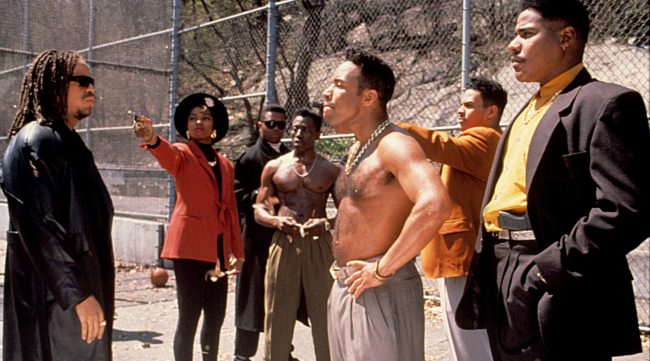
In the annals of cinema, few films have ignited a firestorm quite like Mario Van Peebles’ 1991 crime thriller, "New Jack City." As indie film enthusiasts gather for the latest IndieWire After Dark event, it's an opportune moment to reflect on how this film, despite its artistic merit, became a catalyst for chaos and racial tension in Westwood, California.
On March 8, 1991, the opening night screening of "New Jack City" at the Mann Westwood Fourplex ended in violence after a crowd of eager viewers was turned away due to oversold tickets. Among those present was then-UCLA student Ava DuVernay, who witnessed the aftermath of the riot as hundreds flooded Westwood Village, leading to smashed windows and looted shops. The incident escalated quickly, resulting in 1,500 people flooding the streets, while police were called in to manage the situation. By the end of the night, 21 businesses were damaged, nine arrests were made, and the once-celebrated film was abruptly pulled from theaters.
DuVernay reflected on the incident, suggesting that the response to the film's release was rooted in deeper racial fears. "They’re using [‘New Jack City’] as an excuse," she lamented, emphasizing that the city was apprehensive about the influx of Black patrons. This sentiment was echoed in a broader context of racial tensions simmering across Los Angeles, especially following the brutal beating of Rodney King just days earlier, which would later ignite the infamous riots of 1992.
"New Jack City" features a star-studded cast, including Wesley Snipes, Ice-T, and Chris Rock, and was set against the backdrop of the thrilling yet grim realities of drug warfare in New York City. The film's vibrant score, featuring hits from 2 Live Crew and Color Me Badd, perfectly encapsulated the era's spirit, making its screening in Westwood a fitting choice for a community often compared to New York’s Times Square.
However, the chaos that ensued highlighted a fracture in Westwood that had been building for years. The area had seen violence spill into its streets before, notably the tragic death of graphic artist Karen Toshima in 1988, which sparked increased policing and media attention. Yet, the tension between Black and Korean communities was palpable, exacerbated by incidents like the fatal shooting of 15-year-old Latasha Harlins just a week after the "New Jack City" riot, which further fanned the flames of unrest.
Despite the film's artistic achievements, the aftermath of its screening painted it as a harbinger of danger rather than a cultural milestone. The theater's operators began to proactively notify police about upcoming films deemed "dangerous," leading to an uneasy atmosphere for minority filmmakers and audiences.
As we reflect on the legacy of "New Jack City" and its tumultuous screening, it’s clear that the events of that night were symptomatic of larger societal issues. The riot did not solely empty Westwood; other commercial districts and changing consumer habits contributed to the area’s decline. Today, Westwood has four theaters compared to ten in 1991, and the excitement of its cinematic past has faded into a memory.
In a poignant reminder of Westwood's vibrant history, film enthusiasts like Jim Hemphill continue to advocate for the revival of the area. Hemphill, who interviewed Van Peebles recently, recalls the eclectic energy of Westwood during its heyday, emphasizing that the struggles and successes of the past deserve recognition and preservation.
As we celebrate the midnight screenings of films like "New Jack City," it’s essential to acknowledge both their cultural impact and the complex narratives they intertwine with. The legacy of the film and the riot that followed serves as a reminder of the ongoing dialogues about race, community, and the power of cinema to reflect societal truths.
Source: www.indiewire.com
#Ava DuVernay #LAPD #Mario Van Peebles #New Jack City #Westwood