TAKK Redefines Home Design: Moving Beyond Traditional Rooms
By Editor • August 19, 2026 • 2 min read
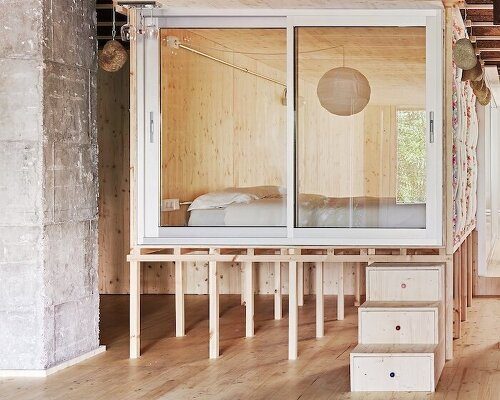
TAKK, an innovative architectural studio based in Barcelona and New York, is challenging conventional home design by questioning the necessity of fixed rooms and corridors. Founded by Mireia Luzárraga and Alejandro Muiño, the studio believes that domestic architecture doesn’t have to adhere to outdated models that no longer reflect our diverse lifestyles.
Traditionally, homes have been meticulously divided into designated spaces — bedrooms, kitchens, and living areas — interconnected by corridors. This layout, which has dominated domestic architecture for over a century, is rooted in the socio-economic structures of the modern bourgeois home. TAKK argues that such a rigid arrangement not only limits functionality but also influences dynamics within the household, often obscuring care roles and the identities of its inhabitants.
“Domestic architecture has never been neutral,” the studio states, emphasizing that the way spaces are organized can fundamentally shape interactions among residents. TAKK’s approach seeks to transform homes into environments that foster relationships and adaptability, rather than confining activities to specific rooms.
By reimagining the home as a flexible structure rather than a fixed blueprint, TAKK invites a new perspective on domestic life. They propose that the design of living spaces should revolve around facilitating interactions and care among occupants. This means considering the placement of kitchen areas, the existence of thresholds between spaces, and the suitability of shared areas for various activities.
As the traditional family model evolves, TAKK highlights the importance of designing homes that accommodate intergenerational living, shared households, and even pet residents. The studio asserts that contemporary architecture should reflect this diversity rather than adhere to pre-existing notions of family structures.
TAKK’s vision extends beyond merely redefining physical spaces; it encompasses a broader inquiry into how ecological concerns can influence architectural practices. Their work is not only about aesthetics but also about the political and material implications of home design. For instance, their contributions to the 2025 Catalan Pavilion at the Venice Architecture Biennale underscore this commitment to blending ecological awareness with architectural innovation.
The studio also advocates for a shift in our understanding of comfort within the home. Rather than maintaining a constant, uniform temperature throughout the year, TAKK suggests that homes should embrace climatic variations. By allowing spaces to respond dynamically to seasonal changes, architecture can promote a more sustainable and healthy living environment.
Ultimately, TAKK envisions a future where homes are responsive to both occupants' needs and environmental conditions. They challenge us to reconsider what we truly require for a fulfilling life and to recognize that traditional room layouts are just one approach to organizing domestic life. In this light, the home becomes less a barrier against the outside world and more a harmonious part of it, fostering a sense of coexistence with our surroundings.
Source: www.designboom.com
#architecture #climate-responsive #domestic design #flexible living #TAKK