Jason Arday's Untimely Death: A Reflection on Fame and Integrity in Academia
By Editor • August 15, 2026 • 2 min read
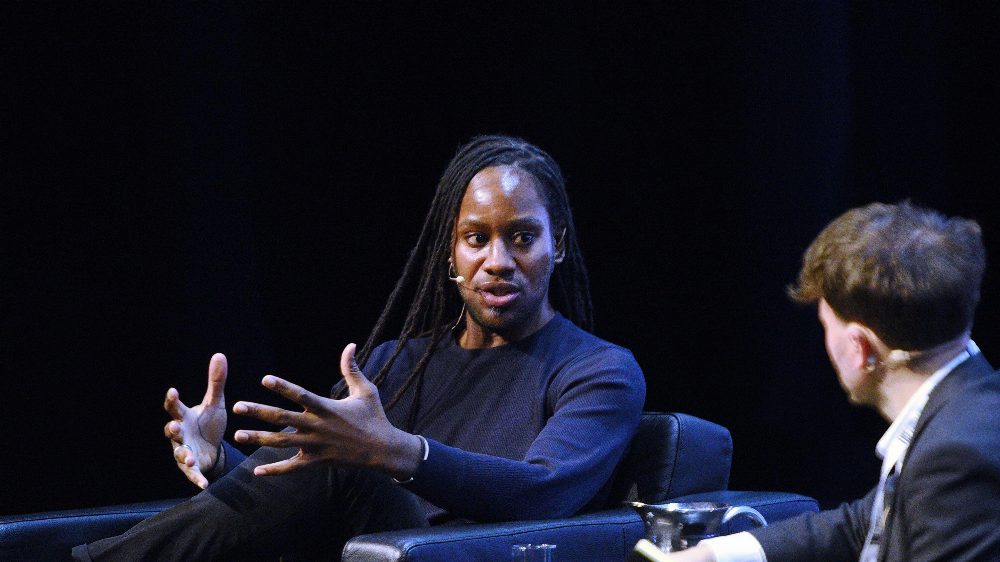
In an unexpected turn of events, Jason Arday, the youngest Black professor in the history of Cambridge, was found dead yesterday in London. His death comes on the heels of intense scrutiny regarding his academic credentials and personal narrative, which had drawn both admiration and skepticism.
Arday, who rose to fame claiming to have been mute until age 11 and illiterate until 18, had captivated many with his story of overcoming adversity. His academic journey led him to earn a Ph.D. by age 30, and he was hailed as a rising star in the sociology of education. However, recent allegations of plagiarism and deceptive claims about his life have overshadowed his achievements.
Last month, Nathan Cofnas, a former Cambridge researcher, published evidence suggesting that Arday had engaged in plagiarism. This revelation ignited a media frenzy and online outrage, particularly on social media platforms. Despite resigning from his position at Cambridge last week, Arday remained a focal point of public discourse, with reactions shifting dramatically following his death.
The stark contrast in public sentiment—where harsh criticism turned to sentimental remembrances—has raised ethical questions about the treatment of Arday’s legacy. Many argue that he should be remembered as a complex individual rather than a mere symbol of academic failure or racial discussions.
Critics have pointed out that Arday’s rise and fall reflect broader systemic issues within academia, particularly the vulnerabilities surrounding affirmative action and racial representation. Some view his story as a cautionary tale about the pitfalls of a system that might overlook integrity in favor of diversity.
Despite the controversies, Arday did manage to secure a significant book deal, with his memoir released just this week by Simon & Schuster. The publisher initially defended Arday, emphasizing his contributions to literature and academia, even amidst the mounting evidence against him.
In death, Arday has become a topic of polarized narratives; some see him as a victim of racial scrutiny, while others perceive his story as an indictment of affirmative action policies. Both perspectives highlight the complexities faced by Black individuals in elite institutions, where their successes are often scrutinized under a microscope, and their failures are amplified.
As the academic community and the public grapple with the implications of Arday’s life and legacy, it is crucial to approach his story with empathy and honesty. Arday's tragic end serves as a reminder of the pressures faced by those who navigate the intersections of race, achievement, and integrity.
Source: www.theatlantic.com