Trump's Disconnect: The Data Center Dilemma
By Editor • August 24, 2026 • 3 min read
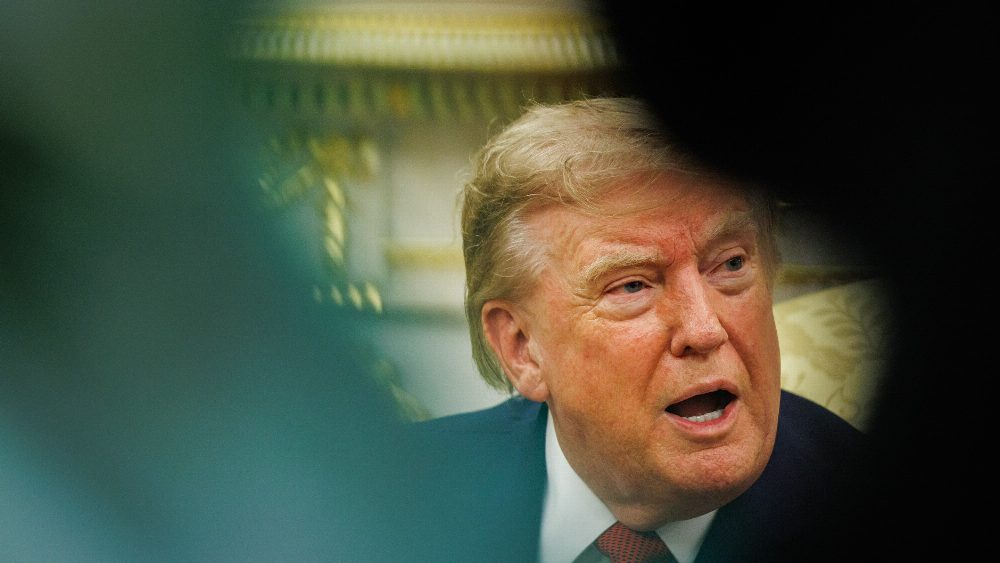
In a surprising twist, former President Donald Trump finds himself at odds with a growing consensus among voters and politicians regarding the future of data centers. While a recent poll reveals that 75% of Americans oppose the construction of data centers in their neighborhoods, Trump remains a steadfast supporter of these tech hubs.
During an interview with Michael Cohen, Trump asserted that communities rejecting data centers are making a “mistake,” arguing that these facilities generate significant jobs and tax revenue. His remarks echo a broader, yet increasingly unpopular, position he has taken amidst a shifting political landscape.
Once heralded for his ability to tap into populist sentiments, Trump now seems out of touch. His endorsement of data centers contradicts the views of many, including prominent political figures from both sides of the aisle. Notably, progressives like Representative Alexandria Ocasio-Cortez and Senator Bernie Sanders are pushing for a temporary ban on new data centers, while even conservative Texas Governor Greg Abbott has criticized the industry, stating that data center companies have “dug their own grave.”
Initially, the rationale behind supporting data centers was simple: they promised job creation and economic benefits, a sentiment that Trump championed during his presidency. However, as public opinion has soured—driven by environmental concerns and rising energy prices—politicians have begun to distance themselves from these facilities. This shift highlights Trump's misjudgment of the changing political climate.
One possible reason for Trump's disconnect is his close ties to tech executives and advisors who continue to advocate for the industry. With financial backing from tech companies, Trump’s policies have often favored their interests, creating a bubble that may have insulated him from the public's growing dissent. Additionally, his own investments in technology could further bias his perspective, leading him to overlook the backlash against data centers.
Historically, Trump's political success hinged on his ability to resonate with his base. His rallies and speeches served as a barometer for public sentiment, allowing him to adjust his rhetoric in real time. However, as his public engagements have diminished, so too has his responsiveness to voter concerns. Trump’s recent speeches have lacked the spontaneity and engagement that once characterized his style. For instance, a speech from July 2022 aimed at outlining a new policy agenda fell flat until he shifted to a more controversial topic, indicating his struggle to connect with his audience.
Furthermore, Trump has become increasingly reliant on a narrow circle of advisors who may not provide him with accurate feedback on public opinion. Reports suggest that his aide, Natalie Harp, avoids criticism and may be contributing to his detachment from the electorate. As Trump's approval ratings decline, he has begun to dismiss polling data as “fake,” further isolating himself from reality.
This growing gap between Trump and his supporters extends beyond data centers. Despite campaigning on an anti-war platform, he has launched military strikes against nations like Venezuela and Iran, failing to gauge the public's shifting sentiment on foreign intervention. As economic frustrations mount—evident in rising fuel prices—Trump has shown little awareness of voter concerns, even dismissing the struggles of American sailors on long deployments.
In a political landscape that is rapidly evolving, Trump's steadfast support for data centers stands as a stark contrast to the prevailing public sentiment. Ironically, while data centers are designed to store vast amounts of information, Trump appears increasingly detached from the very data that could inform his understanding of his base's priorities and concerns.
Source: www.theatlantic.com
#data centers #Donald Trump #environment #politics #public opinion