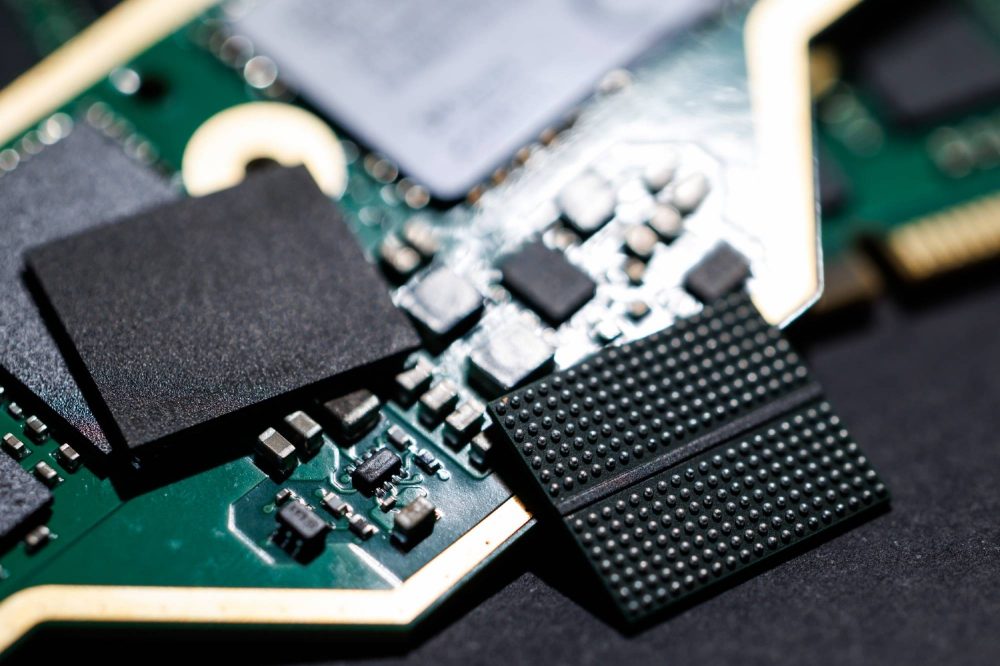
U.S. Robotics Sector Faces Competition as China Grows Despite Tariffs
By Editor • August 31, 2026 • 3 min read
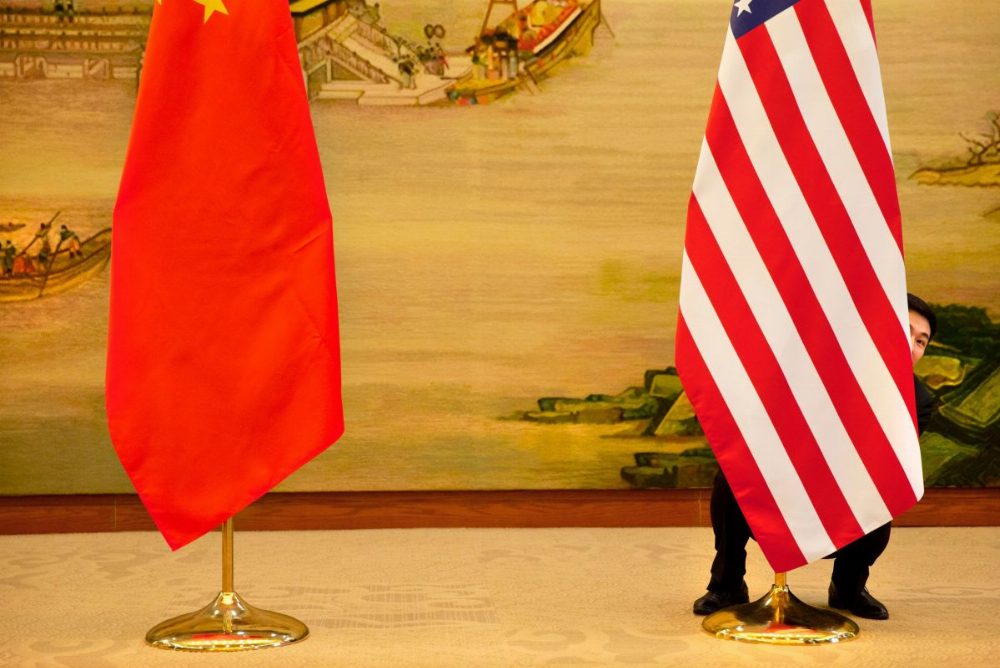
The United States has implemented new tariffs on foreign-made drones and advanced robotic systems, aimed at reinforcing national security and safeguarding the domestic market. These restrictions, which took effect in September, are part of a broader strategy to limit foreign technology influence, particularly from Chinese manufacturers who have established a stronghold in both drone and humanoid robot production.
Industry experts warn that while these tariffs may seem to protect U.S. interests, they fail to address the underlying advantages that Chinese manufacturers hold in terms of scale and cost efficiency. Ankur Saxena, an investment director at TDK Ventures, highlighted that the robotics industry does not rely on a singular technology that can be easily controlled, making the competition more complex.
China's dominance in humanoid robot manufacturing is evident, with shipments reaching 22,000 units in the first half of this year, predominantly from Chinese firms. In contrast, U.S. companies are lagging significantly in production volume, with Chinese manufacturers accounting for 86% of global humanoid robot shipments in early 2026, according to Counterpoint Research.
This cost advantage is further enhanced as Chinese companies streamline their production processes and integrate more of the technology stack in-house. For instance, manufacturers like Unitree are developing components internally, and auto companies such as XPeng leverage their existing expertise as they venture into robotics.
While the U.S. excels in areas like AI, software, and semiconductor innovation, China leads in manufacturing scale and cost, creating a challenge for American companies who find it difficult to compete on price. Saxena emphasized, "You cannot sanction your way around a cost curve. You can only out-build it, and America has yet to begin making the decade-long investment that will require."
As Chinese robotics firms look beyond the U.S. market, they target regions experiencing labor shortages and high demand for affordable automation, including parts of Europe, Southeast Asia, and Latin America. Soumen Mandal from Counterpoint anticipates these companies will follow the trajectory of Chinese electric vehicle manufacturers, expanding from domestic production to overseas markets.
The drone sector illustrates a potential future landscape for robotics, where two distinct ecosystems may emerge: one led by U.S. manufacturers focused on compliance with national security standards, and another by Chinese firms that prioritize low-cost, high-volume production. Bentzion Levinson, CEO of Heven AeroTech, noted that Western firms may struggle to compete in the consumer drone market but could excel in areas like defense and critical infrastructure.
In July, Agility Robotics expressed support for the U.S. tariffs, suggesting they could help address security issues before foreign robots become entrenched in the market. However, Saxena cautioned that the goal should not be a completely domestic supply chain, but rather a diversified approach involving allied nations.
Countries like Japan and South Korea, with their rich histories in robotics and manufacturing, could serve as alternatives to Chinese production. However, experts agree that Chinese components will continue to play a substantial role in the global robotics ecosystem. The future may not see two wholly separate U.S. and Chinese robotics industries, but rather a more fragmented landscape where regional markets thrive.
Source: techcrunch.com