U.S. Sanctions Against Iran: A Dilemma of Threats and Consequences
By Editor • August 25, 2026 • 3 min read
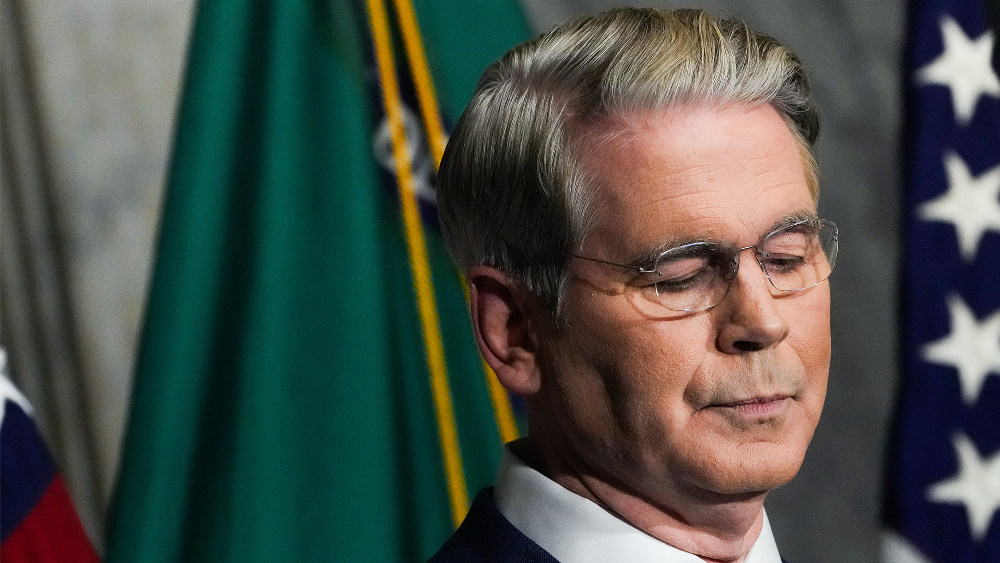
The United States Treasury is ramping up its rhetoric against Iran, promising the most stringent sanctions in history aimed at crippling the nation’s economy. However, Treasury Secretary Scott Bessent's reluctance to name key players like China and Russia raises questions about the effectiveness of these measures.
During a press briefing in Washington, Bessent discussed the impending implementation of secondary sanctions, which would penalize entities worldwide that conduct business with Iran. Despite the strong language, he was cautious about the repercussions of such actions, particularly on the global financial system. "Why would I want to blow up the global financial system?" he asked, hinting at the complexities involved in following through with threats against powerful nations.
This hesitation comes amid a backdrop of heightened tensions, as President Trump recently warned of unprecedented economic warfare against Iran should it fail to comply with U.S. demands. Yet, the administration's past warnings have often lacked follow-through, revealing a narrow set of options in dealing with Tehran. The military targets have dwindled, and munitions stockpiles are running low, leaving sanctions as one of the few remaining strategies.
Historically, the U.S. has aimed to restore maximum pressure on Iran since Trump took office, seeking to diminish its oil exports and economic capabilities. Eighteen months in, Bessent's statements suggest a sequel to the maximum pressure campaign, yet the results have been mixed at best. Despite ongoing sanctions, Iran has not capitulated and continues to engage in military activities.
In a recent post on Truth Social, Trump reiterated that any country providing support to Iran would face significant economic consequences. His message was clear: the U.S. is prepared to punish nations that do not comply with its sanctions. However, as Bessent acknowledged, compliance from China and Russia remains uncertain, with both nations signaling a reluctance to align with U.S. demands.
China's embassy in Washington responded to inquiries by stating that "sanctions and pressure tactics do not help in resolving issues," underscoring a commitment to protect its interests. Meanwhile, Russia, which also benefits from U.S. military actions in the region, has not publicly addressed the threats.
Despite these challenges, there have been some successes for the U.S.; for instance, the United Arab Emirates recently announced it would cease all trade with Iran. Bessent implied that this move was influenced by the U.S. administration’s pressure tactics.
Yet, the broader implications of enacting secondary sanctions could be severe, as experts warn that such measures may disrupt the global economy. Jason Prince, a sanctions attorney, emphasized that while secondary sanctions could be effective, they present significant risks. The U.S. economy is already under strain, with rising inflation and public discontent over the prolonged conflict.
As the midterm elections approach, the Biden administration faces a challenging landscape. With public support for military action against Iran dwindling—only 31 percent of Americans currently support it—Republicans may be wary of further economic pain. The stakes are high, and the administration's credibility hinges on its ability to implement effective sanctions without triggering a global financial crisis.
Source: www.theatlantic.com