Ukraine's Farmers Face Dire Consequences from Renewed Black Sea Blockade
By Editor • August 24, 2026 • 3 min read
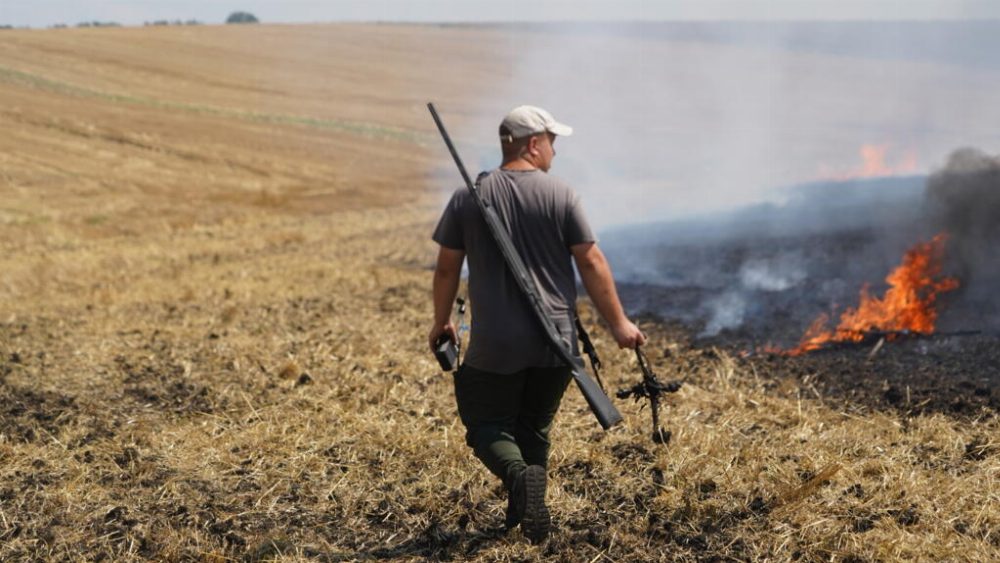
As tensions between Ukraine and Russia escalate, the Black Sea blockade has left Ukrainian farmers in an increasingly precarious position. With the harvest season in full swing, the vital shipping route for grain exports has been effectively shut down, exacerbating the challenges faced by the agricultural sector.
In a bid to counter Russia's aggressive advances in the Donbas region, Ukraine has launched a series of drone strikes deep into Russian territory, targeting critical infrastructure, including oil refineries and warehouses. This campaign, described by President Volodymyr Zelensky as a "40-day campaign," aims to disrupt Moscow’s economic lifelines and bolster Ukraine’s defensive efforts.
However, in retaliation, Russia has ramped up its attacks on Ukrainian grain terminals, particularly around the Black Sea city of Odesa, endangering any remaining shipping activities. Both nations have targeted each other's commercial vessels and export facilities, creating a stalemate that has left farmers with dwindling options for their harvests.
President Putin's recent statements highlight the gravity of the situation, accusing Ukraine of unleashing "Pandora’s box" and vowing to target key sectors of its economy, including agriculture. With Ukraine being a leading global exporter of wheat and corn, the blockade's impact is severe, as it accounts for 90% of its agricultural exports.
Despite efforts from Kyiv to negotiate a truce allowing civilian vessels safe passage, Zelensky reported that Russia has dismissed these propositions. Instead, Moscow has demanded that Ukraine cease its drone campaign in exchange for any agreements regarding the Black Sea.
According to Oleh Nivievskyi, an associate professor at the Kyiv School of Economics, the blockade's repercussions are disproportionately heavy on Ukraine. While Russia also exports grain, its economy relies primarily on the energy sector, making agriculture less critical compared to Ukraine, where it comprises a significant portion of the economy and exports.
Historically, the Black Sea has been a crucial trade route for agricultural products, with both Russia and Ukraine accounting for over a quarter of global agricultural exports. The blockade echoes the early months of Russia's invasion, during which millions of tonnes of grain were stranded in Ukrainian ports, leading to soaring global food prices and warnings of famine in reliant regions.
The 2022 Black Sea Grain Initiative temporarily eased restrictions by establishing safe passage for food shipments, but this agreement faltered as Russia withdrew amid continued Western sanctions. Currently, the situation is dire, with Ukraine's grain exports plummeting by 75% year-on-year in early August, raising urgent questions about storage capacities for the impending harvest.
With the corn harvest on the horizon and farmers having already gathered over 28 million tonnes of grains, concerns are mounting over limited storage options and falling domestic prices. Agriculture Minister Taras Vysotsky warned that Ukraine could face a storage shortfall of up to 11 million metric tonnes.
This situation puts immense pressure on farmers, many of whom depend on the sale of this year's harvest to fund the next planting season. Nivievskyi noted that typically, about 50% of the harvest revenue is reinvested into purchasing seeds and other materials for autumn planting. With reduced sales options and lower prices, many farmers are left questioning whether it is worth bringing in their harvests at all.
While Russia attempts to redirect its grain shipments through alternative routes, such as the Caspian and Baltic Seas, Ukraine faces significant hurdles. The Danube River, another critical export route, has been affected by droughts, further complicating the situation as Russian attacks continue on its ports.
Source: www.france24.com