US Sanctions on Iran Send Shockwaves Through Global Markets
By Editor • August 24, 2026 • 3 min read
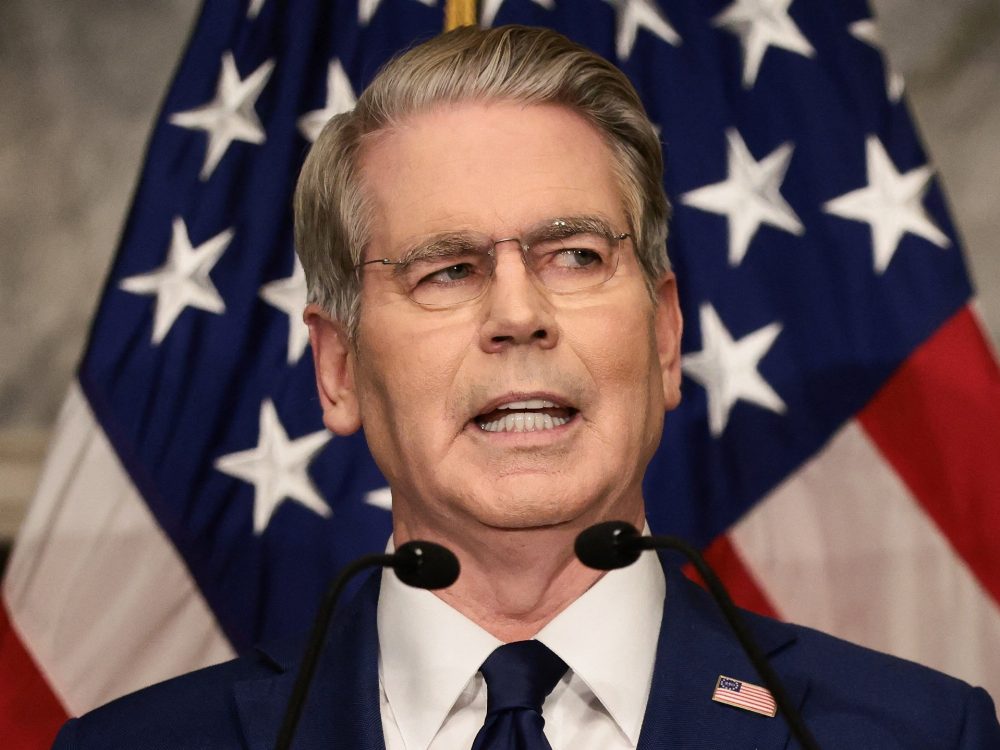
The recent economic sanctions imposed by the Trump administration on Iran are reverberating through global markets, with significant implications for consumers and trading partners alike. US Treasury Secretary Scott Bessent labeled the sanctions as an 'economic D-Day,' marking a pivotal moment in the ongoing confrontation with Tehran as it approaches the six-month mark.
The sanctions, announced on Monday, are aimed squarely at crippling key sectors of the Iranian economy, including oil, gas, aviation, and shipping. In a move designed to pressure other nations, Bessent called on the global community to sever ties with Iran, which he claimed has become increasingly isolated.
Among the most notable aspects of these sanctions are the penalties targeting 60 specific individuals and vessels linked to Iran’s economic activities. Bessent warned that countries such as Singapore, China, and Hong Kong could face secondary penalties for maintaining trade relations with Iran, further tightening the noose around Tehran’s economy.
Analysts like Peiman Salehi from Tehran suggest that Iran now has significantly less flexibility to navigate around these sanctions than in previous years. Meanwhile, Rachel Ziemba from the Center for a New American Security described the sanctions as mostly incremental but said they are part of a broader strategy to intimidate remaining trading partners.
Among the measures, the Treasury Department is focusing on Iran’s burgeoning use of cryptocurrency to bypass sanctions, as well as its reliance on gold to stabilize its currency amid persistent economic turmoil. The sanctions also target Iran’s state-linked shipping fleet, which is allegedly involved in transporting oil and sensitive military components.
In a significant shift, Washington has indefinitely suspended exceptions that had previously allowed for academic exchanges and personal remittances, requiring organizations involved in these activities to cease operations by September 8. Ziemba emphasized that these sanctions would have a more pronounced impact on ordinary Iranians rather than just the regime.
Historically, US sanctions have been a fixture of American foreign policy toward Iran since 1979, with various intensifications, particularly after the US exited the 2015 nuclear deal under President Trump. The latest sanctions are part of an ongoing effort to disrupt Iran's oil exports, which have been a lifeline for its economy.
The ramifications of these sanctions extend beyond Iran’s borders, with global oil markets feeling the pressure. China, which imports about 90% of Iran’s crude oil, has already begun to adjust its strategies. The sanctions have tightened global oil supplies, contributing to rising fuel prices. The American Automobile Association (AAA) reports that gasoline prices have surged to an average of $4.09 per gallon, significantly up from $2.98 earlier in the year.
Experts warn that escalating tensions could lead to further retaliatory actions from Iran, potentially exacerbating the situation for American consumers through increased gas prices and inflation. John Deal from Post Oak Group cautioned that any Iranian retaliation could swiftly affect Americans’ daily lives, particularly through rising freight and air travel costs.
As the US heads toward midterm elections, the economy and the Iran situation are shaping up as crucial issues for voters, with dissatisfaction growing. Polls indicate a significant portion of the American public is wary of how the current administration is handling these matters, putting pressure on Republicans in traditionally conservative areas.
Financial markets are already reacting, with gold prices rising sharply amid uncertainty and oil prices pulling back after weeks of increases. The Dow Jones showed modest gains, while other major indices reflected mixed responses to the latest sanctions news.
Source: www.aljazeera.com