Walmart Embraces 3D Printing to Revolutionize Store Expansion
By Editor • August 24, 2026 • 2 min read
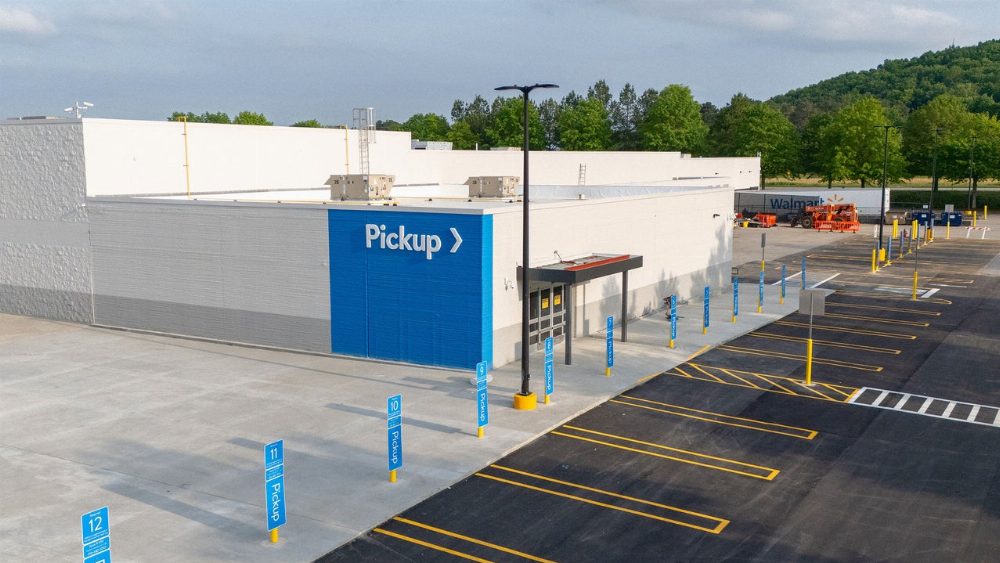
Walmart is stepping into the future with a groundbreaking approach to construction, adopting 3D printing technology to enhance its store expansion efforts. This innovative method has been in play for the past two years, with various additions to existing stores completed across Tennessee, Missouri, Alabama, and Arkansas, marking a significant milestone as the largest deployment of 3D-printed architecture in the commercial sector.
The retail giant has partnered with Alquist, a maker of robotics-enabled printers, and FMGI, a contractor with extensive experience in retail construction. This collaboration aims to optimize the building process, allowing for faster and more cost-effective expansions. Darin Ross, FMGI's CEO, expresses enthusiasm for this shift, stating that the construction industry has long lagged in adopting new technologies. "For 30 years, I’ve watched the construction industry just do it the same way over and over," he noted.
Walmart's pilot project began in September 2024 in Athens, Tennessee, where the walls of an 8,000-square-foot store expansion were constructed using Alquist's cutting-edge 3D printers. This project not only demonstrated the potential of 3D printing but also provided a solution to handle increasing online order pickups and deliveries. This expansion quickly became the largest 3D-printed commercial structure in the United States.
The transition from traditional masonry to 3D printing involved a steep learning curve for FMGI, particularly in mastering the rail-mounted robotic printer that extrudes concrete layers. Initial challenges included temperature control during construction, especially in extreme weather conditions. Despite these hurdles, the process has shown significant time and cost advantages, cutting production time by a third and reducing costs by 15%.
FMGI is committed to expanding its use of this technology, with more than 30 projects planned through 2027, including standalone fuel stations and additional store expansions. The company is also in discussions to create a 50,000-square-foot grocery store that would be the largest 3D-printed building globally.
Source: www.fastcompany.com