Water Woes: Naivasha Residents Fear AI Project's Impact on Resources
By Editor • August 24, 2026 • 3 min read
In the heart of Naivasha, Kenya, the delicate balance between technological advancement and essential water needs hangs in the balance. Residents are grappling with the reality that their lifeline—water—is under threat as major industrial projects loom on the horizon.
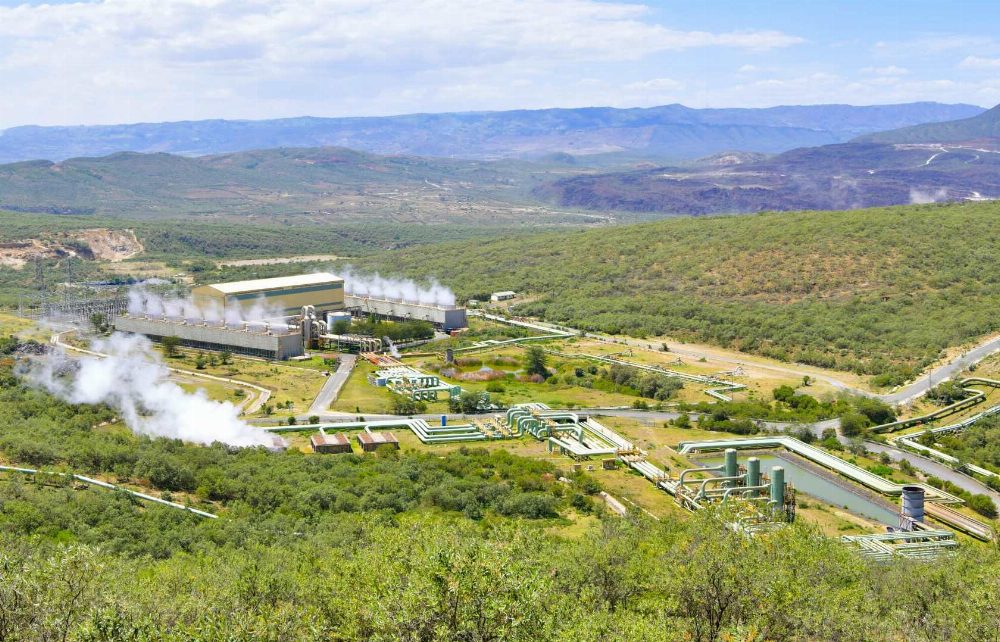
The proposed data center by Microsoft and UAE-based G42, announced in 2024, was intended to be a cornerstone of a $1 billion digital investment in Kenya, powered entirely by renewable geothermal energy. However, plans for the facility have stalled due to concerns over power capacity and the potential strain on local water resources.
For locals like Musa Olorkedienye, the implications are dire. Water scarcity is a daily struggle, and he notes that the community has already seen a decline in the reliability of piped water supplies from the Kenya Electricity Generating Company (KenGen). “We are relying on water vendors to get water, our animals are walking for kilometres, and we fear things could get worse as demand for water rises,” he lamented.
The region around Olkaria, where the data center is planned, is not only known for its geothermal energy but also for its freshwater lake, which supports agriculture, livestock, and domestic use. Grace Kimani, a patrol leader in the area, pointed out that the increasing demands from a new industrial user could exacerbate existing water shortages, especially during dry spells.
Despite the promise of job creation and investment, Kimani stressed the need for transparency regarding the project’s water consumption. “We need sustainable practices, including water recycling and community involvement in monitoring,” she urged, highlighting that the exact water requirements for the data center remain undisclosed.
Silas Wanjala from the Lake Naivasha Riparian Association echoed these concerns, emphasizing that the region heavily relies on groundwater, which is already under pressure. “These industries will consume a lot of water at a time when rivers are drying, and demand for water is on the rise,” he warned.
Past fluctuations in Lake Naivasha’s levels serve as a stark reminder of the potential consequences of over-abstraction. In 2010, the lake nearly dried up, a scenario that could repeat itself if water consumption by new investors continues to escalate.
As the population grows, so does competition for the limited water resources. The Food and Agriculture Organization notes that Kenya has about 527 cubic meters of freshwater available per person, significantly below the 1,000-cubic-meter threshold for water scarcity, and this figure could drop further by 2030.
While the technology sector promises economic benefits, local residents like farmer Eskimos Kobia express concern about the ripple effects of increased demand. “Farmers, pastoralists, schools, and investors will all face greater pressure as demand increases,” he stated.
Geologist Kenyatta Otieno sees potential in the proposed data center to set a precedent for future developments by incorporating water conservation measures. He recalled how previous industrial activities had negatively impacted the lake's ecosystem and hoped that this project could include monitoring resources to guide sustainable practices.
As the situation stands, the regulatory bodies responsible for managing water resources in Kenya have yet to provide insights into the project. The uncertain future of the Microsoft-G42 data center has left many in Naivasha wondering if progress in technology will come at the cost of their most vital resource.
Source: www.aljazeera.com
#G42 #geothermal energy #Microsoft #Naivasha #water scarcity