Wildfire Smoke Poses New Prenatal Health Threats, Surpassing Traditional Pollution
By Editor • August 16, 2026 • 2 min read
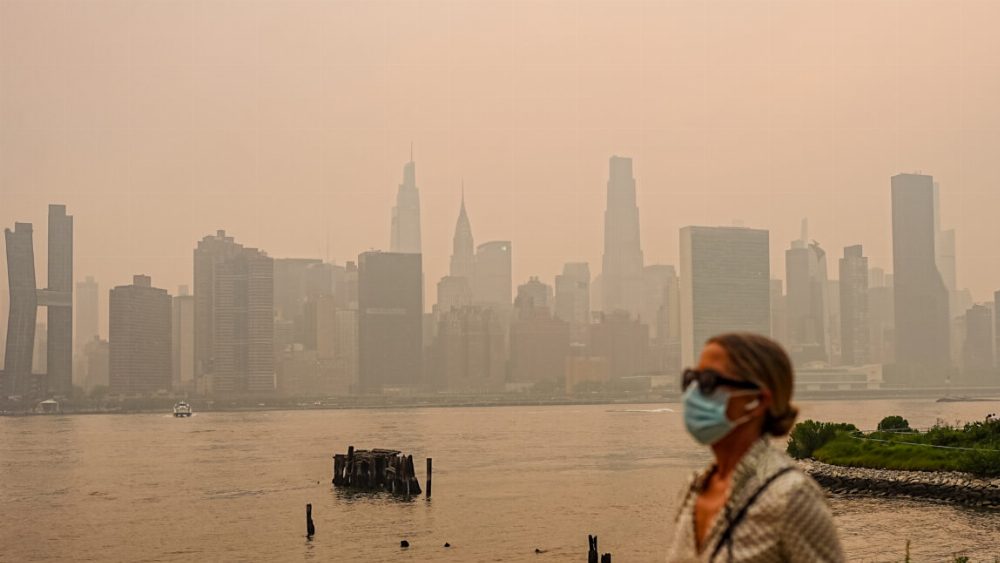
While the Clean Air Act of 1970 led to an impressive reduction in harmful air pollutants, a concerning new study reveals that wildfire smoke is now overshadowing these gains, particularly affecting the most vulnerable: unborn babies.
Researchers at the University of Maryland, College Park, published findings indicating that smoke from wildfires is increasingly contributing to unhealthy air quality for pregnant women, systematically reversing the progress made in reducing emissions from industrial sources and vehicles. The study, which appears in Frontiers in Environmental Health, highlights the disproportionate impact of wildfire smoke on low-income, rural, and Indigenous populations.
Senior author Michel Boudreaux, an associate professor of health policy and management, emphasizes the significance of this research, which focuses on the prenatal period. The data suggests that exposure to wildfire smoke during pregnancy significantly raises the chances of preterm births and low birth weights, potentially leading to long-term health issues for infants.
The study analyzed air pollution trends across the contiguous United States from 2003 to 2019, using Environmental Protection Agency data and live birth records to model prenatal exposure to fine particulate matter (PM2.5). Although emissions from human sources have decreased by 37 percent during this period, contributions from wildfires have doubled, negating these positive outcomes.
Ilona Jaspers, an inhalation toxicologist at the University of North Carolina, lauded the study's approach, stating it confirms the increasing dominance of wildfire-related PM2.5 in the U.S. air quality landscape. Jaspers noted the pressing public health implications, particularly concerning childhood respiratory diseases linked to early exposure to wildfire smoke.
While the study does not delve into specific birth outcomes, it underscores the urgent need to understand and mitigate prenatal exposure to wildfire smoke. Boudreaux acknowledges limitations, such as not accounting for mothers' outdoor activities or use of protective measures like N95 masks, but points out the concerning levels of PM2.5 detected indoors due to wildfire smoke.
Regions in the West and Northwest have seen the most dramatic increases in wildfire contributions to air pollution, particularly affecting communities with limited access to neonatal care. Boudreaux warns that if the study were extended to 2026, the contribution of wildfires to prenatal exposure could be even more pronounced, calling for a shift in public health strategies to manage this new type of pollution.
Source: arstechnica.com
#air pollution #clean air #prenatal health #University of Maryland #wildfire smoke