YouTube Lures Creators with Exclusive Deals to Counter Netflix's Influence
By Editor • August 20, 2026 • 2 min read
YouTube is stepping up its game to retain its top creators by offering lucrative financial incentives aimed at keeping their content exclusive to the platform for a limited time. This move comes as Netflix intensifies its efforts to attract popular YouTubers, threatening to shift the balance in the streaming video landscape.
The platform is reportedly discussing several compensation structures with creators, including funding specific programs and sharing revenue from significant brand partnerships. Although no deals have been finalized, YouTube is nearing agreements with multiple creators, according to insiders familiar with the negotiations.
In a bid to discourage creators from collaborating with Netflix, YouTube warns that those who choose to cross-post their content on both platforms may face repercussions. This includes reduced visibility in YouTube marketing campaigns and exclusion from lucrative brand deals.
Netflix has been actively courting well-known YouTubers, signing deals with creators such as Alan Chikin Chow and Nick DiGiovanni, allowing them to post videos on both platforms simultaneously. While the allure of additional earnings and exposure to Netflix's vast audience of over 325 million subscribers is appealing, some creators are hesitant due to the platform's demands, such as early content submission and restrictions on brand sponsorships.
Historically, YouTube and Netflix have coexisted as leaders in streaming, each occupying distinct niches. YouTube excels in user-generated content, while Netflix has focused on high-budget films and series. However, the lines between the two have begun to blur, with YouTube increasingly targeting television audiences and securing rights to major live events.
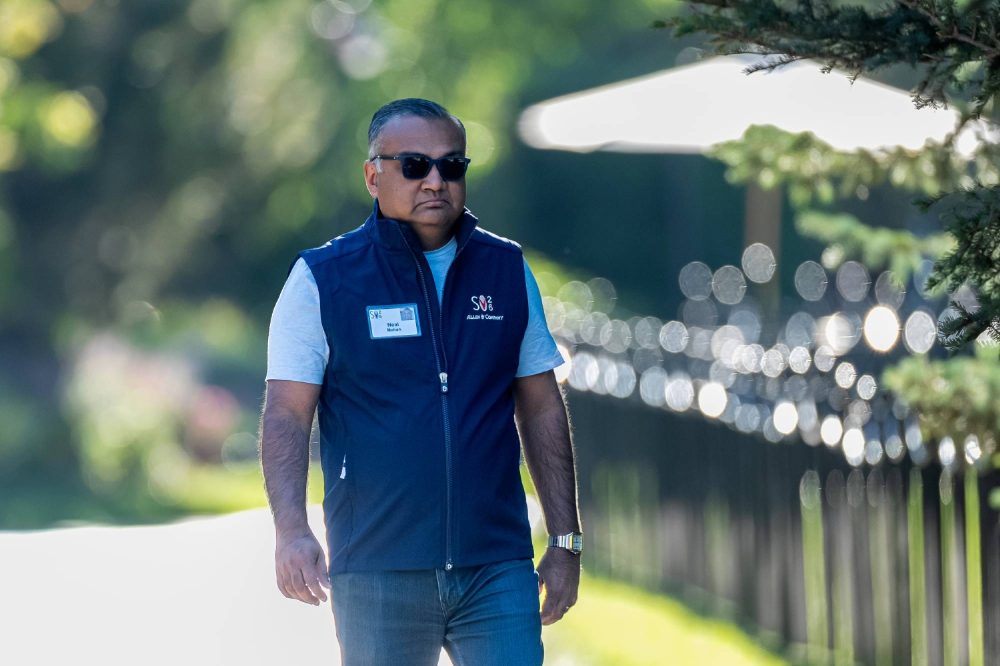
As competition heats up, YouTube's CEO Neal Mohan recognizes the impact that creators signing with competitors can have on viewer engagement, maintaining that many will ultimately remain loyal to YouTube as their primary platform. Despite the pressure, YouTube is cautious not to appear as a traditional studio, preferring to foster a diverse range of creators without alienating those who do not receive funding.
Source: www.japantimes.co.jp