US Imposes Sanctions on ICC Officials Amidst Tensions
By Editor • August 20, 2026 • 2 min read
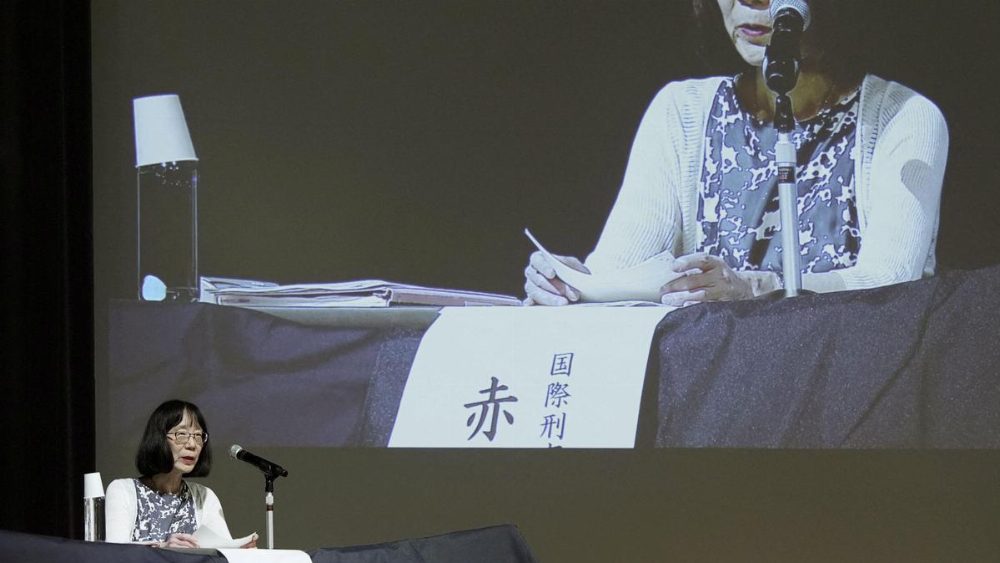
In a significant move that underscores increasing tensions between the United States and the International Criminal Court (ICC), the Trump administration has announced sanctions against two high-ranking ICC officials. The sanctions were revealed on August 18, 2026, targeting ICC President Tomoko Akane of Japan and senior trial lawyer Abdoulaye Seye of Senegal.
U.S. Secretary of State Marco Rubio stated that the sanctions were a response to the officials' involvement in the ICC's investigations and prosecutions of individuals from countries that do not recognize its jurisdiction. Although specific individuals were not named, the timing aligns closely with the ICC's issuance of arrest warrants against Israeli Prime Minister Benjamin Netanyahu and former Defence Minister Yoav Gallant, which have drawn sharp criticism from the U.S.
These sanctions fall under Executive Order 14203, enacted on February 6, 2025, and have been described by the ICC as a “flagrant attack” on the independence of an impartial judicial institution. The ICC, headquartered in The Hague, was established to prosecute severe crimes such as genocide and war crimes, and operates based on the Rome Statute, which has 137 signatories but notably excludes both the U.S. and Israel, despite their signatures.
Rubio emphasized that the ICC has repeatedly attempted to assert authority over U.S. nationals, setting a precedent he described as dangerous. Following the arrest warrant for Netanyahu issued in November 2024, the U.S. government expressed that such actions threaten its sovereignty and national security, labeling the ICC's jurisdictional overreach as unacceptable.
With this latest round of sanctions, the U.S. has now targeted nine of the ICC’s 18 judges and both deputy prosecutors, as well as a former chief prosecutor. The sanctions also extend to organizations collaborating with the ICC and are aimed at pressuring countries to withdraw from the court. Recent withdrawals have included Venezuela, Chad, Mali, Burkina Faso, and Niger, raising concerns about the ICC’s future viability.
The sanctions will restrict the targeted officials’ ability to travel to the U.S. and access its financial systems, which could significantly impact their daily lives. Canadian judge Kimberly Prost, who was sanctioned in the past, reported losing access to her credit cards and other services.
In response, Netanyahu hailed the sanctions, criticizing the ICC as a “kangaroo court.” Conversely, Japan expressed disappointment at the sanctions, reaffirming its commitment to the ICC and the rule of law. UN Secretary-General Antonio Guterres and other European leaders condemned the sanctions, emphasizing the importance of maintaining the ICC’s independence.
Tomoko Akane, who has been a judge at the ICC since 2018 and its president since 2024, has faced similar retaliatory measures before, including from Russia after the ICC issued an arrest warrant for President Vladimir Putin. Following that incident, Akane remarked on the ease of replacing judges, suggesting that targeting judicial figures holds little value.
Source: www.thehindu.com
#International Criminal Court #Israel #Marco Rubio #sanctions #Tomoko Akane #U.S. foreign policy