Contrasting Views on U.S.-Mexico Relations Emerge Amid Trump Administration Tensions
By Editor • September 3, 2026 • 3 min read
The Trump administration's stance on Mexico is marked by a striking divide that reveals itself in both public pronouncements and behind-the-scenes discussions. Ronald D. Johnson, the U.S. ambassador to Mexico since spring 2025, paints a rosy picture of cooperation between the two nations, focusing on joint efforts to combat drug cartels, address illegal immigration, and bolster trade. His social media posts brim with optimism, highlighting recent achievements such as tackling the screwworm pandemic and expanding soybean exports, all under the banner of his hashtag #TogetherWeAchieveMore.
However, this optimistic view sharply contrasts with the perspective held by some of Johnson's colleagues within the Trump administration, particularly Stephen Miller. Miller depicts Mexico as a country overrun by cartels and incapable of protecting its citizens from violence and drug trafficking. His rhetoric suggests that intervention may be necessary, raising alarms about the government's effectiveness in tackling these issues.
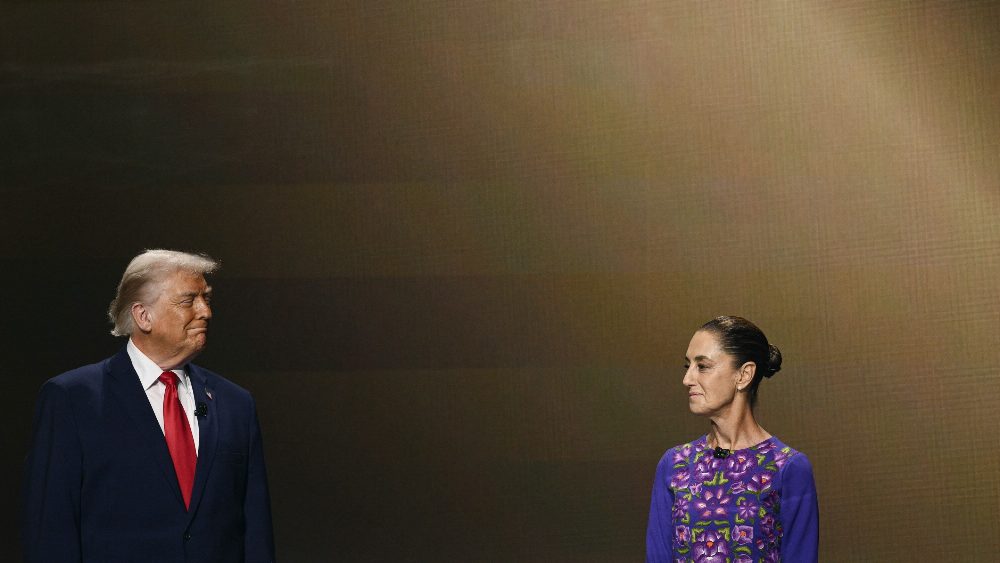
Mexican officials have grown accustomed to this conflicting narrative, referring to it as a “doble discurso,” or double talk. President Claudia Sheinbaum noted the mixed messages from the U.S. government, explaining that while some meetings indicate strong cooperation, others hint at a more aggressive stance. This duality was evident during a recent meeting between Secretary of State Marco Rubio and Mexican Foreign Minister Roberto Velasco, where Rubio expressed dissatisfaction with Mexico's efforts to control migration.
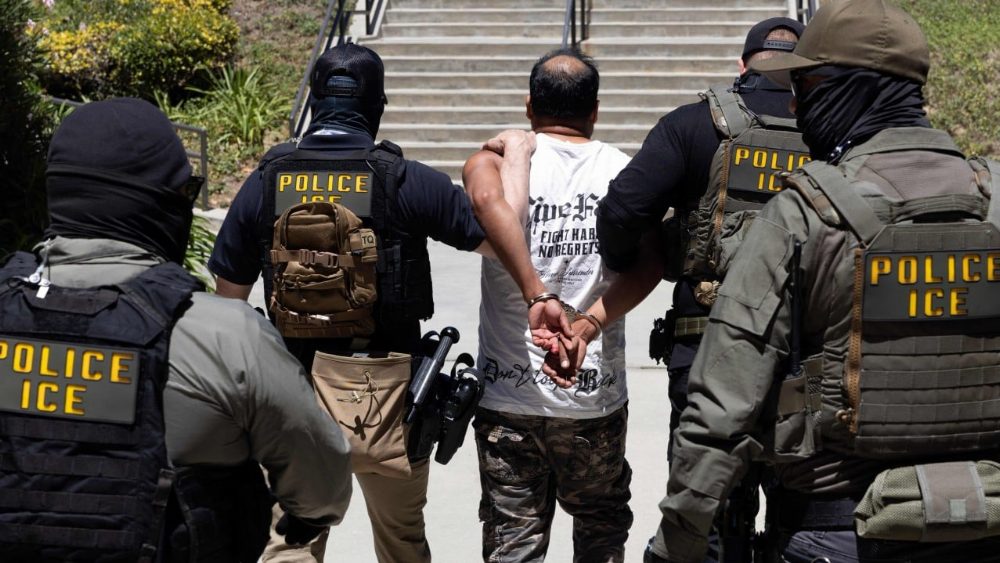
According to U.S. Border Patrol data from July, more than half of the apprehended individuals were Mexican nationals, prompting U.S. officials to question Mexico's commitment to curbing migration. Mexican officials counter that they have already made significant contributions to immigration enforcement despite the challenges they face in deterring their own citizens.
Johnson asserted that the Rubio meeting demonstrated a commitment to halting illegal migration, yet the reception was less than favorable. Rubio's post-meeting comments emphasized the need for robust action against illegal immigration and drug trafficking, echoing sentiments expressed by the White House that criticize Mexico's handling of cartels.
The ongoing negotiations surrounding the USMCA trade agreement add another layer of complexity to the U.S.-Mexico relationship. With tensions rising over immigration policies, Miller has suggested leveraging the trade deal to push Mexico for more stringent immigration enforcement. This potential tactic creates fears that the economic relationship could be jeopardized, with significant consequences for all three nations involved.
Despite the discord within the U.S. administration, some U.S. law enforcement officials stationed in Mexico have praised the recent improvements in security cooperation. Since Sheinbaum's election in 2024, Mexico has acted on U.S. intelligence to arrest cartel leaders and has facilitated extraditions of numerous criminals. Nonetheless, critics argue that these measures are not sufficient, particularly those aligned with Miller's hardline views.
As discussions continue, the stakes of the USMCA negotiations may transcend mere economic considerations. If the Trump administration chooses to prioritize its immigration and security agenda over trade relations, it could reshape the fundamental dynamics of North American commerce. This potential shift places Mexico in a precarious position, where trade negotiations could transform into a bargaining tool for U.S. political demands.
Source: www.theatlantic.com
#immigration #trade #Trump administration #U.S.-Mexico relations #USMCA