Embracing Smaller Parties: A Path to Political Diversity in South Africa
By Editor • September 13, 2026 • 2 min read
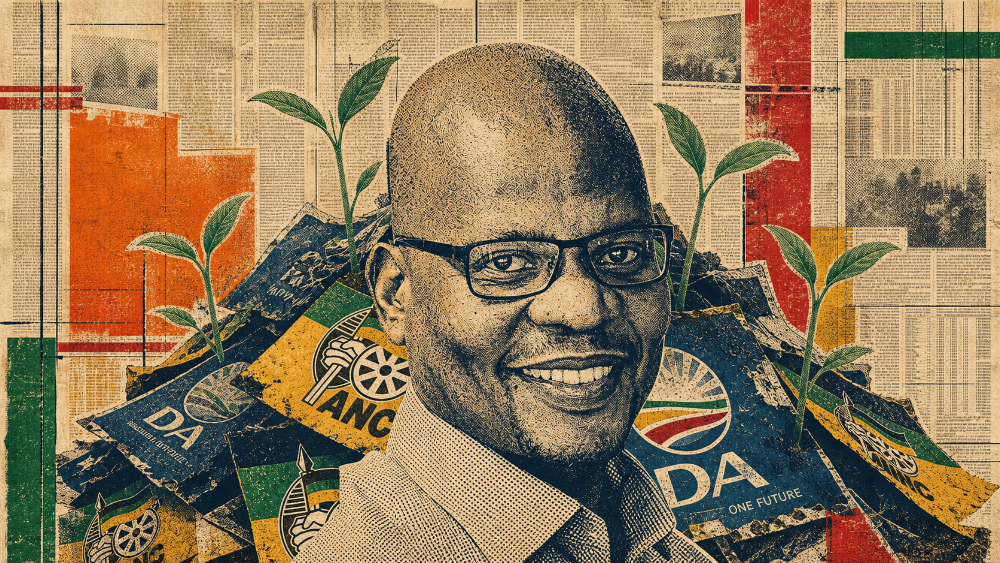
As the political landscape in South Africa continues to evolve, the conversation around smaller parties is gaining traction. Contrary to the notion that voting for these parties is a waste, they can play a vital role in shaping the future of the country's democracy.
Shifting Political Dynamics
The recent electoral successes of smaller, often marginalized parties across the globe highlight a significant trend. In Germany, the Alternative for Germany (AfD) party unexpectedly garnered nearly 44% of the vote in Saxony-Anhalt, showcasing a shift in voter sentiment. Similarly, the UK’s Reform UK has surged ahead in polls, positioning itself as a potential government contender despite having only a few Members of Parliament. In France, the National Front is now a formidable political force, inching closer to presidential power.
The Case for Smaller Parties in South Africa
In South Africa, the discourse around smaller political parties has often been dismissive, viewed as mere distractions to the larger ANC and DA narratives. Both parties have historically discouraged support for smaller entities, fearing they could siphon votes and diminish their political clout. The ANC, having seen its dominance wane from over 60% to around 40%, remains wary of splinter parties that could further weaken its position. On the other hand, the DA has sought to consolidate opposition votes, often at the expense of smaller players.
Potential for Balance and Growth
Despite these challenges, the emergence of smaller parties represents a crucial opportunity for voters disenchanted with the traditional political giants. These parties have provided a voice for diverse communities and can help maintain political engagement among those feeling alienated. For instance, African voters who once supported the ANC and white voters associated with the DA are now seeking alternatives, pushing for representation that aligns more closely with their needs.
The future of South Africa’s political landscape may not lie in a single dominant party but rather in a coalition of various voices. As we look towards the 2029 elections, smaller parties could significantly influence the political balance, and their growth could ultimately lead to a more representative democracy.
Source: www.dailymaverick.co.za
#democracy #elections #politics #small parties #South Africa