Niger's Failed Mutiny Reveals Heavy Dependence on Russian Support
By Editor • September 14, 2026 • 2 min read
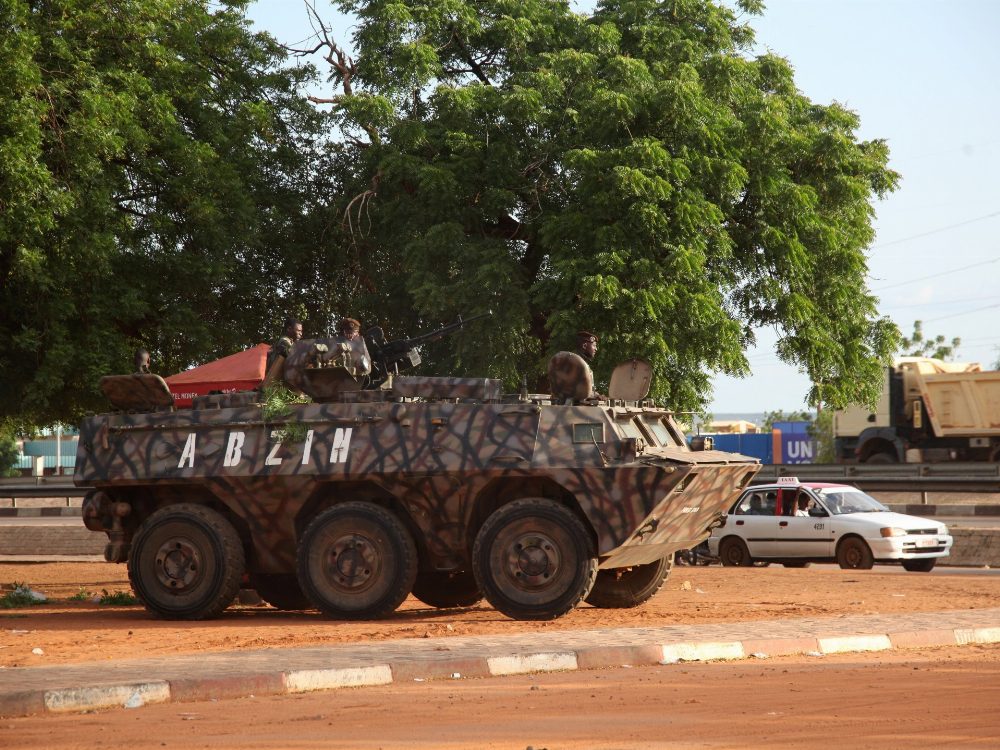
In a dramatic turn of events, a failed mutiny in Niger has illuminated President Abdourahamane Tiani's increasing reliance on Russian support amid internal threats to his government. The incident, which occurred on August 29, involved soldiers from the Armed Forces for the Restoration of the Homeland, who launched a coordinated attack on key government sites including Air Base 101, the presidential palace, and the national broadcaster.
While loyalist forces managed to secure the palace, assistance from around 200 Russian Africa Corps soldiers, equipped with drones and reinforcements from Mali and Libya, was pivotal in regaining control of the airbase. The clashes resulted in at least 27 fatalities and the arrest of approximately 100 mutineers, underscoring a significant crisis within Niger's military ranks.
Internal Discord and Military Discontent
Ryan Cummings, head analyst at Signal Risk, pointed out that the attempted coup reflects deep-seated grievances within the Nigerien armed forces. He noted that significant military casualties inflicted by better-equipped non-state actors have exacerbated tensions, particularly between soldiers stationed on the front lines and those in more secure positions, such as the presidential guard.
Disparities in deployment and pay have further fueled discord, with junior and middle-ranking officers leading the mutiny while more senior counterparts enjoy safer postings and higher remuneration. This widening gap reveals a growing rift in the military's cohesion, which Tiani must navigate as he confronts rising discontent among troops.
Regional Implications and Foreign Interests
The response from neighboring military leaders has also drawn scrutiny, as the Alliance of Sahel States (AES) appeared largely unresponsive during Niger's moment of crisis. Romane Dideberg from Chatham House highlighted how this incident tested the solidarity among the Sahelian juntas and cast doubt on their capability to assist one another in times of need.
Moreover, allegations of foreign involvement in the mutiny have surfaced, with Nigerien army captain Roger Gabriel claiming connections to deposed President Mohamed Bazoum's associates and potential Emirati interests. Hossamaldeen Ibrahim, an Africa analyst at BISI, emphasized the UAE's expanding influence in the Sahel, complicating matters further and suggesting a dual-track approach to regional politics.
Source: www.aljazeera.com