Struggles in Gaza: Families Rent Generators for Basic Needs Amid Ongoing Conflict
By Editor • September 12, 2026 • 2 min read
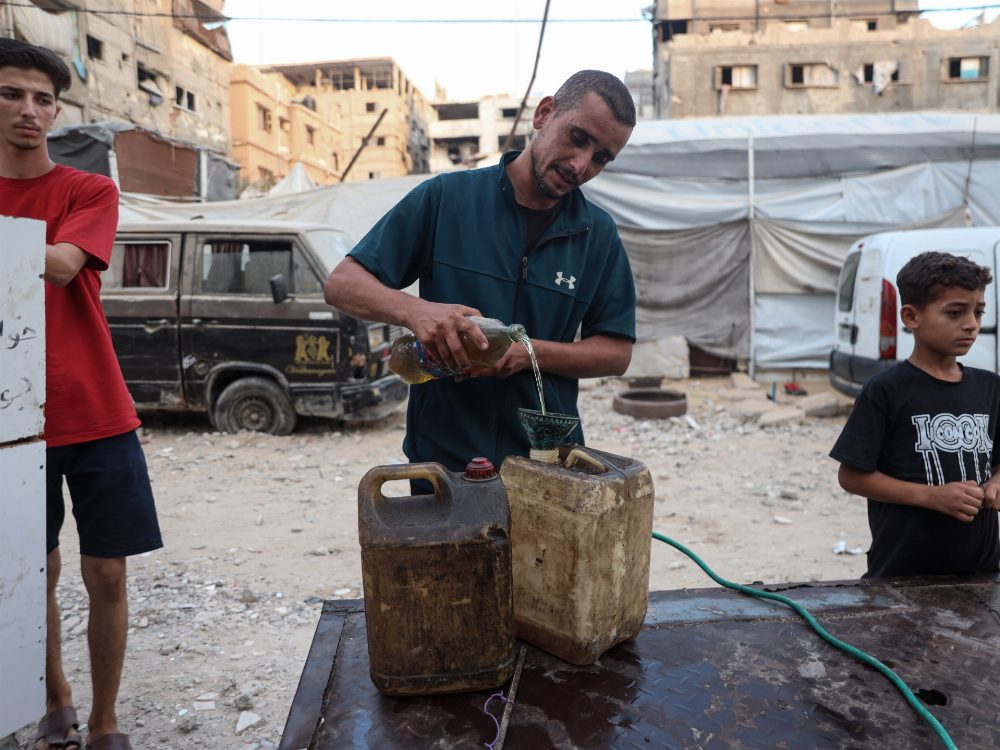
In the heart of Gaza City, the daily struggle for survival has taken a turn for the worse as families find themselves relying on rented generators to meet their most basic needs. Following a month-long assault by Israeli forces, many residents, like 79-year-old Hajj Rabhi al-Fairi, have returned to homes that are no longer equipped with functioning electricity or reliable water supply.
As families gather around the small generators, each one waits patiently with jerrycans in hand, ready to pay for a few minutes of access. Al-Fairi explains that his family needs to rent a generator just to operate their water pump, which has become essential for filling their rooftop tank. The cost of renting these generators has seen a steep increase, now reaching up to 120 shekels ($40) per hour, exacerbating the financial strain on families already grappling with the aftermath of conflict.
Essential Services Scarcity
The dire situation extends beyond water access. Many families are now forced to outsource household tasks that were once performed with ease. Abeer Ghorab, 52, recalls how she used to wash her clothes at home before the war made such activities nearly impossible. Now, she relies on a nearby laundry service, which, while providing some relief, adds further financial pressure to her already strained budget.
Similarly, Fadi Abu Shawarb, 23, operates a local laundry that has adapted to the ongoing crisis by reducing the size of their washing machines due to high electricity costs. With most of his clientele being displaced families lacking basic amenities, the laundry has become a lifeline, albeit an expensive one, as they navigate the challenges of daily life without essential services.
A Community Under Pressure
Khalil Abu Ouda, a local generator operator, epitomizes the resilience of Gazans amidst hardship. His mobile generator, essential for providing electricity to water pumps, is now a common sight in neighborhoods like Nassr. Despite the deteriorating condition of available generators and the scarcity of fuel, Abu Ouda works long hours to meet the heightened demand, acknowledging the pressure on both himself and the machine.
As the ongoing conflict continues to dismantle the infrastructure that once sustained daily life, Gaza's residents find themselves trapped in a cycle of dependency on rented services, struggling to reclaim the normalcy that has been irreparably altered.
Source: www.aljazeera.com