The iPhone X: A Revolutionary Shift in Smartphone Navigation
By Editor • September 14, 2026 • 1 min read
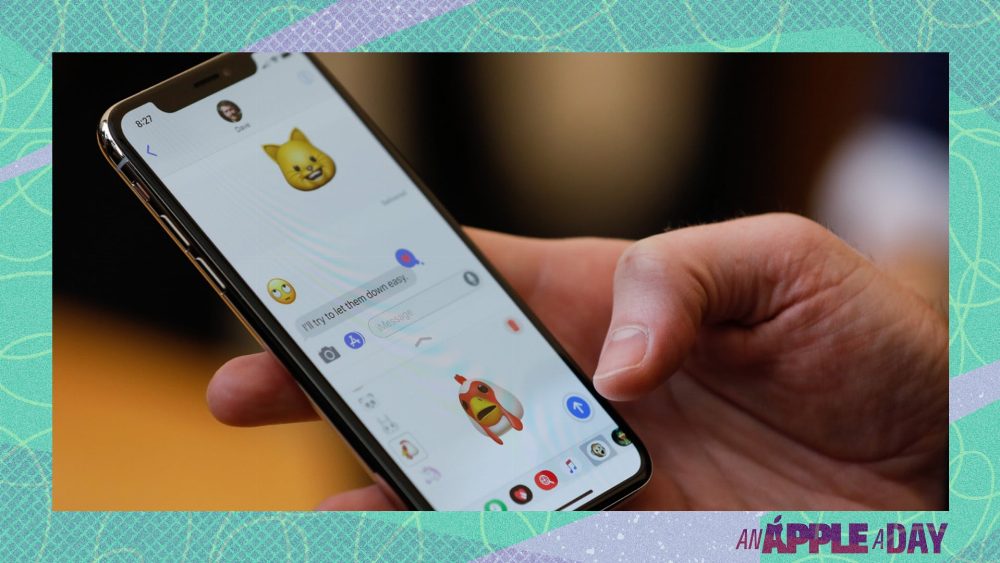
When Apple launched the iPhone X in 2017, it marked a pivotal moment in the evolution of smartphone technology, fundamentally altering how users interact with their devices. Gone was the familiar Home button that had been a staple for a decade, replaced by a sleek, edge-to-edge display that initially left many users feeling disoriented.
This significant redesign prompted a wave of adaptation as users had to relearn how to navigate their devices. Lifehacker responded to this confusion with a guide titled 'The iPhone X Gestures You Should Master,' which outlined the new swipe gestures necessary to operate the device. Users found themselves swiping up to return home, swiping along the bottom to switch apps, and accessing features like Control Center and Notification Center through new gestures.
Fast forward nearly a decade, and the transition away from the Home button seems seamless to most iOS users today. However, a glance at comments from that time reveals that the shift was anything but easy for many. Some users voiced frustration over the complexity of the new gesture system, especially when toggling between devices like the iPhone and iPad that had differing navigation methods.
While Apple continued to produce iPhones with Home buttons until the release of the iPhone 16e in 2025, the change was inevitable. The once-revolutionary Home button became a relic of the past, as even the iPad embraced the full-screen design. As we look ahead, it’s intriguing to ponder how future advancements in technology might further transform our interactions, potentially leading to a time when we no longer need to physically touch our devices at all.
Source: lifehacker.com